
Limnephilinae
Kolenati, 1848
northern caddisflies
Tribe Guides
3- Chilostigmini(northern caddisflies)
- Limnephilini(northern caddisflies)
- Stenophylacini(northern caddisflies)
Limnephilinae is a of northern caddisflies (Trichoptera) in the Limnephilidae, established by Kolenati in 1848. It contains at least 65 and approximately 600 described , making it one of the most species-rich subfamilies within the case-making caddisflies. The group is predominantly distributed in northern latitudes, with members inhabiting diverse freshwater environments. Taxonomic relationships within the subfamily remain under investigation, with some genera showing uncertain tribal affinities.
Pronunciation
How to pronounce Limnephilinae: /ˌlɪmnɪˈfaɪlɪniː/
These audio files are automatically generated. While they are not always 100% accurate, they are a good starting point.
Identification
Members of Limnephilinae can be distinguished from other limnephilid by combinations of genitalic characters and larval case construction features. The subfamily is characterized by the presence of four recognized tribes (Limnephilini, Chaetopterygini, Pseudostenophylacini, and Stenophylacini), though generic assignments to these tribes are not always resolved. Sphagnophylax, a recently described from northwestern North America, has been assigned as Limnephilinae incertae sedis due to conflicting character interpretations.
Images
Habitat
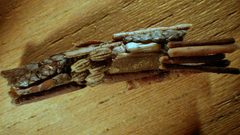
Larvae inhabit diverse freshwater environments including streams, rivers, ponds, and lakes. Some occupy temporary or ephemeral ; for example, Sphagnophylax meiops occurs in small, low-lying tundra basins where surface water persists briefly in spring before receding into saturated organic debris. Larvae construct portable cases using plant material, sand, or other available substrates.
Distribution
Predominantly northern distribution, with the centered in the Holarctic region. Documented from northwestern North America (Yukon, Northwest Territories), with broader occurrence across northern Eurasia and North America. The subfamily's "northern caddisflies" reflects this latitudinal concentration.
Ecological Role
Larvae function as and in freshwater , processing allochthonous plant material and contributing to nutrient cycling. Their case-building provides structural complexity in benthic environments. serve as food resources for aerial and aquatic .
Human Relevance
Larvae are important bioindicators of freshwater health. The group is frequently encountered in biomonitoring programs due to its diversity and abundance in northern temperate and waters. No direct economic importance to agriculture or forestry has been documented.
Similar Taxa
- Limnephilidae (other subfamilies)Distinguished by genitalic and larval case architecture; Limnephilinae represents the core radiation of the with the greatest
- ChaetopteryginaeFormerly treated as a separate or tribe; relationships with Limnephilinae remain subject to taxonomic revision based on morphological and molecular evidence
More Details
Taxonomic Uncertainty
The tribal classification within Limnephilinae is not fully resolved. The Sphagnophylax was described as Limnephilinae incertae sedis due to apomorphic characters that conflict with established tribal definitions, highlighting ongoing challenges in -level .
Research Significance
The includes numerous that remain undescribed, particularly in poorly surveyed northern regions. The high observation count on iNaturalist (56,915 records) indicates substantial public engagement and potential for citizen science contributions to distribution knowledge.