
Limnephilini
Kolenati, 1848
northern caddisflies
Genus Guides
10- Anabolia
- Asynarchus
- Clistoronia
- Grammotaulius
- Halesochila
- Hesperophylax
- Lenarchus
- Limnephilus(caddisfly)
- Nemotaulius(northern caddisfly)
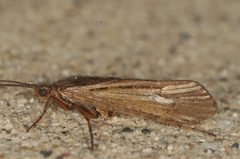
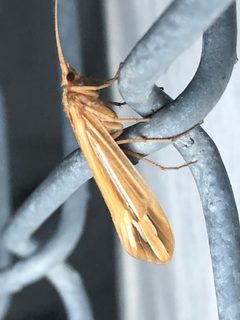
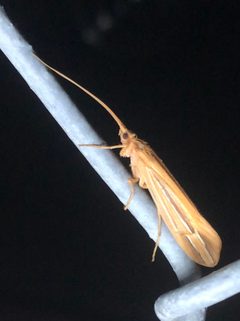
Limnephilini is a tribe of in the Limnephilidae, primarily distributed in northern regions. The tribe comprises approximately 19 and at least 300 described , with Limnephilus as its type genus. Members are case-building caddisflies whose larvae construct portable protective cases from plant material and detritus. The tribe was established by Kolenati in 1848.
Pronunciation
How to pronounce Limnephilini: //ˌlɪm.nɛˈfɪ.lɪ.naɪ//
These audio files are automatically generated. While they are not always 100% accurate, they are a good starting point.
Identification
Limnephilini can be distinguished from other Limnephilidae tribes by genitalic characteristics, particularly male clasper structure and phallic apparatus . generally have robust bodies with relatively broad wings. Larval cases are typically cylindrical and constructed from transverse rings of plant material, distinguishing them from the spiral or sand-grain cases of some related groups. -level identification requires examination of genitalia and often larval case architecture.
Images
Habitat
Larvae inhabit freshwater environments including ponds, lakes, marshes, and slow-moving streams. They are particularly associated with lentic (still water) and vegetated shorelines. are often found in riparian vegetation near larval habitats.
Distribution
Primarily Holarctic, with distribution centered in northern North America and Eurasia. The tribe's reflects this northern concentration, though some extend into temperate regions.
Seasonality
activity typically occurs from late spring through autumn, with peak varying by and latitude. Many species are autumn-emerging, with adults active during cooler months when most other caddisfly groups are inactive.
Diet
Larvae are primarily and herbivores, feeding on decaying plant material, , and fine organic detritus. Some have been observed to be opportunistic omnivores.
Life Cycle
Holometabolous development with , larva, pupa, and stages. Larval development spans several months to over a year depending on and environmental conditions. occurs within a sealed case, often attached to substrate or vegetation. Many species have or semivoltine .
Behavior
Larvae are case-dwellers that remain within their constructed cases, extending the and for feeding and locomotion. Cases are dragged along during movement and provide protection from and desiccation. are generally weak fliers and often found resting on vegetation during daylight hours.
Ecological Role
Larvae contribute to nutrient cycling in freshwater through processing of plant detritus. They serve as prey for fish, birds, and other aquatic . provides seasonal food resources for terrestrial including birds and bats.
Human Relevance
Larvae are important bioindicators of water quality in freshwater assessments. Some are used as model organisms in ecological and toxicological research. occasionally attract attention during mass events.
Similar Taxa
- Limnephilidae (other tribes)Other tribes within Limnephilidae (e.g., Nematini, Chaetopterygini) share -level characteristics but differ in genitalic , larval case construction, and often preferences.
- PhryganeidaeAnother of large with case-building larvae; distinguished by wing venation patterns and larval case materials, which often incorporate larger plant fragments arranged differently.