Hydatophylax hesperus
(Banks, 1914)
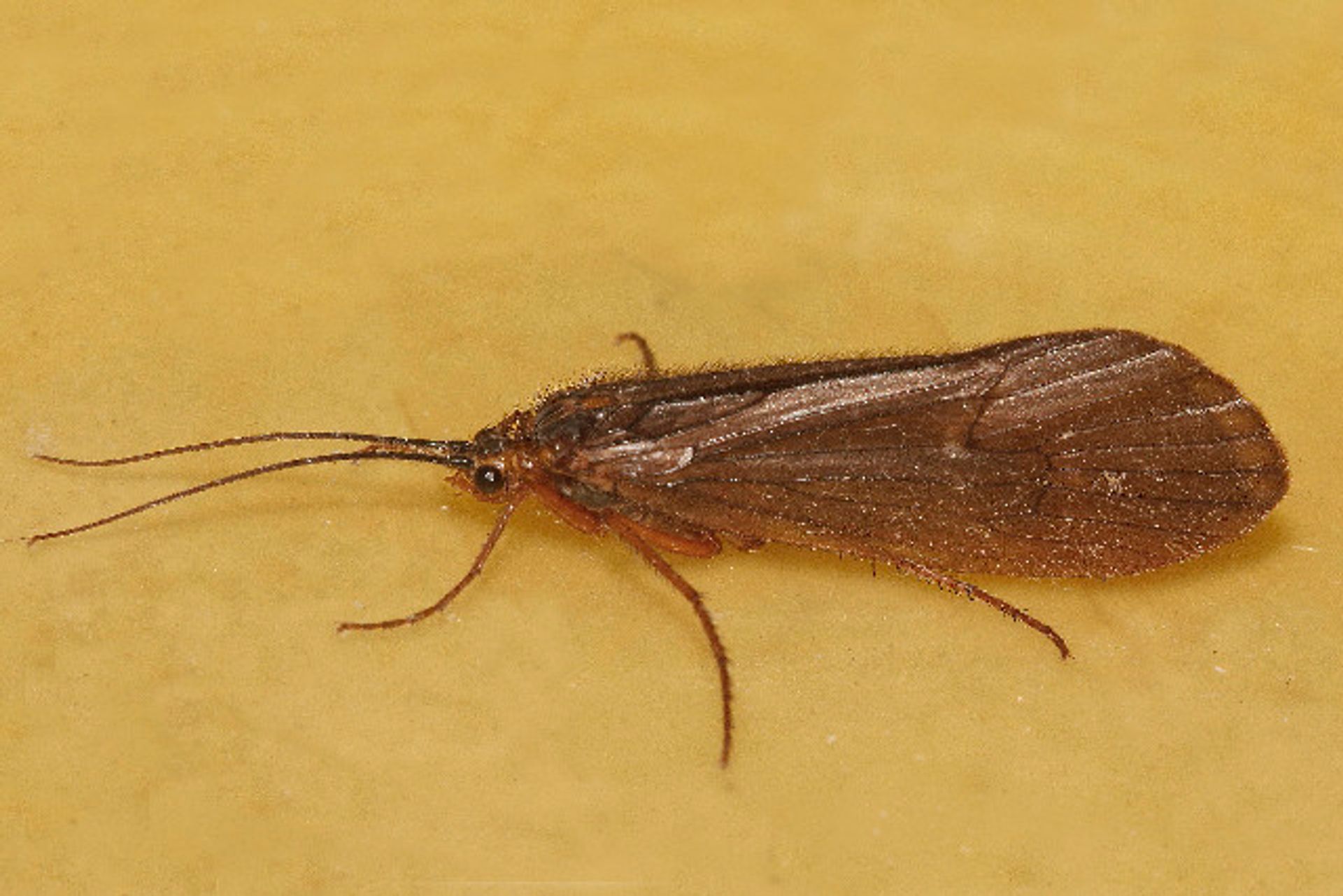
Hydatophylax hesperus is a of caddisfly in the Limnephilidae, first described by Banks in 1914. The species belongs to the order Trichoptera, an insect group characterized by aquatic larval stages and terrestrial . As a member of the Limnephilidae family, it is part of one of the most diverse families of caddisflies, commonly known as case-making caddisflies. Very little specific biological information is available for this particular species.
Pronunciation
How to pronounce Hydatophylax hesperus: /haɪˌdætəˈfaɪlæks ˈhɛspərəs/
These audio files are automatically generated. While they are not always 100% accurate, they are a good starting point.
Images
Distribution
North America; Nearctic region. Distribution records indicate presence in North America, though specific range details within this region are not well documented.
More Details
Taxonomic note
The specific epithet 'hesperus' is shared with several other unrelated insect , including the western black widow spider (Latrodectus hesperus) and the western tarnished plant bug (Lygus hesperus), but these belong to entirely different orders (Araneae and Hemiptera respectively). Hydatophylax hesperus is the only species in this with this epithet among the Trichoptera.
Data availability
This has minimal observation records in public databases (iNaturalist shows only 1 observation as of source date), suggesting it is either genuinely rare, under-collected, or difficult to identify in the field. The lack of Wikipedia summary and limited literature references indicate significant knowledge gaps regarding its .
Sources and further reading
- BugGuide
- GBIF taxonomy match
- iNaturalist taxon
- NCBI Taxonomy
- Catalogue of Life
- There's a Black Widow Spider in the Parade! | Bug Squad
- And Then There Were Three: New Termite Species Identified in California
- Researchers Share New Method for Detecting Insect Egg Predators
- Western U.S. Has More Subterranean Termite Species Than Previously Thought, Study Shows
- From Burglars to Bugs: Anti-Theft Dye Useful in Insect-Tracking Studies
- Male Black Widow Spiders Destroy Females' Webs to Deter Rivals