Pardalophora haldemanii
(Scudder, 1872)
Haldeman's Grasshopper, Haldeman's Locust
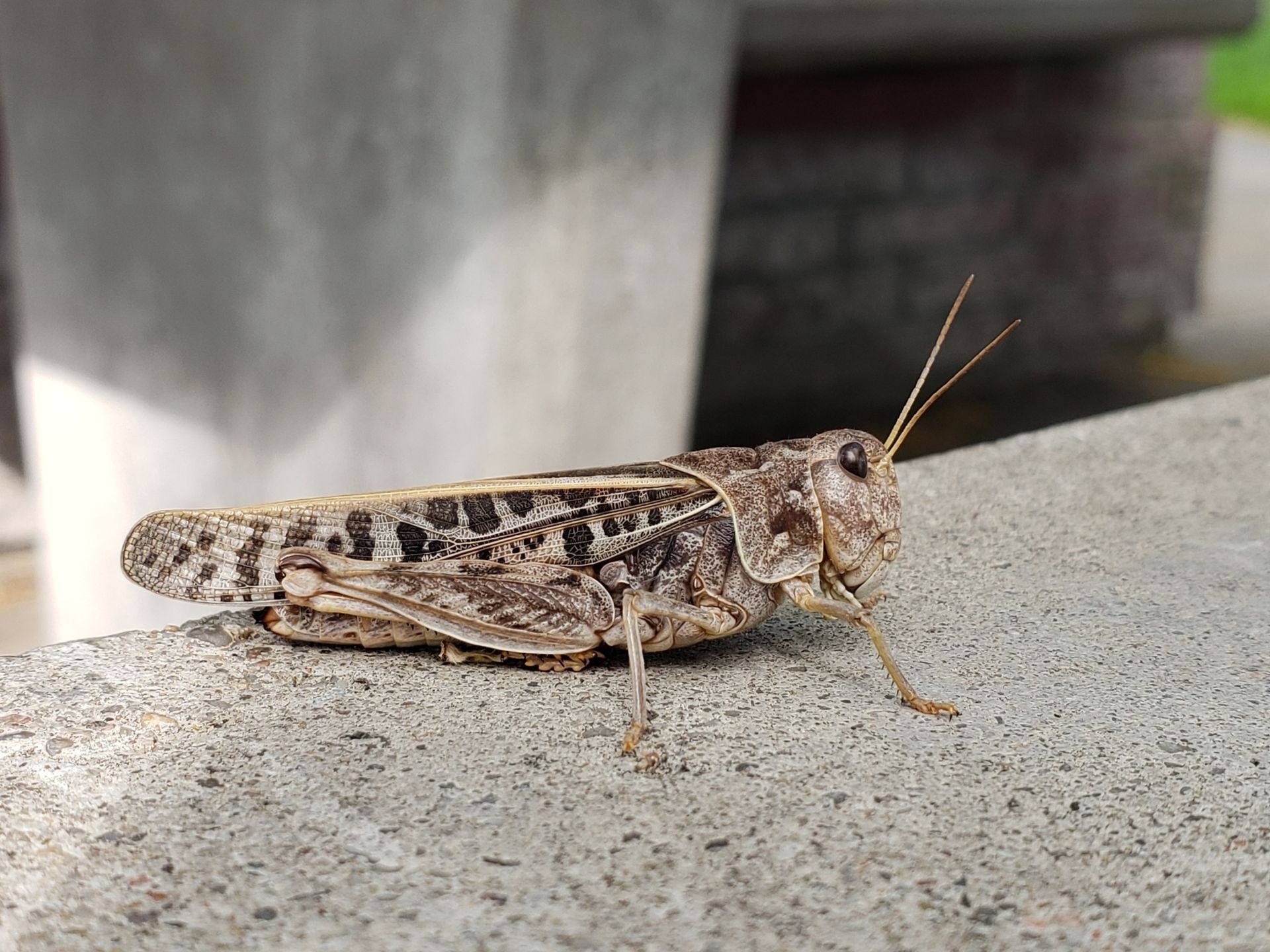
Pardalophora haldemanii is a band-winged grasshopper in the Acrididae, occurring in North America. It is classified in the Oedipodinae and tribe Hippiscini. The overwinters as nymphs rather than , leading to early-season compared to many other grasshoppers. Adults are known to flash brightly colored hindwings during .
Pronunciation
How to pronounce Pardalophora haldemanii: /ˌpɑːr.dəˈlɒ.fə.rə ˌhæɫ.dɪˈmæni.aɪ/
These audio files are automatically generated. While they are not always 100% accurate, they are a good starting point.
Identification
Members of the Pardalophora are distinguished from similar band-winged grasshoppers such as Xanthippus by having only one notch in the pronotal crest. Nymphs exhibit cryptic coloration with considerable intraspecific variation, often rendering them nearly invisible against substrates until they move.
Images
Distribution
North America. Documented distribution records include Colorado, Illinois, and Nebraska.
Seasonality
Early spring nymphs and present. The overwinters in the nymphal stage rather than as , resulting in well-developed nymphs at the beginning of spring and earlier adult than many other species. Adults may be present by late April to early May in some regions.
Life Cycle
Overwinters as nymphs (not ). Nymphs develop through spring and reach adulthood earlier than egg- . This nymphal overwintering strategy is unusual among most grasshoppers.
Behavior
produce sounds by snapping hindwings in . Visual signaling includes flashing of brightly colored hindwings. Nymphs rely on for avoidance, remaining motionless against substrates.
Similar Taxa
- Xanthippus spp.Similar band-winged grasshoppers, but distinguished by having two notches in the pronotal crest versus one in Pardalophora.
- Pardalophora apiculataCongeneric with similar nymphal strategy and early-season .
- Pardalophora phoenicopteraCongeneric sharing nymphal trait and cryptic nymphal coloration with intraspecific variation.
More Details
Nymphal Overwintering
The belongs to a minority of grasshoppers that overwinter as nymphs rather than . This trait is shared with other Pardalophora species and some Xanthippus species, as well as Arphia conspersa, Chortophaga viridifasciata, Eritettix simplex, Psoloessa spp., and Trachyrhachys coronata. This strategy results in earlier but may expose nymphs to greater winter mortality risks.