
Pardalophora phoenicoptera
(Burmeister, 1838)
orange-winged grasshopper
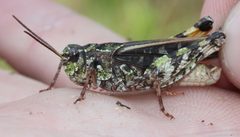
Pardalophora phoenicoptera, commonly known as the orange-winged , is a of band-winged grasshopper in the Acrididae. It is distinguished from related by having only one notch in the pronotal crest. Unusual among most grasshoppers, this species overwinters as a nymph rather than as an , resulting in well-developed nymphs at the beginning of spring and appearing earlier in the season than many other grasshoppers. The species exhibits remarkable intraspecific variation in coloration, with individuals ranging from green to brown, providing effective in their preferred .
Pronunciation
How to pronounce Pardalophora phoenicoptera: /ˌpɑr.dəˈloʊ.fə.rə ˌfɪː.nɪˈkɒp.tə.rə/
These audio files are automatically generated. While they are not always 100% accurate, they are a good starting point.
Identification
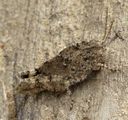
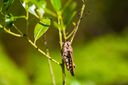
Distinguished from the similar Xanthippus by having only one notch in the pronotal crest (Xanthippus has two). display highly variable coloration including green, brown, and reddish forms, with orange or yellow hindwings visible in . Nymphs are exceptionally cryptic, blending nearly invisibly with their surroundings until they move. The combination of early-season adult activity and nymphal stage separates this temporally from many co-occurring grasshoppers.
Images
Habitat
Rocky or gravelly hilltops, including cedar glades in the Ozark region; gravelly or stable sandy slopes in sunny openings. Also found in disturbed areas such as sand flats composed of crushed limestone tailings from former mining operations.
Distribution
North America. Documented from Missouri, Oklahoma, Georgia, South Carolina, and Texas. Occurs in the Ozark Highlands and Great Plains regions, with eastern extent in the Mississippi River valley area.
Seasonality
appear earlier in the season than most other grasshoppers due to as nymphs. Nymphs observed in late April in Missouri, with adults active spring through summer.
Life Cycle
Overwinters as nymph rather than , an unusual trait among grasshoppers. This leads to well-developed nymphs at the beginning of spring. Nymphs progress through approximately 5 instars (possibly 6 in some ). Wing pad development in nymphs can indicate instar stage—4th instar nymphs observed in late April with wing pads suggesting incomplete development. emerge earlier in the season than many sympatric .
Behavior
Nymphs are exceptionally cryptic, remaining nearly invisible until movement reveals their presence. display brightly colored hindwings (orange or yellow) in , contrasting with their cryptic forewings and body coloration when at rest.
Similar Taxa
- XanthippusShares similar body plan and band-winged grasshopper , but distinguished by having two notches in the pronotal crest versus one in Pardalophora.
- Trimerotropis saxatilisBoth are green oedipodine grasshoppers with exceptional ; however, T. saxatilis is restricted to lichen-encrusted rock outcrops and exhibits more consistent green coloration with distinctive speckled patterning.
Sources and further reading
- BugGuide
- Wikipedia
- GBIF taxonomy match
- iNaturalist taxon
- NCBI Taxonomy
- Catalogue of Life
- Grasshoppers of Colorado
- Pardalophora phoenicoptera – Orange-winged grasshopper | Beetles In The Bush
- Acrididae | Beetles In The Bush | Page 3
- June | 2011 | Beetles In The Bush | Page 2
- Archives | Beetles In The Bush
- crypsis | Beetles In The Bush | Page 3