
Micromus borealis
Klimaszewski & Kevan, 1988
Northern Brown Lacewing
Micromus borealis is a of brown lacewing in the Hemerobiidae, described by Klimaszewski & Kevan in 1988. It is native to North America. As a member of the brown lacewings, it is a predatory insect in both and larval stages. The species is distinguished from other Micromus species by specific morphological characteristics of its wing venation and body structure.
Pronunciation
How to pronounce Micromus borealis: /ˈmaɪ.kroʊ.məs bɔːˈriː.əlɪs/
These audio files are automatically generated. While they are not always 100% accurate, they are a good starting point.
Identification
Micromus borealis can be distinguished from other Micromus by examination of wing venation patterns and male genitalia. Accurate identification to species level requires microscopic examination of these structures. It differs from green lacewings (Chrysopidae) by its brown coloration and from other brown lacewing by specific wing venation characteristics. The species was described in 1988, making it a relatively recently recognized within the Hemerobiidae.
Images
Appearance
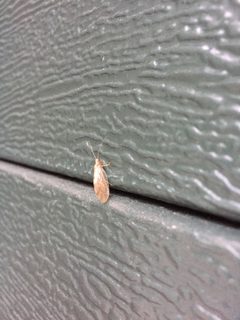
Micromus borealis is a small to medium-sized with the characteristic delicate, net-veined wings typical of Neuroptera. As a brown lacewing (Hemerobiidae), it has brownish or tan coloration rather than the bright green of green lacewings (Chrysopidae). The wings are held roof-like over the body when at rest. Specific diagnostic features include details of wing venation and genitalia that distinguish it from .
Habitat
Specific preferences for Micromus borealis are not well documented in the available literature. As a brown lacewing, it likely occurs in wooded or shrubby habitats where prey (small insects such as aphids) are abundant.
Distribution
North America. The is recorded as present on the continent based on GBIF distribution records.
Seasonality
As an , activity likely occurs during warmer months, but specific seasonal patterns for this are not documented in available sources.
Diet
Predatory on small soft-bodied insects. As a member of Hemerobiidae, both larvae and are predatory, feeding primarily on aphids, scale insects, and other small arthropods.
Life Cycle
Complete with , larval, pupal, and stages. Specific details of the for Micromus borealis are not documented in available literature. As with other Hemerobiidae, larvae are predatory and develop through several instars before pupating.
Behavior
are likely or , as is common in brown lacewings. They have been recorded at blacklight traps, indicating attraction to ultraviolet light sources. Both adults and larvae are active .
Ecological Role
of small soft-bodied insects, particularly aphids. Contributes to natural of pest in its .
Human Relevance
Contributes to natural pest control as a of aphids and other small insects. No documented negative impacts or direct economic significance.
Similar Taxa
- Micromus posticusAnother North American Micromus ; distinguished by wing venation and genitalia characteristics
- Chrysoperla speciesGreen lacewings are superficially similar but distinguished by bright green coloration and different (Chrysopidae)
- Hemerobius speciesOther brown lacewings in the same ; distinguished by wing venation and body proportions
More Details
Taxonomic History
Described by Klimaszewski & Kevan in 1988, making it a relatively recently recognized within the Micromus
Research Status
The is poorly known compared to some other species, with limited published biological or ecological studies available
Sources and further reading
- BugGuide
- GBIF taxonomy match
- iNaturalist taxon
- NCBI Taxonomy
- Catalogue of Life
- Bugs for All, All for Bugs | Bug Squad
- Grasshoppers of Wyoming and the West
- Grasshoppers of Colorado
- Bug Eric: Blacklighting Already?
- Zombie bees, Apis mellifera, and their tormentor the humpbacked fly, Apocephalus borealis — Bug of the Week
- Did One Praying Mantis Give Rise to an All-Female Species?