Eremochrysa hageni
Banks, 1903
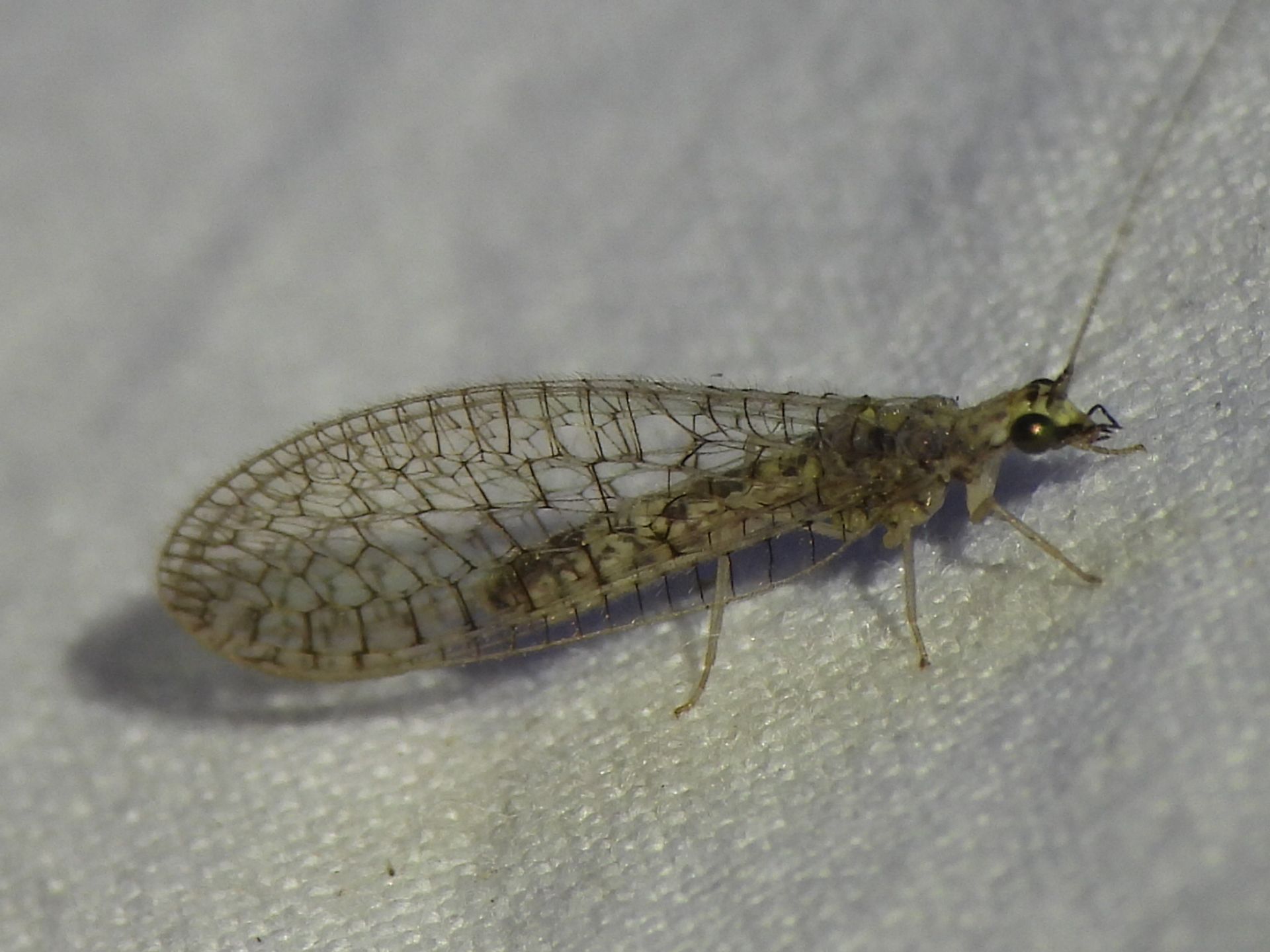
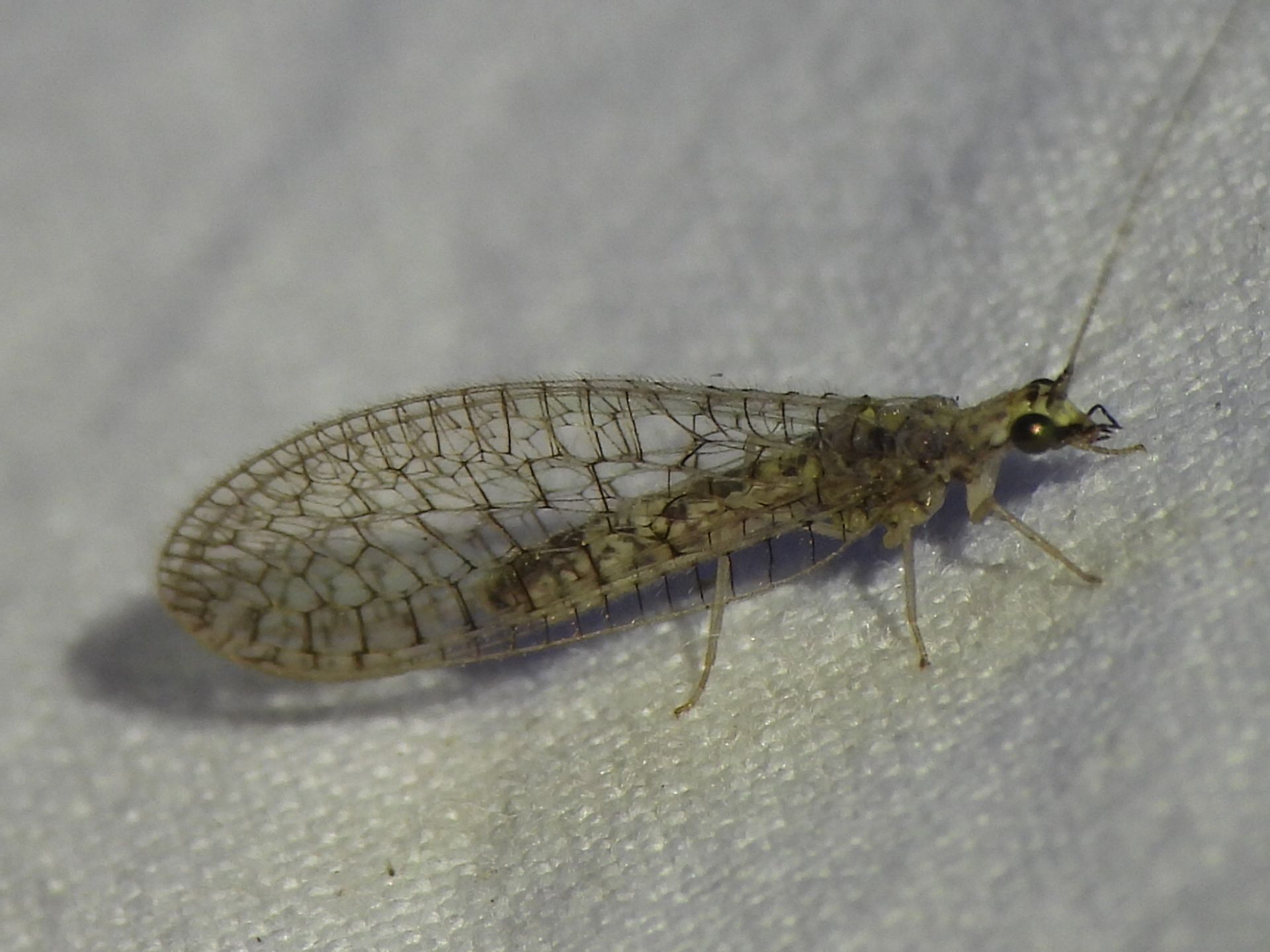
Eremochrysa hageni is a of green lacewing in the Chrysopidae, described by Banks in 1903. The Eremochrysa is to North America and comprises approximately 13 recognized species. This belongs to an order of predatory insects characterized by delicate, net-veined wings and aquatic or semi-aquatic larval stages in many families. Green lacewings are valued in due to the predatory habits of their larvae on agricultural pests.
Pronunciation
How to pronounce Eremochrysa hageni: //ɛˌriːmoʊˈkɹaɪsə ˈhɑːd͡ʒəˌni//
These audio files are automatically generated. While they are not always 100% accurate, they are a good starting point.
Identification
Members of the Eremochrysa can be distinguished from other North American chrysopids by genitalic characters, particularly the structure of the male ectoprocts and gonarcus. -level identification within Eremochrysa requires examination of these structures. E. hageni may be distinguished from by specific arrangements of setae and patterns on the terminal abdominal segments, though definitive identification typically requires reference to original species descriptions and revisionary works.
Images
Habitat
of Eremochrysa are associated with grassland, prairie, and open woodland in North America. The shows particular affinity for arid and semi-arid regions, including shortgrass prairie and sagebrush steppe . are often found in vegetation near the ground or in low shrubs.
Distribution
Eremochrysa hageni is recorded from North America. The Eremochrysa is to North America with distributed primarily in the western and central United States and adjacent regions of Canada and Mexico. Specific state and provincial records for E. hageni require verification from primary literature.
Diet
Larvae of Chrysopidae are of soft-bodied arthropods including aphids, mites, and small caterpillars. The specific prey of E. hageni larvae has not been documented. of most chrysopid feed on nectar, honeydew, and pollen; adult feeding habits of E. hageni are unrecorded.
Life Cycle
As with other Chrysopidae, E. hageni presumably undergoes complete with , larval, pupal, and stages. Eggs are typically laid on stalks. Larvae are active that carry debris on their backs as camouflage. occurs in silken cocoons. Specific details of development time, voltinism, and stage for E. hageni are not documented.
Behavior
Larvae of Eremochrysa exhibit the debris-carrying characteristic of many chrysopids, covering themselves with lichen fragments, soil particles, or prey remains for camouflage while hunting. behavior of E. hageni is poorly known. Adults of related species are primarily or .
Ecological Role
As a predatory , E. hageni likely contributes to regulation of herbivorous in its native . The debris-carrying larvae function as ambush in vegetation. The is part of the diverse chrysopid fauna that provides services in grassland and shrubland ecosystems.
Human Relevance
Eremochrysa are not commercially utilized in to the same extent as the more common green lacewing Chrysoperla carnea, due to their more restricted geographic ranges and specificities. The has been subject to taxonomic study to clarify species boundaries and distributions.
Similar Taxa
- Eremochrysa punctinervisOccurs in similar grassland of the south-central United States; distinguished by differences in wing venation and male genitalic structure.
- Chrysoperla carneaA widespread green lacewing with similar general appearance, but belongs to a different with distinct wing venation and genitalic characters; Eremochrysa is to North America while Chrysoperla has broader distribution.
More Details
Taxonomic history
The Eremochrysa was established by Adams & Penny in 1987 to accommodate a group of North American chrysopids previously placed in Chrysopa and other genera. The genus name refers to the desert and arid associations of many (from Greek eremos, solitary or desert, and chrysa, golden). The specific epithet hageni honors Hermann August Hagen (1817-1893), a prominent German-American entomologist who made significant contributions to odonate and neuropteran .
Research needs
Basic biological information for E. hageni remains undocumented, including precise geographic range, associations, seasonal activity, and prey records. The would benefit from focused field study and integration into phylogenetic analyses of the .
Sources and further reading
- BugGuide
- GBIF taxonomy match
- iNaturalist taxon
- NCBI Taxonomy
- Catalogue of Life
- Don't Miss the Dragonfly Open House Nov. 6 at Bohart Museum of Entomology | Bug Squad
- Dragonfly Enthusiasts, Unite! Open House Set Nov. 6 at Bohart Museum | Bug Squad
- Bohart Museum Open House: Dragonflies Rule! | Bug Squad
- “Blue-sky” tips and tricks | Beetles In The Bush
- When pearly-eye meets dragonfly: Northern pearly-eye, Enodia anthedon, and clubtail dragonflies, Gomphidae spp. — Bug of the Week
- New Method Makes for Faster Genetic ID of Eastern U.S. Termites