
Pandemis lamprosana
(Robinson, 1869)
Woodgrain Leafroller Moth
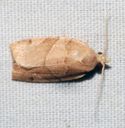
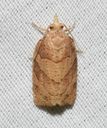
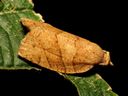
Pandemis lamprosana, known as the woodgrain leafroller , is a tortricid moth native to northeastern North America. are active in late summer with a single . The is recognized by its forewing pattern and moderate size. Larvae are leaf feeders on numerous deciduous tree species.
Pronunciation
How to pronounce Pandemis lamprosana: /pænˈdiːmɪs læmˈprəʊsænə/
These audio files are automatically generated. While they are not always 100% accurate, they are a good starting point.
Identification
The woodgrain pattern on the forewings provides the and a key visual cue. Forewing measurements differ from some ; Pandemis limitata (three-lined leafroller) shows different banding patterns. Genitalia examination may be required for definitive separation from similar Pandemis .
Images
Habitat
Associated with deciduous forest and woodland edges where trees occur. Larval development occurs on foliage of and understory trees.
Distribution
Northeastern United States, Quebec, and Ontario. Records include Vermont and adjacent regions.
Seasonality
active late June through July. One per year (). Larval feeding period precedes adult ; specific timing not documented.
Diet
Larvae feed on leaves of multiple deciduous tree : Acer rubrum, Acer saccharinum, Acer spicatum, Betula alleghaniensis, Betula papyrifera, Ostrya virginiana, Gleditsia triacanthos, Fagus species, Quercus species (including Q. rubra), Hamamelis species, Sassafras species, Fraxinus species (including F. americana), Platanus species, Prunus virginiana, Populus tremuloides, Tilia americana, Ulmus americana, and Ulmus rubra. feeding habits unknown.
Host Associations
- Acer rubrum - larval food plantfoliage
- Acer saccharinum - larval food plantfoliage
- Acer spicatum - larval food plantfoliage
- Betula alleghaniensis - larval food plantfoliage
- Betula papyrifera - larval food plantfoliage
- Ostrya virginiana - larval food plantfoliage
- Gleditsia triacanthos - larval food plantfoliage
- Fagus - larval food plantfoliage; unspecified
- Quercus - larval food plantfoliage; including Q. rubra
- Hamamelis - larval food plantfoliage; unspecified
- Sassafras - larval food plantfoliage; unspecified
- Fraxinus - larval food plantfoliage; including F. americana
- Platanus - larval food plantfoliage; unspecified
- Prunus virginiana - larval food plantfoliage
- Populus tremuloides - larval food plantfoliage
- Tilia americana - larval food plantfoliage
- Ulmus americana - larval food plantfoliage
- Ulmus rubra - larval food plantfoliage
Life Cycle
likely laid on foliage; specific oviposition sites undocumented. Larvae feed externally on leaves, reaching 20 mm at maturity. site not specified in available sources. emerge in late June to July.
Behavior
Larvae are external leaf feeders, rolling or tying leaves as shelter—typical of Tortricidae, though specific shelter-building for this is not independently documented. are and attracted to light.
Ecological Role
Larval herbivore on deciduous trees; contributes to leaf damage in forest . Not documented as a significant pest . Role in as prey for birds, , and other inferred from -level patterns but not specifically recorded.
Human Relevance
Minor forest insect; not considered economically important. May be encountered in biodiversity surveys and monitoring programs. references the forewing pattern rather than wood product damage.
Similar Taxa
- Pandemis limitataThree-lined leafroller with similar size and range; distinguished by forewing pattern with three distinct transverse lines versus woodgrain mottling of P. lamprosana
- Pandemis cerasanaEuropean introduced to North America; overlaps in use but differs in forewing markings and typically shows two annually in southern range
More Details
Nomenclature
Originally described as Tortrix lamprosana by Robinson in 1869. Transferred to Pandemis. Basionym preserved in synonymy.
Research Status
Well-represented in citizen science platforms with over 2,700 iNaturalist observations, suggesting it is frequently encountered and reliably identifiable by photographers. Detailed studies appear limited in primary literature.