Choristoneura lambertiana
(Busck, 1915)
sugar pine tortrix, sugar pine tortrix moth
Choristoneura lambertiana, commonly known as the sugar pine tortrix, is a tortricid native to western North America. The exhibits pronounced -specific variation across its range, with three recognized each associated with different pine hosts: C. l. lambertiana on sugar pine (Pinus lambertiana), C. l. ponderosana on ponderosa pine (P. ponderosa) and limber pine (P. flexilis), and C. l. subretiniana on lodgepole pine (P. contorta) and Jeffrey pine (P. jeffreyi). have been documented as defoliators of lodgepole pine in Idaho and Montana during the mid-to-late 1960s.
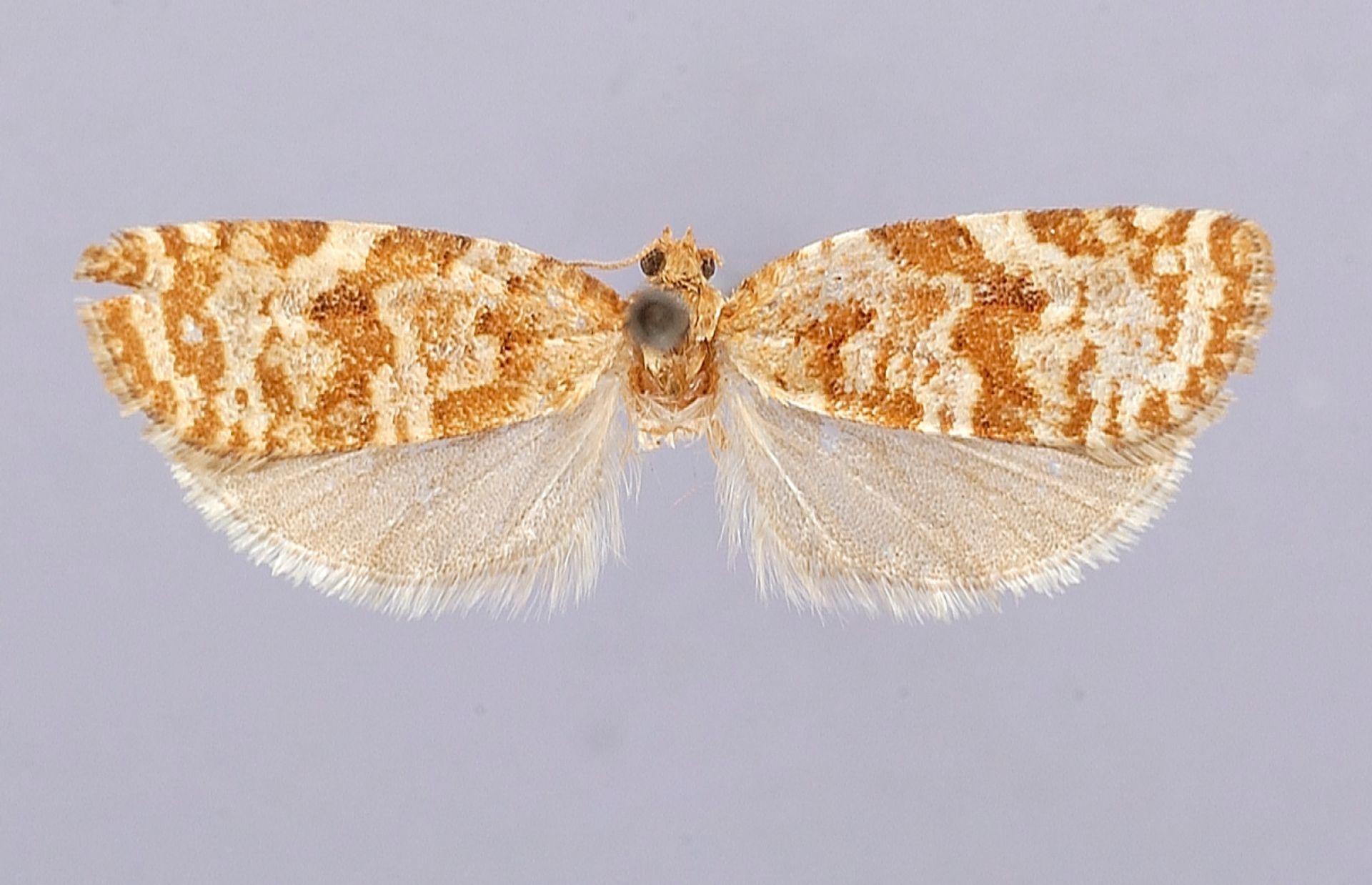

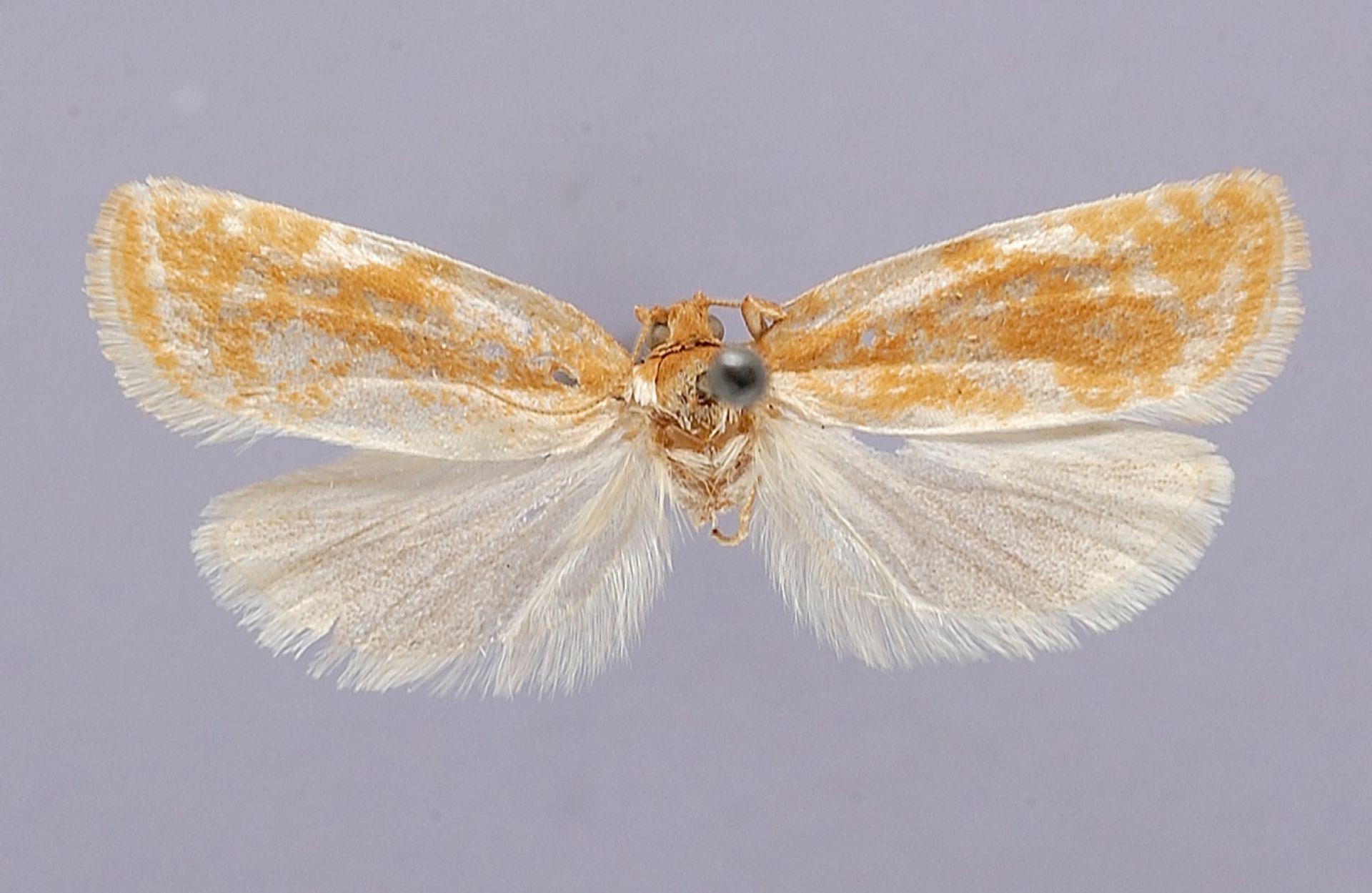
Pronunciation
How to pronounce Choristoneura lambertiana: /kɔˌɹɪstoʊˈnʊərə læmˌbɜrtiˈænə/
These audio files are automatically generated. While they are not always 100% accurate, they are a good starting point.
Identification
are small tortricid moths (18–23 mm wingspan) that require close examination for definitive identification. The is most reliably distinguished from similar Choristoneura by plant association and geographic provenance: C. lambertiana occurs in western North America, whereas the spruce budworm complex (C. fumiferana, C. occidentalis, C. biennis) occurs in and montane forests of Canada and the northern United States. Within its range, identification requires knowledge of host plant: C. l. lambertiana on sugar pine in the Pacific Northwest, C. l. ponderosana on ponderosa pine in the Rocky Mountains, and C. l. subretiniana on lodgepole pine in California and Oregon. Genetic studies indicate C. lambertiana is relatively distinct from the spruce budworm species group, though intraspecific genetic variation can approach interspecific levels.
Images
Appearance
have a wingspan of 18–23 mm. The exhibits morphological variation across and geographic range, though specific coloration and pattern details are not well-documented in available sources. Larvae are tortricid-type caterpillars with five or six larval instars depending on subspecies; early instars construct silken for .
Habitat
Coniferous forests dominated by pine . Larval microhabitat includes bark cracks, under bark scales, and other protected locations on host trees where first-instar larvae construct . C. l. subretiniana larvae are found on branches, cones, and needles of lodgepole pine, with feeding concentrated on staminate flowers and cones.
Distribution
Western North America. The nominate C. l. lambertiana occurs in the Pacific Northwest (Oregon, possibly Idaho, Montana, Wyoming, and British Columbia and Alberta in Canada, though some records are uncertain). C. l. ponderosana is found in the Rocky Mountains of Colorado, Wyoming, South Dakota, and Montana. C. l. subretiniana occurs in California and Oregon.
Seasonality
(one per year). emerge from mid-July through early August, with some extending to late August. Oviposition occurs within days of adult . Larvae overwinter in and emerge in late May to June (or April for C. l. subretiniana), completing development in 4–6 weeks. occurs in July.
Diet
Larval feeding varies by : C. l. lambertiana larvae feed on current season's needles of sugar pine (Pinus lambertiana). C. l. ponderosana feeds on new foliage of ponderosa pine (Pinus ponderosa), limber pine (Pinus flexilis), and has been recorded feeding on ponderosa pine dwarf mistletoe (Arceuthobium vaginatum subsp. cryptopodum). C. l. subretiniana feeds primarily on staminate flowers and cones of lodgepole pine (Pinus contorta), with some needle- and tip-mining ; ponderosa pine is also recorded as a .
Host Associations
- Pinus lambertiana - primary sugar pine; of nominate C. l. lambertiana
- Pinus ponderosa - primary ponderosa pine; of C. l. ponderosana and recorded for C. l. subretiniana
- Pinus flexilis - limber pine; of C. l. ponderosana in Montana
- Pinus contorta - primary lodgepole pine; of C. l. subretiniana, site of defoliation in Idaho and Montana
- Pinus jeffreyi - Jeffrey pine; of C. l. subretiniana
- Arceuthobium vaginatum subsp. cryptopodum - ponderosa pine dwarf mistletoe; utilized as food plant by C. l. ponderosana in Colorado
Life Cycle
cycle. deposited in late July to early August. First-instar larvae spin silken and overwinter in protected locations on trees (bark cracks, under bark scales). Larvae emerge in spring (April to June depending on and elevation), complete development in 4–6 weeks through five or six instars, and pupate in July in or near the feeding area. emerge mid-July to August. No egg ; larval is the primary stage.
Behavior
First-instar larvae exhibit site-selection , migrating from sites on needles to protected branch locations where they construct silken for . Larvae of C. l. subretiniana show feeding plasticity, primarily consuming staminate flowers and cones but occasionally mining needles and shoot tips. can cause heavy defoliation of current season's needles. occurs without from the feeding site.
Ecological Role
Herbivore and periodic defoliator of western North American pine forests. During conditions, can substantially reduce current-year foliage of pines. Serves as host for at least 16 of (Hymenoptera and Diptera) and at least one predatory species. Potential impact on pine cone production through consumption of staminate flowers and cones by C. l. subretiniana.
Human Relevance
Forestry pest of localized significance. Historical in Idaho, Montana, and Wyoming caused notable defoliation of lodgepole and ponderosa pine during the 1960s. Not as economically significant as the eastern spruce budworm (C. fumiferana) or western spruce budworm (C. occidentalis). -level identification is important for management due to -specificity.
Similar Taxa
- Choristoneura fumiferanaSpruce budworm; eastern North American that feeds primarily on spruce and fir, not pines; genetically most distant from C. lambertiana among studied Choristoneura
- Choristoneura occidentalisWestern spruce budworm; occurs in western North America but feeds on Douglas-fir, true firs, and spruce; genetically closely related to C. biennis and C. retiniana, relatively distinct from C. lambertiana
- Choristoneura biennisTwo-year cycle budworm; and primarily fir-feeding; genetically close to C. occidentalis and C. retiniana
- Choristoneura retinianaPreviously C. viridis; associated with pine in Oregon; genetically similar to C. occidentalis and C. biennis
- Choristoneura conflictanaLarge aspen tortrix; feeds on aspen, poplar, willow, and alder rather than conifers; leaf-rolling in later instars
More Details
Subspecies taxonomy
The three recognized (C. l. lambertiana, C. l. ponderosana, C. l. subretiniana) were described by Obraztsov in 1962 and are distinguished primarily by association and geographic range rather than pronounced morphological differences. Genetic studies indicate that intraspecific variation within C. lambertiana can approach levels seen between in the , suggesting ongoing divergence or historical .
Outbreak dynamics
Documented of C. lambertiana on lodgepole pine in southeastern Idaho (1965–1966) and western Montana (1967–1968) represent the primary recorded instances of irruption. The factors triggering outbreak development versus persistence are not well-studied compared to better-known Choristoneura pest .
Sources and further reading
- BugGuide
- Wikipedia
- GBIF taxonomy match
- iNaturalist taxon
- NCBI Taxonomy
- Catalogue of Life
- Bug Eric: My Personal National Moth Week, 2017
- This Artificial Diet May Make Insect Rearing Easier
- Researchers Propose Standardized Naming of Lab-Reared Insect Stocks
- Bug Eric: September 2017
- Catch a Glimpse of Caterpillars During National Moth Week
- Pinaceae | Beetles In The Bush | Page 2
- Life History of Choristoneura lambertiana subretiniana Obraztsov (Lepidoptera: Tortricidae) Attacking Lodgepole Pine
- NOTES ON A PINE-FEEDING BUDWORM, CHORISTONEURA LAMBERTIANA PONDEROSANA (LEPIDOPTERA: TORTRICIDAE), IN THE COLORADO ROCKIES
- BIOLOGICAL OBSERVATIONS ON THE LIFE HISTORY AND HABITS OF CHORISTONEURA LAMBERTIANA (LEPIDOPTERA: TORTRICIDAE) ON LODGEPOLE PINE IN SOUTHEASTERN IDAHO AND WESTERN MONTANA
- GENETIC RELATIONSHIPS AMONG REPRESENTATIVE POPULATIONS OF FIVE CHORISTONEURA SPECIES: C. OCCIDENTALIS, C. RETINIANA, C. BIENNIS, C. LAMBERTIANA, AND C. FUMIFERANA (LEPIDOPTERA: TORTRICIDAE)