
Archips negundana
(Dyar, 1902)
Larger Boxelder Leafroller Moth
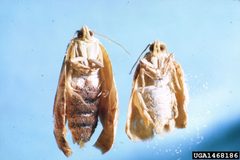
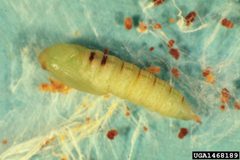
Archips negundana, the larger boxelder leafroller , is a small tortricid moth native to North America. are active in July and have a wingspan of 18–21 mm. The was first described by Harrison Gray Dyar Jr. in 1902. Larvae are known to feed on boxelder (Acer negundo), nettle (Urtica), and honeysuckle (Lonicera), rolling leaves for shelter.
Pronunciation
How to pronounce Archips negundana: //ˈɑrkɪps ˌnɛˌɡʌnˈdɑnə//
These audio files are automatically generated. While they are not always 100% accurate, they are a good starting point.
Identification
Small tortricid with wingspan 18–21 mm. Distinguished from similar Archips by association with plants Acer negundo, Urtica, and Lonicera, and by geographic range. active in July. Specific diagnostic features for separation from not detailed in available sources.
Images
Habitat
Associated with plants including boxelder (Acer negundo), nettle (Urtica), and honeysuckle (Lonicera). Specific preferences beyond host plant association not documented.
Distribution
North America: southern British Columbia to southern Quebec, south to California and Florida. Distribution records include Alberta, Manitoba, and Saskatchewan in Canada.
Seasonality
on wing in July. Larval stage timing not specified in sources.
Diet
Larvae feed on leaves of Acer negundo (boxelder), Urtica (nettle), and Lonicera (honeysuckle). feeding habits not documented.
Host Associations
- Acer negundo - larval boxelder
- Urtica - larval nettle
- Lonicera - larval honeysuckle
Life Cycle
Complete with , larva, pupa, and stages. Larvae construct leaf rolls using silk. Specific details on number of per year, stage, and site not documented in sources.
Behavior
Larvae exhibit leaf-rolling , binding leaves with silk to create sheltered feeding chambers. When threatened, caterpillars may eject from leaf rolls using a silken line to climb back, a behavior exploited by predatory .
Ecological Role
Herbivore feeding on deciduous plants. Larvae serve as prey for solitary , including mason wasps (Ancistrocerus unifasciatus), which paralyze caterpillars to provision nests.
Human Relevance
Minor potential as pest of ornamental honeysuckle and boxelder. No significant economic impact documented. Subject of misidentification concerns in regional faunistic surveys.
Similar Taxa
- Archips purpuranaSimilar leafroller and ; both in Archips. Distinguished by plant preferences and geographic overlap.
- Archips crataeganaCongeneric leafroller ; misidentified specimens from northern regions have caused false distribution records.
- Archips podanaCongeneric ; misidentifications have led to erroneous northern range records.
Misconceptions
Specimens of A. negundana may be confused with other Archips , leading to inaccurate faunistic records. Published misidentifications in regional surveys highlight the need for expert verification.
More Details
Taxonomic history
Originally described as Cacoecia negundana by Dyar in 1902; later transferred to Archips.
Research significance
exemplifies challenges in tortricid identification and the importance of voucher specimens for accurate distribution mapping.