
Hendecaneura
Walsingham, 1900
Species Guides
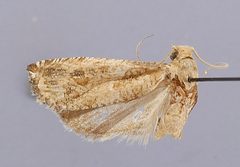
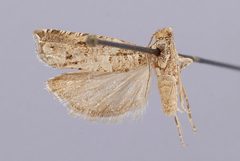
1- Hendecaneura shawiana(Blueberry Tip Borer Moth)
Hendecaneura is a of tortricid moths in the Olethreutinae, established by Walsingham in 1900. The genus contains seven described distributed primarily in Asia and North America. At least one species, H. shawiana, is a documented agricultural pest of blueberry. Most species were described by Walsingham in 1900 from material collected in Asia.

Pronunciation
How to pronounce Hendecaneura: //hɛnˌdɛkəˈnʊərə//
These audio files are automatically generated. While they are not always 100% accurate, they are a good starting point.
Identification
in this can be distinguished from other Olethreutinae by genitalia , though specific external diagnostic features require examination. -level identification relies on examination of male and female genitalia structures.
Images
Habitat
occur in regions supporting their plants; H. shawiana is associated with cultivated blueberry plantings. Natural preferences for most species are poorly documented.
Distribution
Asia (Himalayan region, Japan) and North America. Specific countries include India, China, Japan, and the United States.
Seasonality
H. shawiana has one per year with in spring. Seasonality for other is undocumented.
Diet
Larvae of H. shawiana feed internally on blueberry (Vaccinium) shoot tips. Diet of remaining is unknown.
Host Associations
- Vaccinium - larval H. shawiana only; internal feeding in shoot tips
Life Cycle
H. shawiana: one per year; larvae bore into blueberry tips and overwinter; occurs in soil; emerge in spring. of other are unknown.
Behavior
H. shawiana larvae exhibit boring , tunneling into blueberry shoot tips and causing tip dieback. are . Other behavioral traits are undocumented.
Ecological Role
H. shawiana functions as a pest in agricultural , causing economic damage to blueberry . Ecological roles of other species are unknown.
Human Relevance
H. shawiana is a documented pest of blueberry crops, causing damage through larval boring of shoot tips. Other have no recorded economic significance.
Similar Taxa
- Other Olethreutinae generaSimilar overall ; distinguished by genitalia characteristics and associations where known
- Other Tortricidae leafroller mothsSimilar size and wing shape; requires dissection for definitive identification
More Details
Taxonomic history
The was established by Lord Walsingham in 1900, who described four of the seven currently recognized in that same publication. The name Hendecaneura derives from Greek roots, though its precise etymological meaning is not documented in standard references.
Species diversity
Seven are currently recognized: H. apicipictum, H. axiotima, H. cervinum, H. himalayana, H. impar, H. rhododendrophaga, and H. shawiana. The specific epithet rhododendrophaga suggests a possible association with Rhododendron, though this relationship has not been confirmed in published literature.