
Eucopina
Gilligan & Wright, 2014
Pine Coneborer and Shoot-Borer Moths
Species Guides
10- Eucopina bobana
- Eucopina cocana(Shortleaf Pine Coneborer Moth)
- Eucopina franclemonti
- Eucopina gloriola
- Eucopina monitorana(Red Pine Coneborer Moth)
- Eucopina ponderosa
- Eucopina rescissoriana(Lodgepole Pine Coneborer Moth)
- Eucopina siskiyouana(Fir Coneborer Moth)
- Eucopina sonomana(Western Pine Shoot Borer Moth)
Eucopina is a of tortricid moths comprising approximately nine described , all native to North America. Species in this genus are commonly known as pine coneborers and shoot-borers, reflecting their specialized association with conifer . Larvae of several species are documented pests of pine and fir cones and shoots, causing economic damage in forestry contexts. The genus was formally described by Gilligan & Wright in 2014.
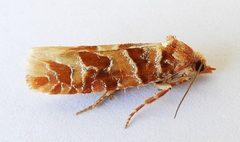
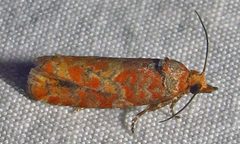
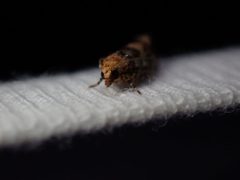
Pronunciation
How to pronounce Eucopina: /juːˈkoʊpɪnə/
These audio files are automatically generated. While they are not always 100% accurate, they are a good starting point.
Identification
Eucopina are small tortricid moths with forewings that exhibit muted coloration in browns, grays, and rust tones. Distinguishing individual species requires examination of genitalia and often association; external alone is insufficient for reliable identification. The can be separated from related Eucosmini genera by subtle wing pattern elements and male genitalic structures as defined in the original description.
Images
Habitat
Associated with coniferous forests, particularly stands of Pinus (pines), Abies (firs), and related conifer . Larval is within cones, seeds, or terminal shoots of trees.
Distribution
North America, with records from the United States including Vermont and western states. Distribution corresponds to ranges of conifer .
Diet
Larvae feed internally on conifer cones, seeds, and shoots. Specific associations documented: Pinus including shortleaf pine (Pinus echinata), red pine (P. resinosa), lodgepole pine (P. contorta), ponderosa pine (P. ponderosa), western white pine (P. monticola), and white pine (P. strobus); also Abies species (firs).
Host Associations
- Pinus echinata - larval Eucopina cocana
- Pinus resinosa - larval Eucopina monitorana
- Pinus contorta - larval Eucopina rescissoriana
- Pinus ponderosa - larval Eucopina ponderosa
- Pinus strobus - larval Eucopina tocullionana
- Pinus monticola - larval Eucopina gloriola
- Abies - larval Eucopina siskiyouana
Life Cycle
Complete with , larva, pupa, and stages. Larvae develop within cones or shoots of conifers. occurs in feeding tunnels or in soil/litter. Adults are active during warmer months; specific timing varies by and latitude.
Behavior
Larvae are endophagous, tunneling within conifer cones and shoots. This concealed feeding habit protects larvae from and environmental extremes. are and attracted to light.
Ecological Role
As seed and cone , larvae reduce conifer reproductive output. can significantly impact seed production in pine stands. Serve as food source for and other natural enemies.
Human Relevance
Several are forestry pests of economic concern. Eucopina gloriola (white pine shoot-borer) damages terminal shoots of eastern white pine, causing stem deformity and growth loss. Cone-boring species reduce seed collection for reforestation and nursery stock. Management in seed orchards may require application or silvicultural controls.
Similar Taxa
- EucosmaRelated in tribe Eucosmini with similar and conifer cone-boring larvae; distinguished by genitalic and wing pattern characters.
- CydiaTortricid with some conifer-feeding ; Eucopina distinguished by Olethreutinae placement and specific genitalic structures.
- RhyacioniaPine shoot-boring tortricids with similar larval habits; distinguished by different wing patterns and male genitalia.
More Details
Etymology
The name reflects its close relationship to Copina, another tortricid genus, with the prefix 'Eu-' indicating 'true' or 'typical'.
Taxonomic history
now placed in Eucopina were previously classified in other , particularly Eucosma and related , before the 2014 revision by Gilligan & Wright established the genus based on phylogenetic and morphological evidence.