
Eucosma
Hübner, 1823
Species Guides
90Eucosma is a large of small tortricid moths with at least 670 described worldwide. The genus has a Holarctic and Indomalayan distribution, with approximately 150 species in the Nearctic region and 53 in Europe. New species continue to be discovered even in well-studied regions. Species exhibit considerable variation in coloration, ranging from plain to boldly patterned.
Pronunciation
How to pronounce Eucosma: //juːˈkɒzmə//
These audio files are automatically generated. While they are not always 100% accurate, they are a good starting point.
Identification
-level identification requires examination of genitalia and other microscopic features; external is highly variable and not reliably diagnostic. -level identification is challenging and often requires specialized taxonomic keys. Some Nearctic species associated with conifer cones can be recognized by association and geographic context, but definitive identification requires dissection and comparison with .
Images
Appearance
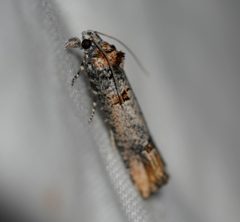
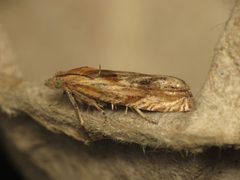
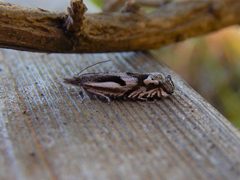
Small with highly variable coloration. Some are plain in color, while others display bold patterning. Wing patterns and colors vary widely across the , with no single diagnostic color scheme.
Habitat
associations vary by . Eucosma paregoria is associated with prairies and glades in the midwestern United States. Multiple Nearctic species are associated with coniferous forests where they develop in conifer cones. Specific habitat requirements for most species remain undocumented.
Distribution
Holarctic and Indomalayan distribution. Documented from Europe (53 ), North America (150 Nearctic species), and parts of Asia. Afrotropical species originally described in this have been reassigned to other genera. Distribution records include Denmark, Norway, Sweden, Vermont (USA), and other US locations.
Host Associations
- Conifer cones - larval developmentMultiple Nearctic develop in conifer cones; specific associations vary by species and are incompletely documented for most
- Pinus species - probable larval Inferred from associations of related Cydia in the same study; direct confirmation for most Eucosma species lacking
Ecological Role
Larvae of some develop within conifer cones, potentially affecting seed production. Specific impacts vary by species and association.
Similar Taxa
- EucopinaSome taxonomies place formerly in Eucosma into Eucopina (e.g., E. bobana, E. cocana, E. tocullionana); distinction based on genitalic and other morphological characters
- CydiaCo-occurs in similar and shares conifer-associated in some ; distinguished by genitalic and specific wing pattern elements
More Details
Taxonomic complexity
Eucosma is taxonomically challenging due to its large size, morphological variability, and ongoing revisions. boundaries are often unclear, and new species continue to be described from well-collected regions. Some Afrotropical species have been removed to other , indicating that the genus as currently defined may not be monophyletic.
Research needs
Basic remains unknown for most . associations, , and requirements are documented for only a small fraction of the approximately 670 described species. The would benefit from comprehensive phylogenetic study combined with biological data collection.
Sources and further reading
- BugGuide
- Wikipedia
- GBIF taxonomy match
- iNaturalist taxon
- NCBI Taxonomy
- Catalogue of Life
- Effects of Environment and Host Genetics on Eucosma sonomana (Lepidoptera: Tortricidae) Infestation Levels
- Host associations and taxonomy of Nearctic conifer cone moths in the genusEucosma(Lepidoptera: Tortricidae)
- A new species of Eucosma Hübner and two new species of Cydia Hübner (Lepidoptera: Tortricidae) from the United States