
Dahlica
Enderlein, 1912
bagworm moth
Species Guides
2- Dahlica lichenella(Lichen Case-bearer)
- Dahlica triquetrella(Narrow Lichen Bagworm)
Dahlica is a of bagworm moths in the Psychidae, Naryciinae. The genus was established by Enderlein in 1912 and includes several described , most notably Dahlica triquetrella, a small and inconspicuous species often mistaken for debris. Species in this genus construct protective cases from silk and environmental materials, with Dahlica triquetrella building cases that resemble small bits of dirt or wood rather than the prominent plant-covered cases of larger bagworm species. The subgenus Postsolenobia within Dahlica has been the subject of recent taxonomic revision using , revealing unexpected patterns of genetic diversity among its five validly described .
Pronunciation
How to pronounce Dahlica: //ˈdæ.lɪ.kə//
These audio files are automatically generated. While they are not always 100% accurate, they are a good starting point.
Identification
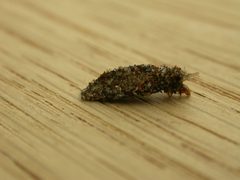
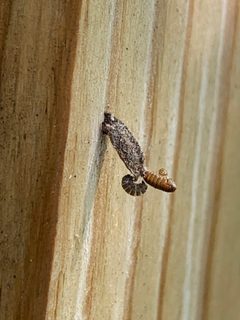
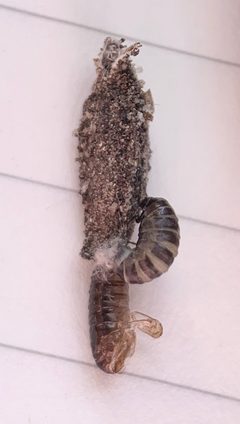
Dahlica are distinguished from other Psychidae by their small size and the relatively inconspicuous, debris-like cases constructed by larvae. Dahlica triquetrella specifically can be identified by its minute case resembling dirt or wood fragments, in contrast to the larger, plant-covered cases of related such as Thyridopteryx. are typically small with reduced wings in females; precise identification to species level requires examination of genitalia and case .
Images
Habitat
Specific preferences are documented for some ; Dahlica triquetrella occurs in diverse environments including urban and suburban settings where its debris-like cases blend into the substrate. The subgenus Postsolenobia has a distribution including Hungary and surrounding regions, with habitat characterization documented in recent taxonomic studies.
Distribution
Records from Denmark, Norway, Sweden, and the United States (Vermont). The subgenus Postsolenobia has been documented from Hungary with broader European distribution discussed in taxonomic literature.
Life Cycle
Complete with , larval, pupal, and stages. Larvae construct portable protective cases from silk and incorporated environmental materials. In Dahlica triquetrella, the larval case is small and debris-like, easily overlooked.
Behavior
Larvae carry their protective cases throughout development; case construction distinguishes , with some incorporating plant matter while others use inorganic debris. females of some species are wingless or have reduced wings.
Ecological Role
As with other Psychidae, larvae function as or herbivores depending on , with case-building contributing to nutrient cycling through incorporation of plant and soil materials.
Similar Taxa
- ThyridopteryxThyridopteryx such as the evergreen bagworm moth construct large, prominent cone-shaped cases covered with plant matter, easily distinguished from the small, debris-like cases of Dahlica triquetrella.
- PostsolenobiaPostsolenobia was previously recognized as a distinct but is now treated as a subgenus within Dahlica; share the reduced wing condition in females and similar case .
Sources and further reading
- BugGuide
- Wikipedia
- GBIF taxonomy match
- iNaturalist taxon
- NCBI Taxonomy
- Catalogue of Life
- Sphingidae | Beetles In The Bush | Page 2
- The Moth and Me | Beetles In The Bush
- Saturniidae | Beetles In The Bush | Page 2
- Noctuidae | Beetles In The Bush | Page 3
- blog carnivals | Beetles In The Bush
- A new species of the genus Dahlica Enderlein, 1912, from Hungary (Lepidoptera, Psychidae)