
Phyciodes incognitus
Phyciodes incognitus is a of in the Phyciodes, which includes the crescent butterflies. The genus Phyciodes comprises small to medium-sized butterflies characterized by orange and black wing patterns with distinctive crescent-shaped markings on the hindwings. Species within this genus are primarily North American and are associated with asteraceous plants.
Pronunciation
How to pronounce Phyciodes incognitus: /faɪˈsaɪoʊdiːz ɪnˈkɒɡnɪtəs/
These audio files are automatically generated. While they are not always 100% accurate, they are a good starting point.
Identification
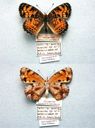
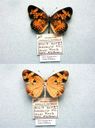
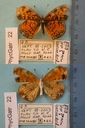
Phyciodes incognitus can be distinguished from other Phyciodes by subtle differences in wing pattern and coloration. Members of this typically display orange wings with black markings and pale crescent-shaped spots on the wing margins. Accurate identification often requires examination of the hindwing pattern, particularly the size and shape of the silver or pale crescent markings, and comparison with closely related species such as Phyciodes tharos and Phyciodes mylitta.
Images
Similar Taxa
- Phyciodes tharosPearl Crescent shares similar orange and black coloration and crescent markings; distinguished by differences in wing pattern details and geographic range
- Phyciodes mylittaMylitta Crescent overlaps in general appearance; differs in plant specificity (thistles) and subtle wing pattern characteristics
- Phyciodes campestrisField Crescent is closely related and similar in size and coloration; historically abundant in California but now regionally extinct at low elevations
More Details
Taxonomic Context
The Phyciodes belongs to the tribe Melitaeini, a group of nymphalid butterflies commonly known as crescents and checkerspots. The specific epithet 'incognitus' suggests this was recognized as distinct after being previously overlooked or confused with similar .
Research Significance
Long-term monitoring studies of Phyciodes , particularly by researchers such as Art Shapiro at UC Davis, have documented significant declines and regional extinctions in related species. These studies highlight the vulnerability of crescent butterflies to climate change, exposure, and disruption.
Sources and further reading
- BugGuide
- Art Shapiro: 'Using Butterflies to Understand Biotic Responses to Climate Change' | Bug Squad
- Where Are All the Butterflies? | Bug Squad
- Mylitta Crescent: Thistle Lover | Bug Squad
- Stylish Lepidoptera: Ermine Moth, Atteva aurea; Yellow-Collared Scape Moth, Cisseps fulvicollis; Pearl Crescent, Phyciodes tharos; Variegated Fritillary, Euptoieta claudia — Bug of the Week
- Curious Scientific Names Can Make Insects Famous
- Bug Eric: City Nature Challenge 2023 Recap