
Nymphalinae
Checkerspots, Anglewings, Peacocks, and Allies
Tribe Guides
5- Coeini(Cecropians and Allies)
- Junoniini(Buckeyes, Commodores, and Allies)
- Melitaeini(checkerspots)
- Nymphalini(Ladies, Anglewings, and Allies)
- Victorinini(Peacock Butterflies and Allies)
Nymphalinae is a of brush-footed butterflies within the Nymphalidae. The group includes well-known butterflies such as anglewings, tortoiseshells, fritillaries, and admirals. Phylogenetic studies indicate the subfamily diversified following the Cretaceous-Paleogene mass extinction, with subsequent dispersals into the Old World and New World beginning in the Eocene.
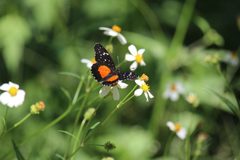
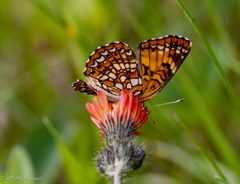
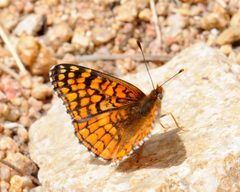
Pronunciation
How to pronounce Nymphalinae: //nɪmˈfælɪnaɪ//
These audio files are automatically generated. While they are not always 100% accurate, they are a good starting point.
Identification
Members of this share the reduced forelegs characteristic of the Nymphalidae, with the forelegs being brush-like and not used for . Tribes within the subfamily can be distinguished by wing patterns: Melitaeini (fritillaries) typically show checkered orange and black patterns; Nymphalini (angleworts and tortoiseshells) often have angular wing margins and cryptic undersides; Kallimini includes leaf-mimicking with remarkable dead-leaf camouflage on the wing undersides.
Images
Habitat
vary by tribe. Many Nymphalini occupy riparian corridors and woodland edges. Melitaeini (fritillaries) are often associated with open grasslands, meadows, and disturbed habitats where their plants grow. Some lineages show strong associations with specific plant , such as willow-lined streams for certain Nymphalini species.
Distribution
Worldwide distribution with major radiations in the Holarctic, Neotropical, and Palearctic regions. Repeated events from ancestral areas into the Old World and New World occurred during the Eocene and subsequent periods.
Seasonality
Varies by and latitude. Many temperate species produce multiple annually, with periods spanning spring through fall. Some species show distinct seasonal , with different wing morphs produced in spring versus summer .
Diet
feed on nectar from diverse flowering plants; some have been observed feeding on rotting fruit, tree sap, and . Larval plants are primarily in the Asteraceae, Plantaginaceae, and Salicaceae, though this varies considerably among tribes.
Host Associations
- Salicaceae - plantPrimary for many Nymphalini, including willows (Salix) for admiral butterflies (Limenitis)
- Asteraceae - plantPrimary for Melitaeini (fritillaries)
- Plantaginaceae - plant for some Nymphalini
Life Cycle
Complete with , larva, pupa, and stages. Larvae of some exhibit defensive mimicry, such as resembling bird droppings. Number of per year varies from one to three or more depending on species and climate.
Behavior
of many engage in mud-puddling , particularly males, to obtain minerals. Some species are territorial, perching on prominent vegetation to defend areas against conspecifics. Several species are known for long-distance migratory behavior, including the painted lady (Vanessa cardui).
Ecological Role
serve as for various flowering plants. Larvae function as herbivores, with some playing significant roles in nutrient cycling in their . The includes species that have been documented as undergoing declines in certain regions, potentially serving as indicators of environmental change.
Human Relevance
Several are popular among watchers and photographers. Some species, such as the painted lady, are among the most widespread and frequently observed butterflies globally. Historical collecting efforts by entomologists, including 19th-century collectors in California during the Gold Rush era, have contributed to knowledge of the group.
Similar Taxa
- LimenitidinaeSometimes treated as a but occasionally included within Nymphalinae as a tribe; shares reduced forelegs and similar overall
- BiblidinaeOccasionally classified within Nymphalinae; primarily Neotropical distribution distinguishes it from the more widespread Nymphalinae sensu stricto
- MelitaeiniOccasionally elevated to rank; distinguished by distinctive checkered wing patterns and Asteraceae plant associations
More Details
Tribal Classification
The contains seven traditionally recognized tribes: Coeini, Nymphalini, Kallimini, Victorinini, Junoniini, Melitaeini, and Vanessulini. The precise phylogenetic relationships among these tribes remain subjects of ongoing research, with some currently classified as incertae sedis.
Phylogenetic History
Molecular dating studies indicate that Nymphalinae diversified during the Cretaceous Terrestrial Revolution following the K-Pg extinction event, with major lineage divergence and geographic expansion occurring from the Eocene onward.