
Junoniini
Buckeyes, Commodores, and Allies
Genus Guides
1- Junonia(buckeyes)
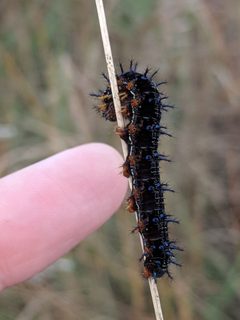
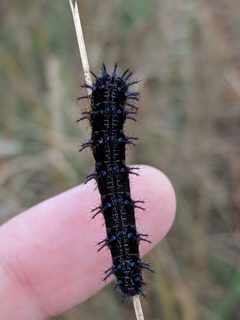
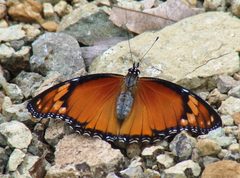
Junoniini is a tribe of brush-footed butterflies within the Nymphalinae. The tribe includes the Junonia (buckeyes, commodores, and pansies), Precis (pansies), Protogoniomorpha, Salamis (mother-of-pearls), and Yoma. Some classifications also place the eggflies and diadems (Hypolimnas) within this tribe, though this placement remains disputed. Members are primarily distributed across tropical and subtropical regions worldwide.
Pronunciation
How to pronounce Junoniini: //dʒuː.noʊˈnaɪ.ə.naɪ//
These audio files are automatically generated. While they are not always 100% accurate, they are a good starting point.
Identification
Members of Junoniini can often be recognized by the presence of prominent eyespots (ocelli) on the wings, particularly in the Junonia. The tribe is distinguished from related nymphaline tribes by combinations of wing venation patterns and genitalic structures. Hypolimnas, when included, shows reduced eyespot development and different wing patterning. Precis often exhibit seasonal with distinct wet-season and dry-season forms.
Images
Distribution
Tropical and subtropical regions worldwide, with particular diversity in Africa, Asia, and the Americas. The Junonia has a nearly distribution in warm regions. Salamis is primarily African. Precis occurs across Africa and into Asia.
Similar Taxa
- KalliminiSome classifications place Hypolimnas (eggflies and diadems) in Junoniini rather than Kallimini, creating taxonomic overlap between these tribes.
More Details
Taxonomic Uncertainty
The placement of Hypolimnas remains unresolved, with some authorities treating it as part of Junoniini and others placing it in Kallimini. This reflects ongoing revision of nymphaline tribal boundaries based on molecular and morphological data.