
Xestia dilucida
Morrison, 1875
Dull Reddish Dart, Reddish Heath Dart
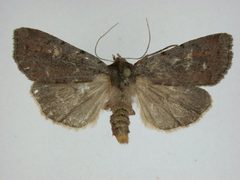
Xestia dilucida is a noctuid occurring in eastern North America. The was described by Morrison in 1875. fly in autumn with a single . Larval plants are restricted to Vaccinium species.
Pronunciation
How to pronounce Xestia dilucida: //ˈzɛst.i.ə dɪˈluː.sɪ.də//
These audio files are automatically generated. While they are not always 100% accurate, they are a good starting point.
Identification
The can be distinguished from similar Xestia species by its autumn period (September–November) and eastern North American distribution. The dull reddish coloration and moderate wingspan (36 mm) separate it from larger or more brightly patterned . Genitalia examination may be required for definitive identification from closely related species.
Images
Appearance
Wingspan approximately 36 mm. coloration is dull reddish-brown, consistent with the . Specific pattern details of forewings and hindwings are not documented in available sources.
Habitat
Associated with supporting Vaccinium , which includes heathlands, bogs, and acidic woodlands. Specific microhabitat preferences for are not documented.
Distribution
Eastern United States from southern Maine to northern Florida, west to central Ohio and eastern Texas. The does not extend west of the Great Plains.
Seasonality
are active from September to November. One per year (). Larval is not documented.
Diet
Larvae feed on Vaccinium (blueberries, cranberries, and related heath plants). feeding habits are not documented.
Host Associations
- Vaccinium - larval food plantMultiple Vaccinium have been recorded as
Life Cycle
One per year. emerge in autumn and likely overwinter as or early instar larvae. Complete developmental details are not documented.
Behavior
are and attracted to light. Specific mating, oviposition, or larval are not documented.
Ecological Role
Larval herbivore on Vaccinium. Serves as prey for . Specific ecological functions are not documented.
Human Relevance
Minor potential as a pest of cultivated blueberries and cranberries, though economic impact is not documented. No other documented human interactions.
Similar Taxa
- Xestia c-nigrumSimilar and general appearance, but X. c-nigrum has a distinct dark marking on the forewing (the 'c-nigrum' spot) and different distribution and
- Xestia bolteriCongeneric owlet moth with similar autumn period, but differs in distribution (western North America) and likely coloration