
Xestia c-nigrum
(Linnaeus, 1758)
setaceous Hebrew character, Black-letter Darts, Spotted Cutworm
Xestia c-nigrum is a widespread noctuid commonly known as the Hebrew character or Black-letter Darts. The was first described by Linnaeus in 1758 and occurs across the Palearctic and Nearctic realms. are and attracted to light. The caterpillars, known as spotted cutworms, are feeders and have been documented as prey for certain thread-waisted wasps.

Pronunciation
How to pronounce Xestia c-nigrum: //ˈzɛstiə siːˈnɪɡrʊm//
These audio files are automatically generated. While they are not always 100% accurate, they are a good starting point.
Identification
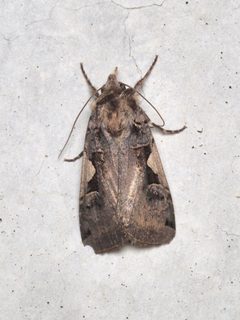
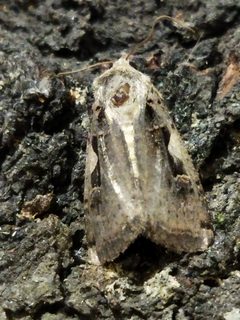
The is distinguished from similar Xestia by the sharply defined black mark on the forewing—neither broken nor diffuse at the edges. Xestia triangulum has a more triangular dark mark. Xestia baja shows more variable, often paler markings without the crisp 'C' or 'nun' shape. Genitalia examination may be required for certain identifications. The larva resembles other cutworms but paired spots are relatively prominent.
Images
Habitat
Found in diverse open including grasslands, meadows, agricultural fields, gardens, and areas. Tolerates disturbed environments. frequent areas with flowering plants for nectar; larvae occur in herbaceous vegetation and soil surface litter.
Distribution
Palearctic: Europe, North Asia, Central Asia, South Asia, China, Japan, Korea. Nearctic: Canada coast to coast, northern United States, western Alaska. Introduced or naturally occurring in Atlantic islands (Azores: Corvo, Faial, Flores, Graciosa, Pico).
Seasonality
fly from late spring through autumn depending on latitude, with peak activity in mid-summer in temperate regions. Multiple per year possible in warmer climates. Overwinters as larva or pupa.
Diet
Larvae are herbivores feeding on low-growing herbaceous plants including many agricultural crops. Documented feeding on various forbs and grasses. take nectar from flowers.
Host Associations
- Ammophila pictipennis - preyCaterpillars used as prey by this thread-waisted wasp
Life Cycle
Holometabolous. laid on or near plants. Larvae feed nocturnally, hiding in soil by day—typical . occurs in soil . stage variable by region. , attracted to light sources.
Behavior
Larvae exhibit classic : feeding at night, curling into C-shape when disturbed, hiding in soil or debris during daylight. are strong fliers and readily come to artificial light. activity pattern in both life stages.
Ecological Role
Larvae function as primary consumers in herbaceous plant . Serve as prey for various , predatory wasps, and other natural enemies. contribute to pollination and serve as food for bats and night-flying birds.
Human Relevance
Larvae are occasional agricultural pests as cutworms, damaging seedlings and young plants by severing stems at soil level. Subject to efforts. used as in monitoring and citizen science projects.
Similar Taxa
- Xestia triangulumSimilar size and ground color, but forewing mark is more triangular rather than C-shaped or Hebrew character form
- Xestia bajaPalearctic relative with more variable, often diffuse forewing markings lacking the crisp black mark of X. c-nigrum
- Agrotis spp.Other cutworm moths with similar larval habits; generally lack the distinctive forewing marking
More Details
Nomenclature
The specific epithet 'c-nigrum' refers directly to the black C-shaped mark on the forewing. ' Hebrew character' refers to the bristle-like (setaceous) and the resemblance of the mark to a Hebrew letter.
Taxonomic Status
GBIF and NCBI recognize this as a ; iNaturalist treats it as a , reflecting possible unresolved cryptic diversity or subspecific variation across its broad range.