
Euxoa satiens
Smith, 1890
Euxoa satiens is a of noctuid described by Smith in 1890. It occurs along the Pacific coast of North America from British Columbia south to California. The wingspan is approximately 34 mm. Like other members of the Euxoa, the larvae are likely cutworms that feed on vegetation, though specific details for this species remain poorly documented.
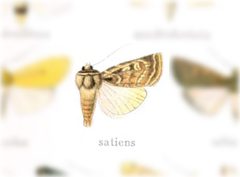
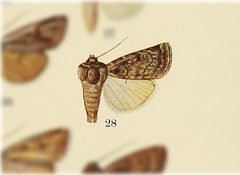
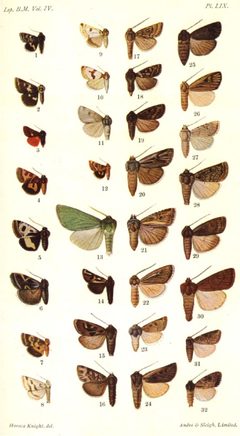
Pronunciation
How to pronounce Euxoa satiens: /juːkˈsoʊ.ə søˈti.ɛnz/
These audio files are automatically generated. While they are not always 100% accurate, they are a good starting point.
Images
Distribution
Found from British Columbia, Canada south to California, USA along the Pacific coast.
Similar Taxa
- Euxoa auxiliaris is a congeneric with similar distribution and larval habits, but E. auxiliaris is notably larger, has distinct seasonal to alpine areas, and is a major agricultural pest with well-documented —traits not recorded for E. satiens
- Euxoa mimallonisRuddy-winged Dart is another Euxoa found in western North America with similar , but differs in specific wing pattern details and has been recorded at blacklight in Colorado Springs, suggesting different preferences than the coastal E. satiens
Sources and further reading
- BugGuide
- Wikipedia
- GBIF taxonomy match
- iNaturalist taxon
- NCBI Taxonomy
- Catalogue of Life
- Aboveground Pests - AgriLife Extension Entomology
- Stem- and Leaf- Feeding Insects - AgriLife Extension Entomology
- Bug Eric: Winter 'pillars
- How Army Cutworm Moths Bounce Between Midwest Heat and Alpine Cool
- Bug Eric: My Kind of Fourth of July
- Bug Eric: July 2019