Euxoa clausa
McDunnough, 1923
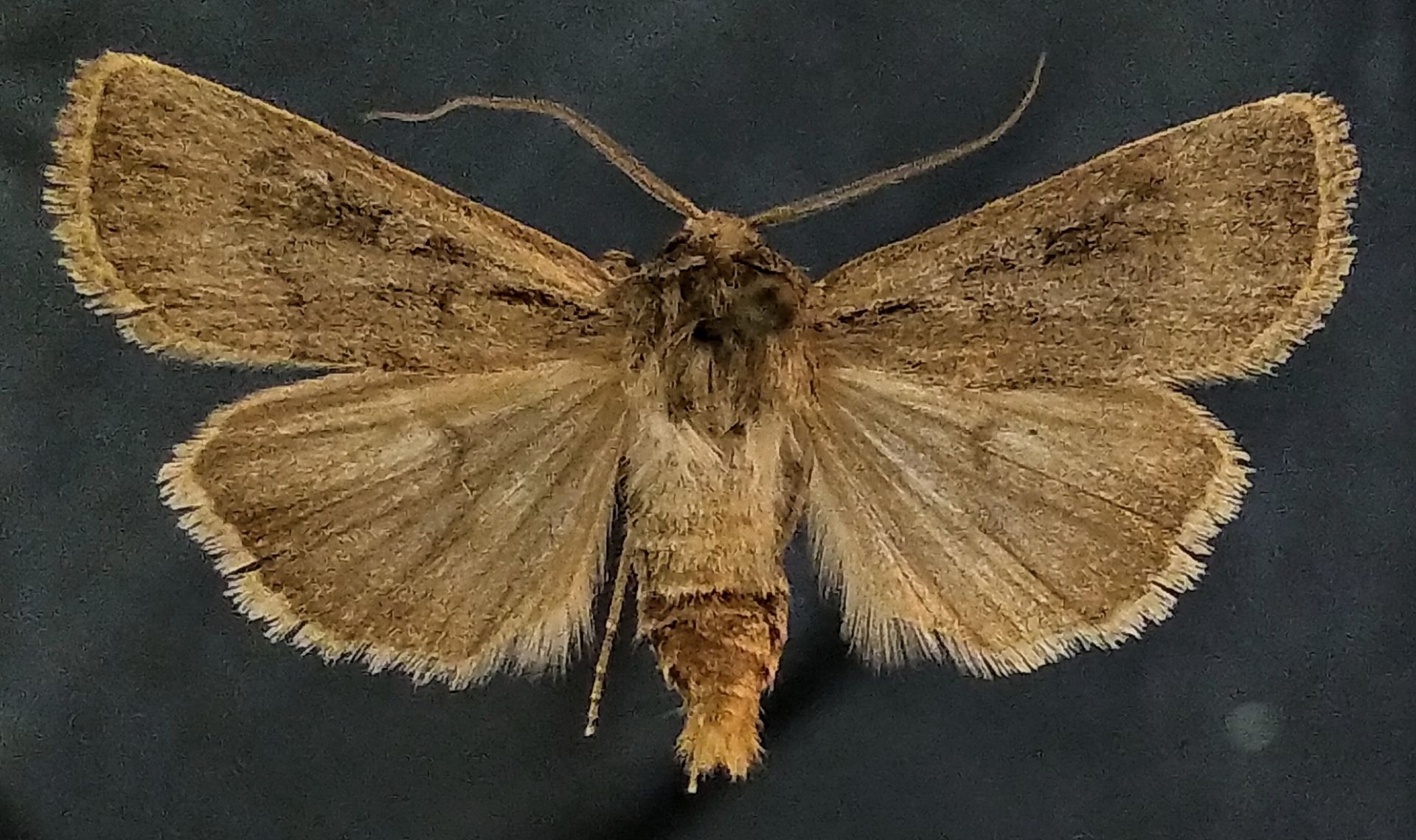
Euxoa clausa is a noctuid described by James Halliday McDunnough in 1923. It is restricted to the north-western Great Plains of North America, with a wingspan of approximately 33 mm. are active in mid-summer, with one per year.
Pronunciation
How to pronounce Euxoa clausa: //juːkˈsoʊə ˈklɔːsə//
These audio files are automatically generated. While they are not always 100% accurate, they are a good starting point.
Identification
No specific diagnostic features distinguishing Euxoa clausa from are documented in available sources. Identification likely requires examination of genitalia or other subtle morphological characters typical of the Euxoa.
Images
Appearance
Wingspan approximately 33 mm. Specific coloration and pattern details are not documented in available sources.
Habitat
North-western Great Plains grassland .
Distribution
North America: southern Saskatchewan and Alberta, Canada; south to south-western Montana and Nebraska, USA. GBIF records confirm presence in Alberta and Saskatchewan.
Seasonality
on wing July to August. One per year.
Life Cycle
(one per year). Larval stages and details are not documented.
Behavior
; attracted to light. are active during mid-summer nights.
Similar Taxa
- Euxoa messoriaOverlaps in Great Plains distribution and similar period; separation requires detailed morphological examination
- Euxoa ochrogasterSympatric in prairie ; Euxoa often require dissection for reliable identification
- Euxoa auxiliarisRelated with broader distribution; differs in ecological habits including migratory not reported for E. clausa
More Details
Taxonomic History
Described by Canadian entomologist James Halliday McDunnough in 1923. The specific epithet 'clausa' (Latin for 'closed') may refer to a morphological feature of the genitalia or wing venation, though original description not consulted.
Research Gaps
Larval plants, stages, and detailed requirements remain undocumented. The has received minimal study beyond original description and basic distribution records.
Sources and further reading
- BugGuide
- Wikipedia
- GBIF taxonomy match
- iNaturalist taxon
- NCBI Taxonomy
- Catalogue of Life
- Bug Eric: Winter 'pillars
- How Army Cutworm Moths Bounce Between Midwest Heat and Alpine Cool
- Bug Eric: Blue-legged Grasshopper
- Bug Eric: My Kind of Fourth of July
- The (almost) Florida-endemic Cicindelidia scabrosa | Beetles In The Bush
- Bug Eric: July 2019