
Admetovis oxymorus
Grote, 1873
cutworm moth, dart moth
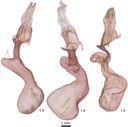
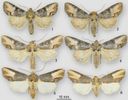
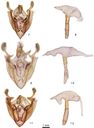
Pronunciation
How to pronounce Admetovis oxymorus: //ædˈmiːtɔvɪs ˌɒkˈsɪmərəs//
These audio files are automatically generated. While they are not always 100% accurate, they are a good starting point.
Identification
Admetovis oxymorus possesses a characteristic flame-shaped mark on the forewing, shared with other in the . It can be distinguished from the closely related A. icarus by its less mottled wing pattern and lighter flame mark. Compared to A. icarus, the wings show reduced mottling overall. Accurate identification requires examination of wing pattern details and comparison with voucher specimens.
Images
Habitat
Found in mountainous regions of western North America. The occurs at high elevations, with records from central Utah, central Colorado, and the Selkirk Mountains of southeastern British Columbia, including northeastern Oregon.
Distribution
North America: recorded from central Utah, central Colorado, Selkirk Mountains of southeastern British Columbia, and northeastern Oregon. The full extent of its range may be broader but is obscured by historical misidentification with .
Seasonality
are active from June through August. Activity is .
Diet
Larvae are believed to be climbing cutworms that feed on woody shrubs, based on inference from related in the . Direct observations of feeding have not been documented.
Behavior
activity pattern. are attracted to light.
Human Relevance
The has been misidentified in historical collections, leading to confusion in biodiversity records. Proper identification supports accurate faunal surveys and conservation assessments in western North American .
Similar Taxa
- Admetovis icarusShares the flame-shaped forewing mark but differs in having more heavily mottled wings and a darker flame mark; occurs at similar high elevations and has been historically confused with A. oxymorus in collections
- Admetovis similarisThird member of the sharing the characteristic flame mark; distinguishing features require detailed wing pattern comparison
Misconceptions
The has been frequently misidentified in historical surveys, with specimens later recognized as A. icarus. This suggests published distribution records and abundance data from before 2018 should be treated with caution.
More Details
MONA/Hodges number
10269
Taxonomic history
Part of a 2018 revision of the Admetovis that clarified boundaries and described A. icarus as new, revealing the extent of prior misidentification