Lacinipolia davena
(Smith, 1901)
red-spot polia, Red-spot Polia Moth
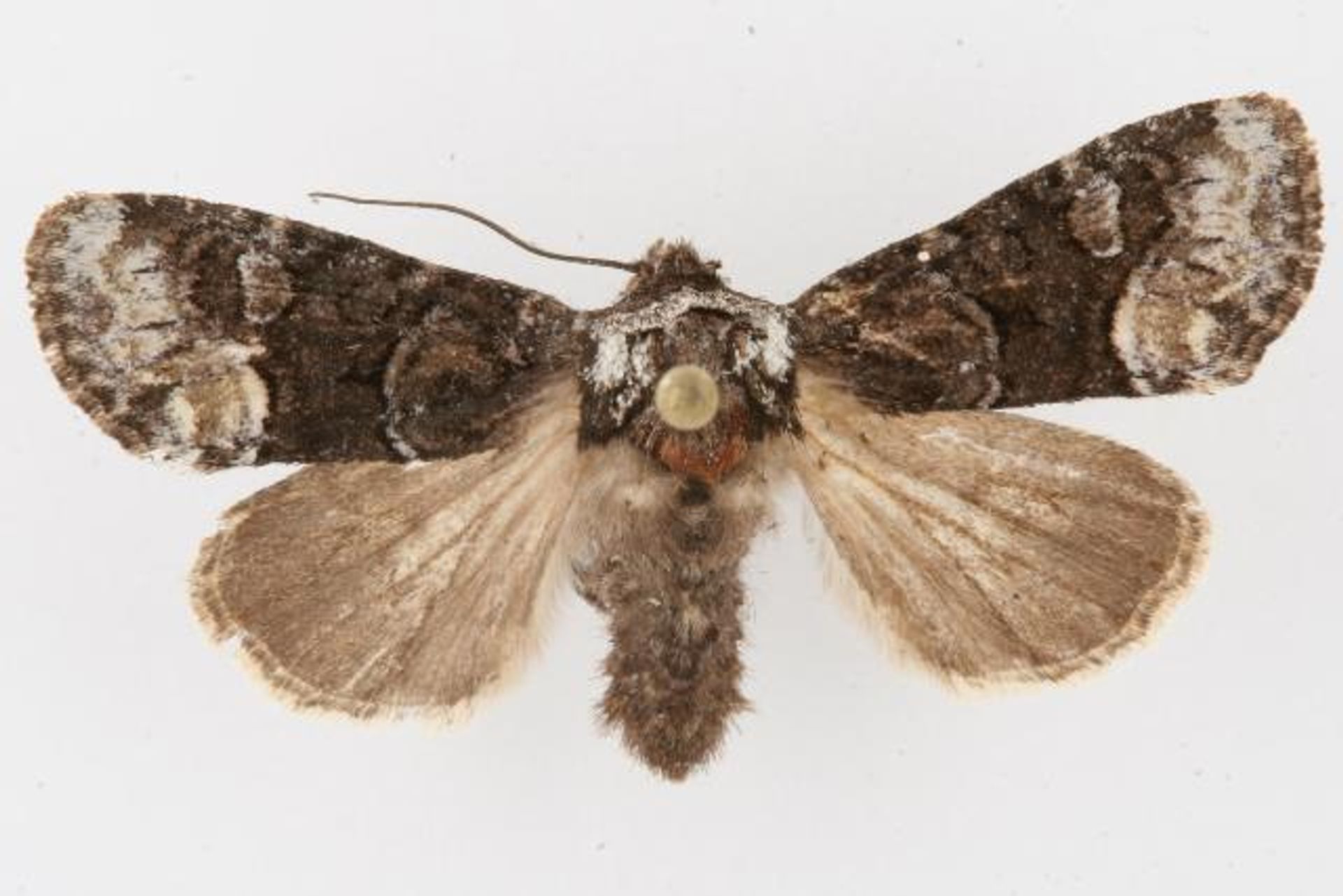
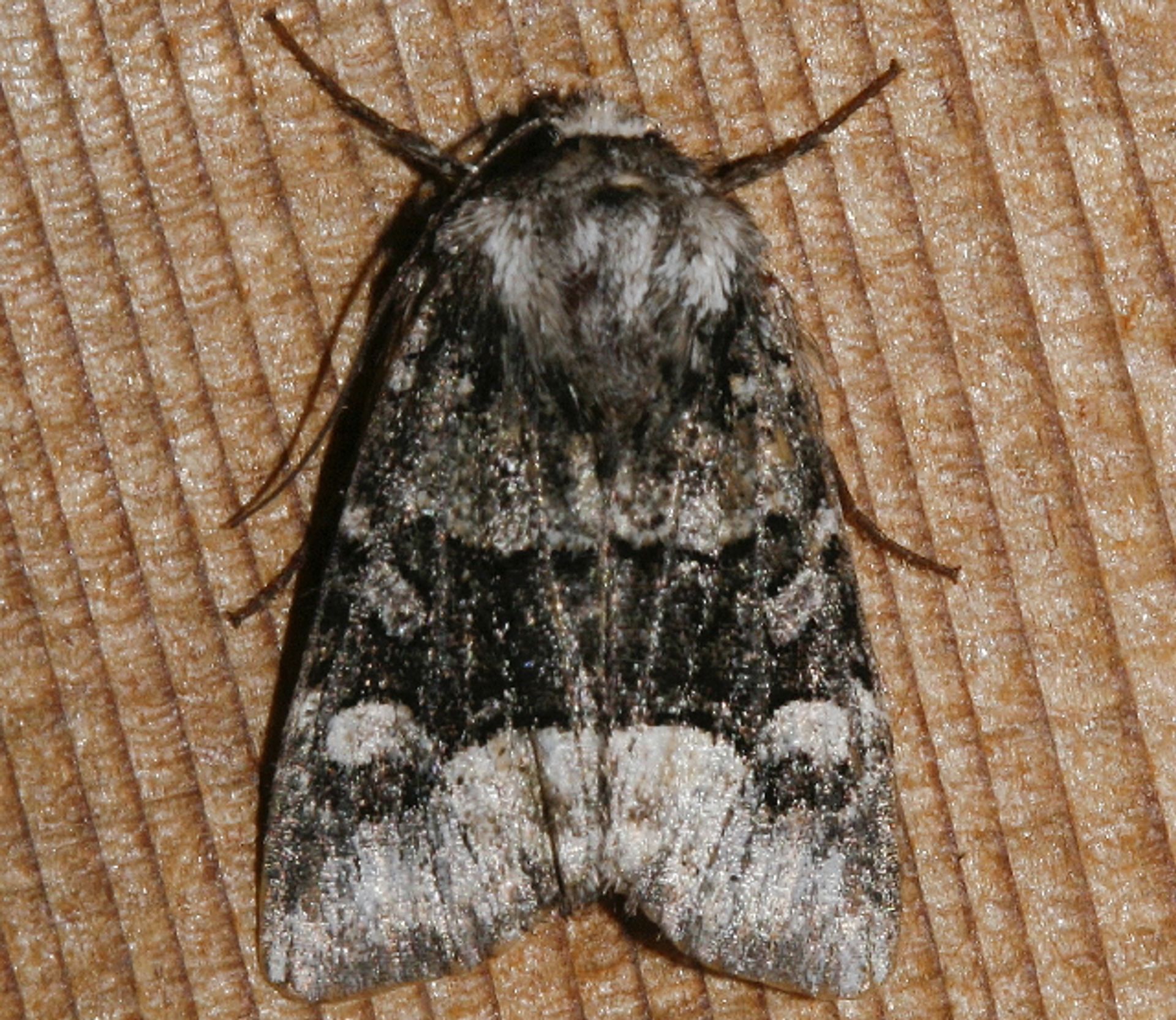
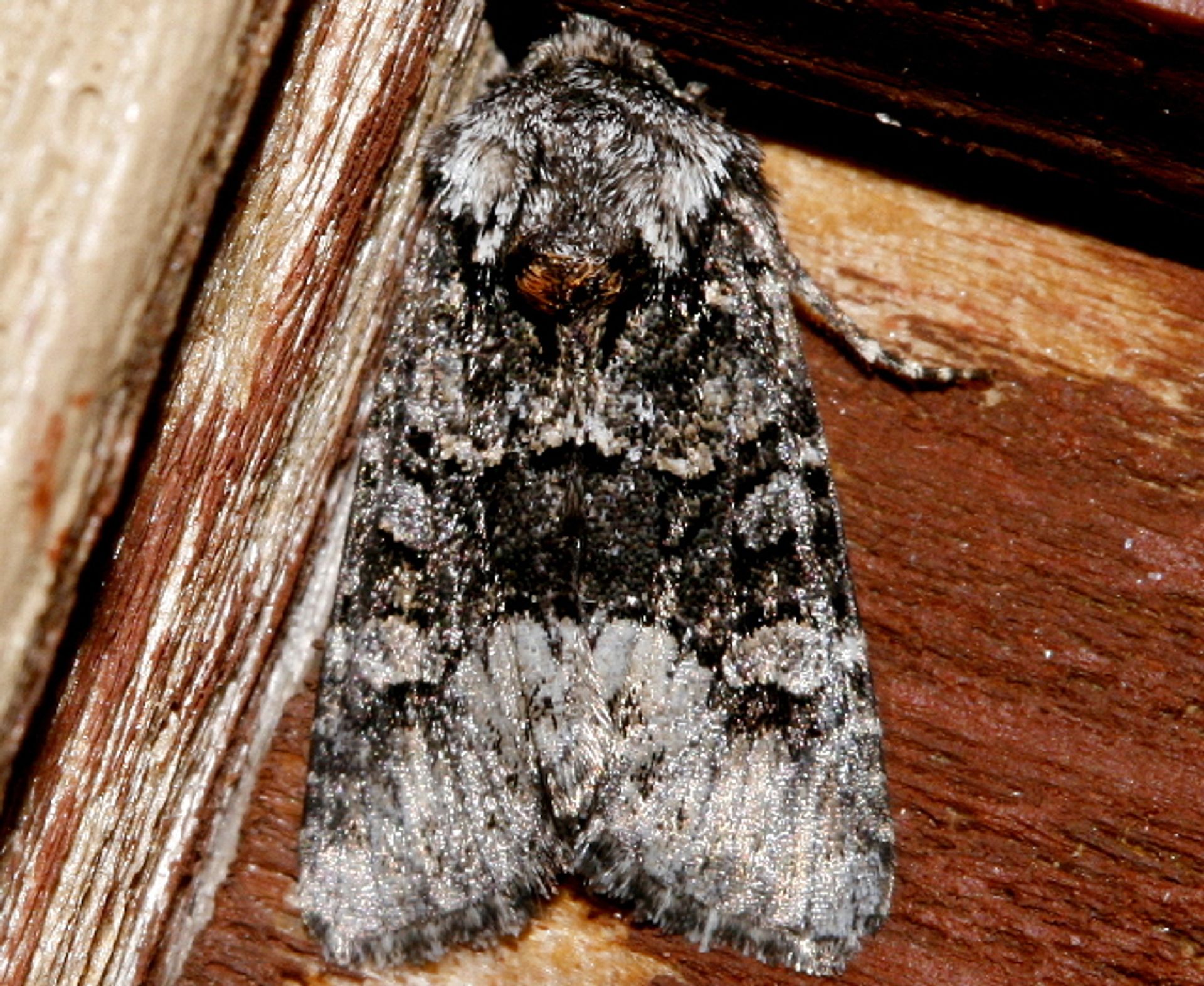
Lacinipolia davena is a of owlet moth in the Noctuidae, commonly known as the red-spot polia. It is one of the larger in the Lacinipolia, which are frequently attracted to blacklights at night. The species was first described by Smith in 1901. are difficult to distinguish from other Lacinipolia species by appearance alone.
Pronunciation
How to pronounce Lacinipolia davena: /lɑːˌkɪnɪˈpoʊliə dəˈveɪnə/
These audio files are automatically generated. While they are not always 100% accurate, they are a good starting point.
Identification
within the Lacinipolia cannot be reliably distinguished from one another by visual inspection alone. Identification to species level typically requires examination of genitalia or other microscopic features. The red-spot polia is one of the larger species in the genus and may be attracted to blacklight setups during surveys.
Images
Appearance
are relatively large compared to other Lacinipolia . One observed specimen was mottled gray with reflective on the wings; another was green and likely rests on lichen-covered tree trunks by day. The is characterized by typical owlet moth with stout bodies and cryptic coloration.
Habitat
Associated with wooded or forested where lichen-covered tree trunks provide daytime resting sites. The green morph specifically appears adapted for against lichen substrates.
Distribution
North America. Specific range details beyond continental presence are not well documented in available sources.
Seasonality
have been observed in July, coinciding with National Week activities in Colorado. The precise period across its range is not established.
Behavior
are and attracted to blacklights. They likely rest motionless on tree trunks during daylight hours, relying on cryptic coloration for avoidance. The green morph specifically appears adapted for lichen-matching .
Ecological Role
As a noctuid , likely serve as prey for bats, night-flying birds, and other . Larval is undocumented but cutworm moths (Noctuidae) typically have soil-dwelling caterpillars that feed on herbaceous plants.
Similar Taxa
- Other Lacinipolia speciesCannot be distinguished visually; all share similar size range, , and attraction to blacklights. Genital dissection or molecular methods required for separation.
- Caddisflies (Trichoptera)Superficially resemble at lights; distinguished by different wing venation, hairy wings rather than scaled, and typically smaller size.
- Brown lacewings (Hemerobiidae)Resemble small at first glance; distinguished by different wing structure, longer , and predatory larval .
More Details
Taxonomic history
Originally described as Mamestra davena by Smith in 1901, later transferred to Lacinipolia. The is assigned MONA/Hodges number 10407 in North American classification systems.
Observation challenges
The Lacinipolia presents significant identification challenges for citizen scientists and even experienced lepidopterists. iNaturalist observations of this number 179, suggesting moderate detectability but likely including some misidentifications given the visual similarity among .