Zale squamularis
Drury, 1773
Gray-banded Zale Moth, Gray-banded Zale
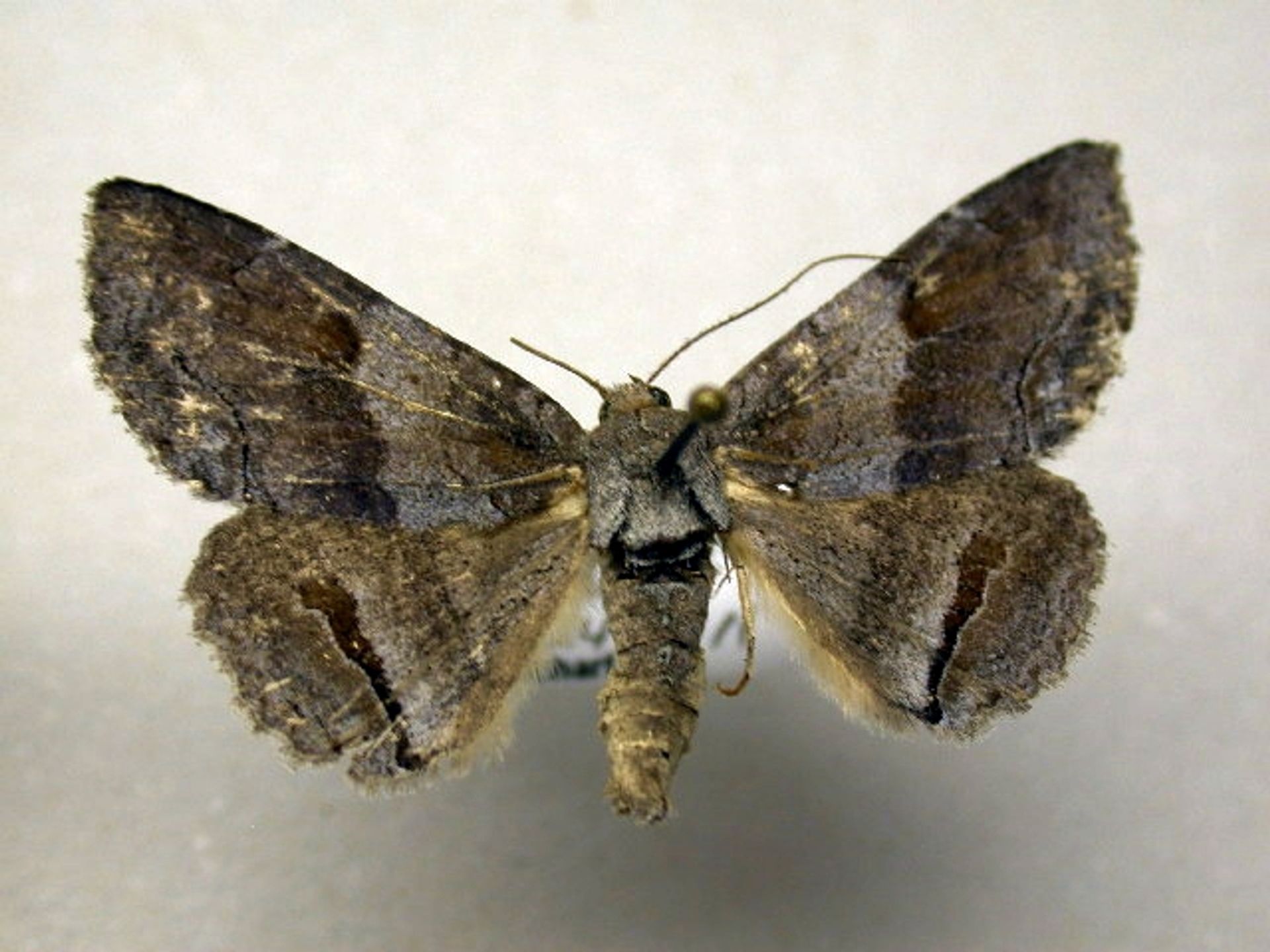
Zale squamularis, the gray-banded zale , is a noctuid moth first described by Dru Drury in 1773. It occurs in the eastern and southeastern United States, where its larvae feed on pine needles. The species produces two to three annually in New Jersey, with active from spring through fall.
Pronunciation
How to pronounce Zale squamularis: /ˈzeɪli ˌskwæmjʊˈlɛərɪs/
These audio files are automatically generated. While they are not always 100% accurate, they are a good starting point.
Identification
The gray-banded forewing pattern distinguishes this from other Zale moths. The specific wing pattern of alternating gray bands separates it from congeneric species in the eastern United States. Accurate identification typically requires examination of genitalia or reference to regional guides.
Images
Habitat
Associated with pine forests and woodlands. Larval consists of mature pine trees where feeding occurs on needles.
Distribution
Eastern United States from Ohio east to Long Island, southward to Florida and Texas.
Seasonality
Two to three per year in New Jersey, with activity spanning spring through fall months.
Diet
Larvae feed on pitch pine (Pinus rigida), pond pine (Pinus serotina), and probably other hard pines. They prefer mature needles over new growth.
Host Associations
- Pinus rigida - larval food plantpitch pine
- Pinus serotina - larval food plantpond pine
Life Cycle
Complete with two to three annually in at least part of the range. stage not specified in available sources.
Behavior
are . Larvae feed on pine needles, showing preference for mature foliage.
Ecological Role
Larval herbivore on native pines; serves as prey for including of Ammophila.
Human Relevance
Larvae feed on native pines and do not appear to be significant forest pests. The is of interest to lepidopterists and naturalists.
Similar Taxa
- Other Zale speciesSame , similar size and general appearance; distinguished by forewing pattern and banding details
- Catocala speciesSimilar habits and size; underwing moths differ in hindwing coloration and pattern
More Details
Taxonomic History
Originally described as Phalaena squamularis by Dru Drury in 1773; later transferred to Zale. placement has been revised from Noctuidae to Erebidae based on modern molecular .
Larval Biology
Preference for mature pine needles over new growth may reflect chemical defenses or nutritional differences in younger foliage.