
Zale lunifera
Hübner, 1818
bold-based zale, pine barrens zale
Zale lunifera is a in the Erebidae, first described by Jacob Hübner in 1818. It is primarily associated with pine barren and scrub oak in eastern North America. The species is notable for its specific larval relationship with scrub oak species, particularly Quercus ilicifolia. exhibit periods in spring and mid-summer.
Pronunciation
How to pronounce Zale lunifera: /ˈzeɪ.lɛ ˈluː.nɪˌfɛr.ə/
These audio files are automatically generated. While they are not always 100% accurate, they are a good starting point.
Identification
The bold dark basal patch on the forewings distinguishes this from other Zale moths. The wingspan range of 37–45 mm and the specific association with scrub oak-pine barren provide additional diagnostic characters. can be separated from similar congeneric species by forewing pattern and geographic distribution.
Images
Appearance
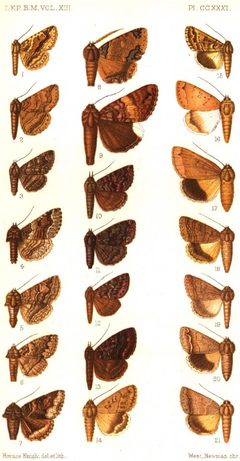
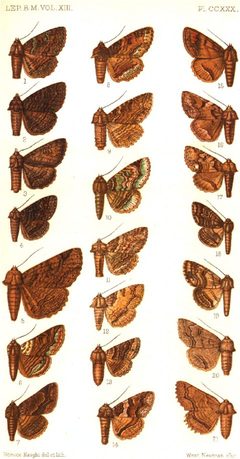
have a wingspan of 37–45 mm. The forewings display a characteristic bold dark basal area, which gives rise to the 'bold-based zale'. Wing patterning includes contrasting light and dark markings typical of the Zale.
Habitat
Open, sandy pine-oak forests and pine barren . In southeastern Georgia, specifically inhabits open, sandy pine-oak forest. The is dependent on supporting its larval plants, various scrub oak species including Quercus ilicifolia.
Distribution
Eastern United States, primarily east and south of the Appalachian Mountains. Range extends from southern Maine south to Lee County, Mississippi, and Florida. Inland occurrences reach the mountains of Virginia and Lebanon County, Pennsylvania. Not confirmed from southeastern Virginia or South Carolina, though potential occurrence is possible. Unlikely in Maryland and Delaware due to lack of suitable .
Seasonality
are on wing in two : April to May, and July to August.
Diet
Larvae feed on various Quercus ilicifolia and other scrub oak . feeding habits are not documented.
Host Associations
- Quercus ilicifolia - larval primary
- scrub oak species - larval various
Life Cycle
, with two per year. Larval development occurs on scrub oak plants. Specific details of , pupal, and stages are not documented.
Behavior
are . Larvae feed on oak foliage.
Ecological Role
Herbivore as larva; contributes to nutrient cycling in pine-oak forest . Serves as prey for including Ammophila nigricans.
Human Relevance
No documented economic or agricultural significance. Potential for pine barren health.
Similar Taxa
- other Zale speciescongeneric with similar wing patterns but differing in forewing basal marking intensity and specificity
- Zale horridaoverlapping range and similar preferences, distinguished by forewing pattern details
More Details
Taxonomic History
Originally described by Jacob Hübner in 1818. The was transferred from Noctuidae to Erebidae following modern phylogenetic revisions of Lepidoptera classification.
Conservation Notes
specificity to pine barren and scrub oak makes this vulnerable to habitat loss from development and fire suppression. The disjunct distribution pattern suggests potential for unrecognized local structure.