
Zale horrida
Hübner, 1819
Horrid Zale Moth
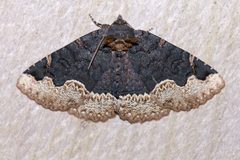
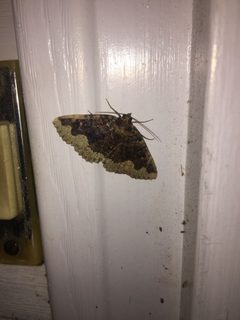
Zale horrida, commonly known as the horrid zale, is a of owlet moth in the Erebidae. First described by Jacob Hübner in 1819, this is found across North America. It is a member of the Zale, which includes numerous similar-looking species that can be challenging to distinguish. The species has been assigned the MONA or Hodges number 8717, a standardized numbering system used for North American Lepidoptera identification.
Pronunciation
How to pronounce Zale horrida: /ˈzeɪli ˈhɒrɪdə/
These audio files are automatically generated. While they are not always 100% accurate, they are a good starting point.
Identification
Zale horrida belongs to a of that are notoriously difficult to identify to level based on external alone. Members of the genus Zale typically exhibit similar wing patterns with various shades of brown, gray, and black, often with distinct lines and spots. Accurate identification of Z. horrida may require examination of genitalia or other specialized characters. The Hodges number 8717 provides a standardized reference for this species within North American faunal inventories.
Images
Distribution
North America. Specific records include the Canadian province of Manitoba and the U.S. state of Vermont.
Human Relevance
Zale horrida serves as a known for the Ammophila nigricans, a large sphecid wasp that provisions its nest with caterpillars of this and related . This relationship has been documented in ecological studies of wasp foraging .
Similar Taxa
- Other Zale speciesNumerous congeneric share similar wing patterns and external , making visual identification challenging without specialized examination.
More Details
Taxonomic numbering
Zale horrida has been assigned MONA ( of North America) or Hodges number 8717, a standardized identification number used in North American lepidopteran faunal works.