Catocala briseis
Edwards, W.H., 1864
Briseis Underwing, Ribbed Underwing
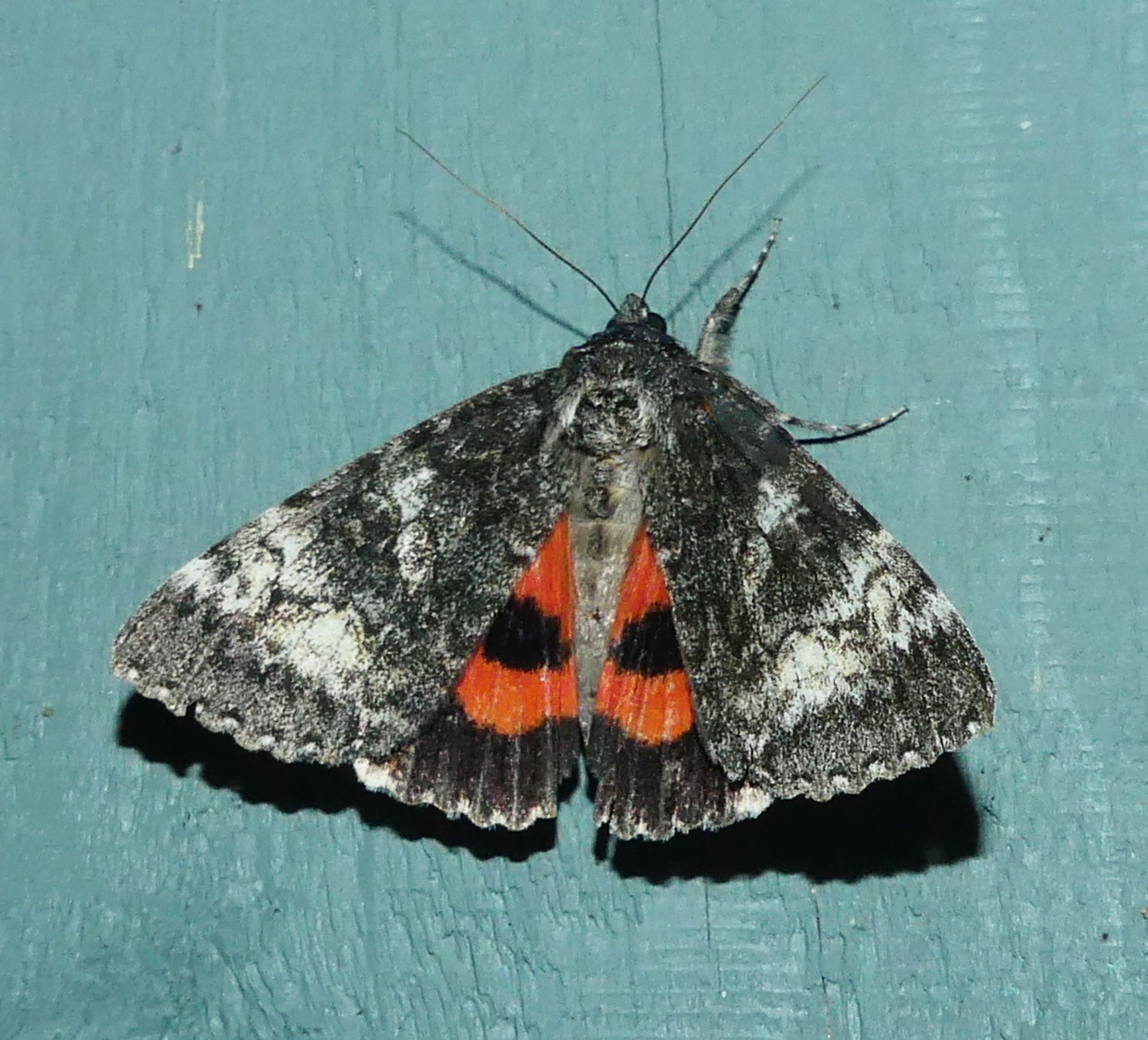
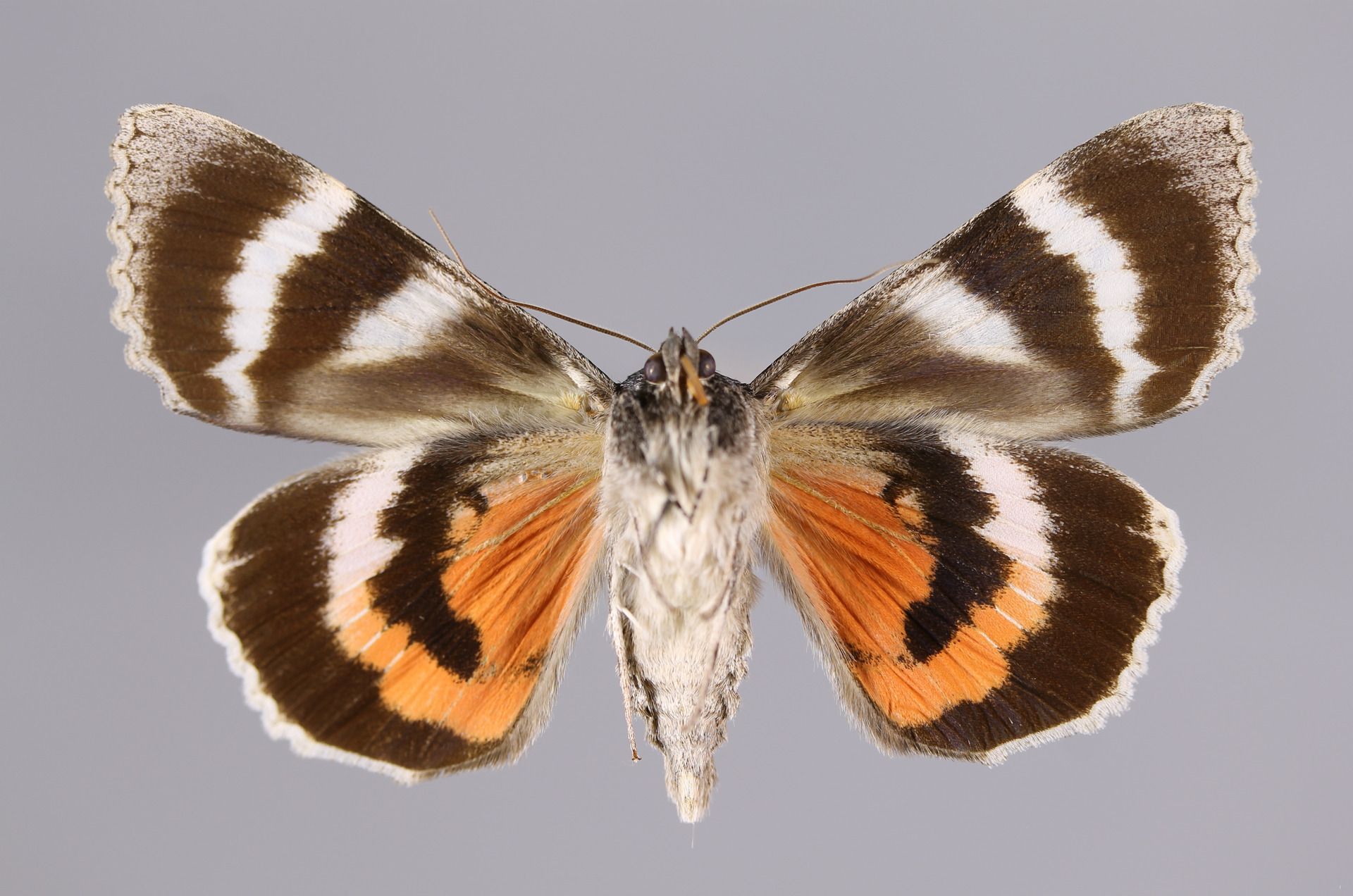
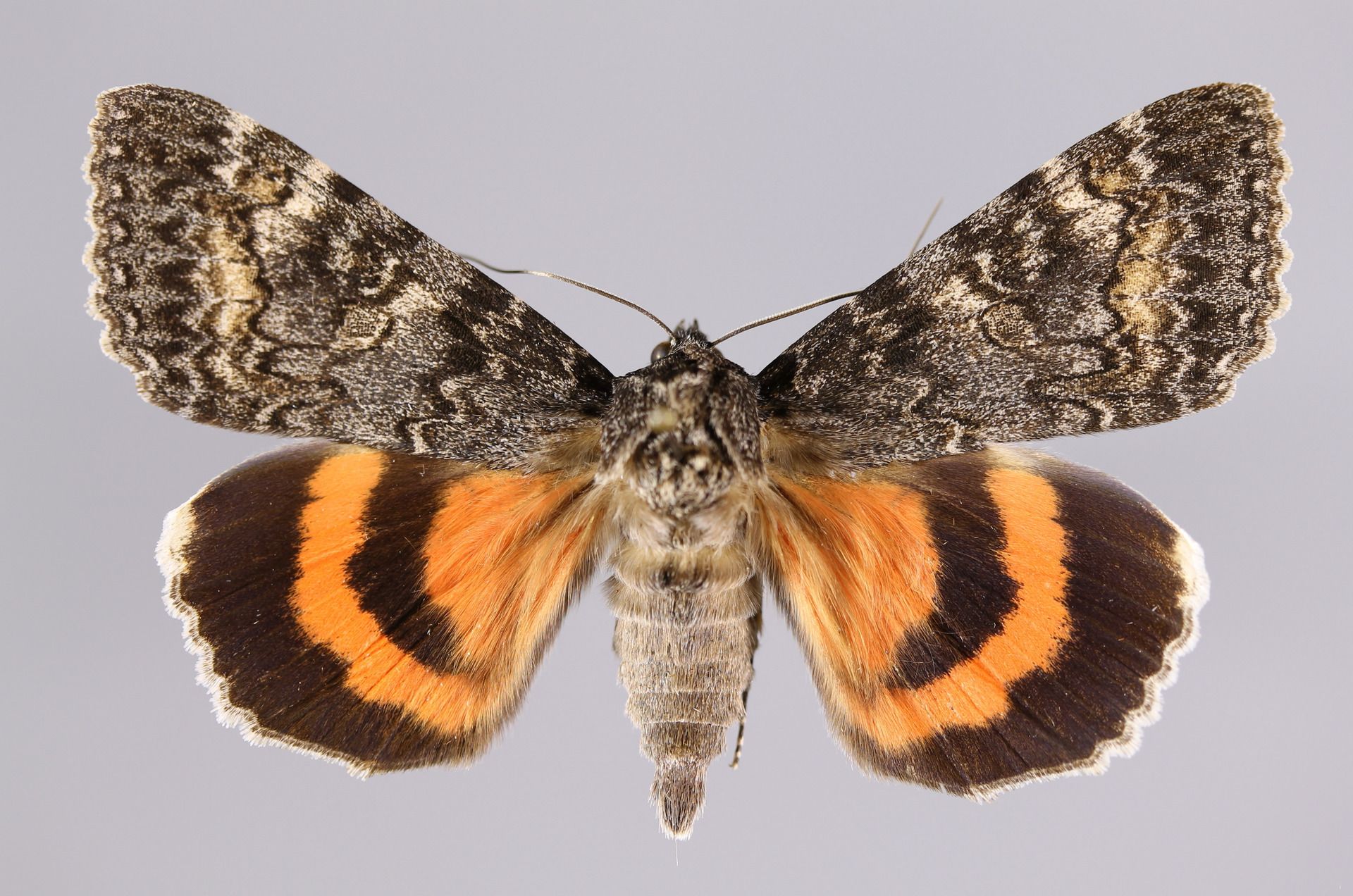
Catocala briseis is a medium-sized underwing in the Erebidae, distributed across the North American forest region. are active from July to September and possess the characteristic underwing : cryptic forewings that conceal brightly patterned hindwings. The was first described by William Henry Edwards in 1864.
Pronunciation
How to pronounce Catocala briseis: //kæˈtɔkələ braɪˈseɪɪs//
These audio files are automatically generated. While they are not always 100% accurate, they are a good starting point.
Identification
Distinguished from other Catocala by specific forewing pattern and hindwing coloration, though detailed diagnostic features require examination of specimens. The species name and "ribbed underwing" suggest structural differences in forewing venation or scaling. Separation from similar underwing species typically requires close examination of forewing markings and hindwing color patterns.
Images
Habitat
forest region; associated with plants Populus and Salix . Specific microhabitat preferences not detailed.
Distribution
North American forest region from Newfoundland to the Pacific coast; south to Massachusetts and Pennsylvania. Records from Canadian provinces including Alberta, Manitoba, and Saskatchewan, and US state of Vermont.
Seasonality
active July to September, with timing varying by location.
Diet
Larvae feed on Populus , including Populus tremuloides (quaking aspen), and Salix species (willows). feeding habits not documented.
Host Associations
- Populus tremuloides - larval quaking aspen
- Populus - larval level
- Salix - larval willow
Life Cycle
Complete with , larva, pupa, and stages. Larval stage feeds on plants. Specific details of site, stage, and other elements not documented in available sources.
Behavior
are . Like other underwing moths, adults typically rest with forewings folded over the body, concealing the brightly colored hindwings. When disturbed, they may flash hindwings as a startle defense. Attraction to light not explicitly documented for this , though underwing moths generally are not strongly attracted to lights and may remain on the periphery of light stations.
Ecological Role
Larva functions as a folivore on Populus and Salix. may serve as prey for and possibly as a , though specific ecological interactions not documented.
Human Relevance
Subject of interest to lepidopterists and enthusiasts. Participates in National Moth Week events as part of Catocala spotlight. No documented economic importance or pest status.
Similar Taxa
- Catocala epioneEpione Underwing, another member of Catocala with similar underwing and preferences in forested areas; distinguished by specific wing patterns
- Catocala amestrisAnother underwing in same , found in similar western North American ; separated by forewing and hindwing pattern details
- Catocala aholibahAholibah Underwing, similar large size and underwing coloration; distinguished by specific pattern elements on forewings and hindwings
Sources and further reading
- BugGuide
- Wikipedia
- GBIF taxonomy match
- iNaturalist taxon
- NCBI Taxonomy
- Catalogue of Life
- A Gathering of Lepidopterists: Who's Who of the Butterfly, Moth Experts | Bug Squad
- Got Moths? Celebrate National Moth Week and Global Citizen Science
- Bug Eric: National Moth Week Recap, 2015
- Bug Eric: National Moth Week Recap for Colorado Springs
- Bug Eric: National Moth Week 2024 Recap from Kansas City
- Bug Eric: New Mexico Night Bugs