
Apantesis incorrupta
(Edwards, 1881)
Immaculate Tiger Moth
Apantesis incorrupta is an arctiine tiger moth in the Erebidae, described by Henry Edwards in 1881. It occurs across the southwestern United States and Mexico, inhabiting grasslands and open woodlands. The produces two annually and is notable for research demonstrating larval self-medication using alkaloid compounds to combat . It was transferred from the Grammia to Apantesis in recent taxonomic revisions.
Pronunciation
How to pronounce Apantesis incorrupta: //əˈpæn.tə.sɪs ˌɪŋ.kəˈrʌp.tə//
These audio files are automatically generated. While they are not always 100% accurate, they are a good starting point.
Identification
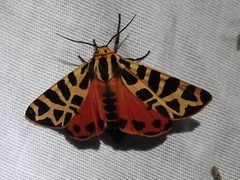
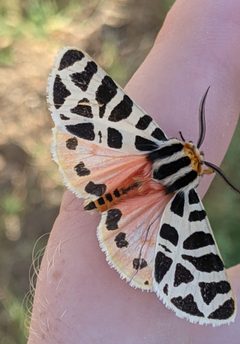
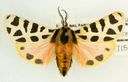
Distinguished from similar Apantesis and Grammia by combination of pink to yellowish pink hindwings and specific forewing pattern. Forewing length of approximately 18.6 mm provides a measurable character. Formerly classified in Grammia, now placed in Apantesis following molecular and morphological revision of the tiger moth complex.
Images
Appearance
Forewings measure approximately 18.6 mm in length. Hindwings are pink to yellowish pink in coloration. The exhibits the typical tiger moth pattern of contrasting light and dark markings on the forewings.
Habitat
Occupies grasslands and open woodlands. Associated with herbaceous vegetation supporting larval plants.
Distribution
Ranges from southern Colorado and southeastern Kansas southward through Arizona, New Mexico, and western Texas into Mexico. Western limit extends to southeastern California.
Seasonality
active from late April through early October. Two occur per year, with peak activity distributed across this extended period.
Diet
Larvae feed on a wide range of herbaceous flowering plants. Fallugia paradoxa (Apache plume) has been documented as a plant.
Host Associations
- Fallugia paradoxa - larval Apache plume, documented feeding record
Life Cycle
with two annually. Complete with , larva, pupa, and stages. stage not explicitly documented in available sources.
Behavior
Larvae have been observed to selectively consume alkaloid-laden leaves, a documented case of self-medication that reduces by internal parasitic fly larvae. This represents the first clear demonstration of self-medication among insects.
Ecological Role
Herbivore in grassland and open woodland . Larvae serve as for flies, with documented defensive chemical countermeasures. likely contribute to pollination through nectar feeding, though specific records are lacking.
Human Relevance
Subject of significant scientific research on insect self-medication and pharmacophagy. No documented economic importance as pest or beneficial . Attracted to ultraviolet light sources, making it accessible for citizen science monitoring.
Similar Taxa
- Grammia speciesFormerly classified in this ; share tiger moth and pink hindwings, but distinguished by specific wing pattern and genitalic characters supporting current generic placement
- Other Apantesis speciesCongeneric share overall tiger moth appearance with patterned forewings and colored hindwings; require detailed examination of genitalia or molecular data for definitive identification
More Details
Taxonomic History
Originally described as Arctia incorrupta by Edwards in 1881. Transferred to Grammia, then moved to Apantesis in 2016 following comprehensive revision by R. B. Schmidt and colleagues that consolidated Grammia, Holarctia, and Notarctia into an expanded Apantesis based on molecular phylogenetic and morphological evidence.
Self-Medication Research
Studies by Michael Singer and colleagues demonstrated that A. incorrupta larvae infected with tachinid flies preferentially ingest from plant sources. This increases survival of infected larvae by killing or inhibiting the parasitoid, representing a pharmacologically active response rather than passive plant .
Sources and further reading
- BugGuide
- Wikipedia
- GBIF taxonomy match
- iNaturalist taxon
- NCBI Taxonomy
- Catalogue of Life
- Bug Eric: National Moth Week 2021 Review
- Bug Eric: Remembering National Moth Week 2018
- Sphingidae | Beetles In The Bush | Page 2
- Bug Eric: October 2018
- The Moth and Me | Beetles In The Bush
- Saturniidae | Beetles In The Bush | Page 2