Tolype velleda
(Stoll, 1791)
Large Tolype Moth, Velleda Lappet Moth
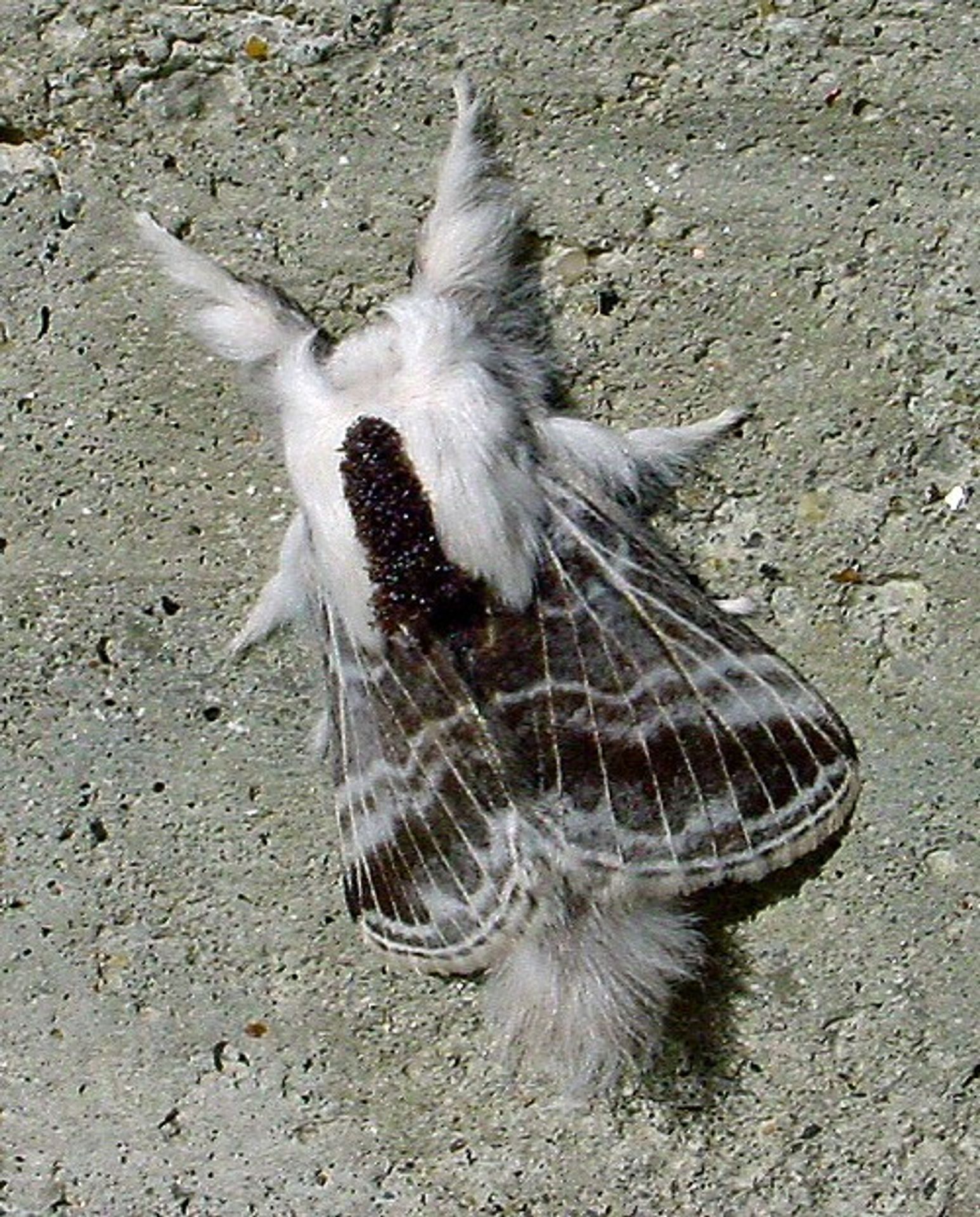
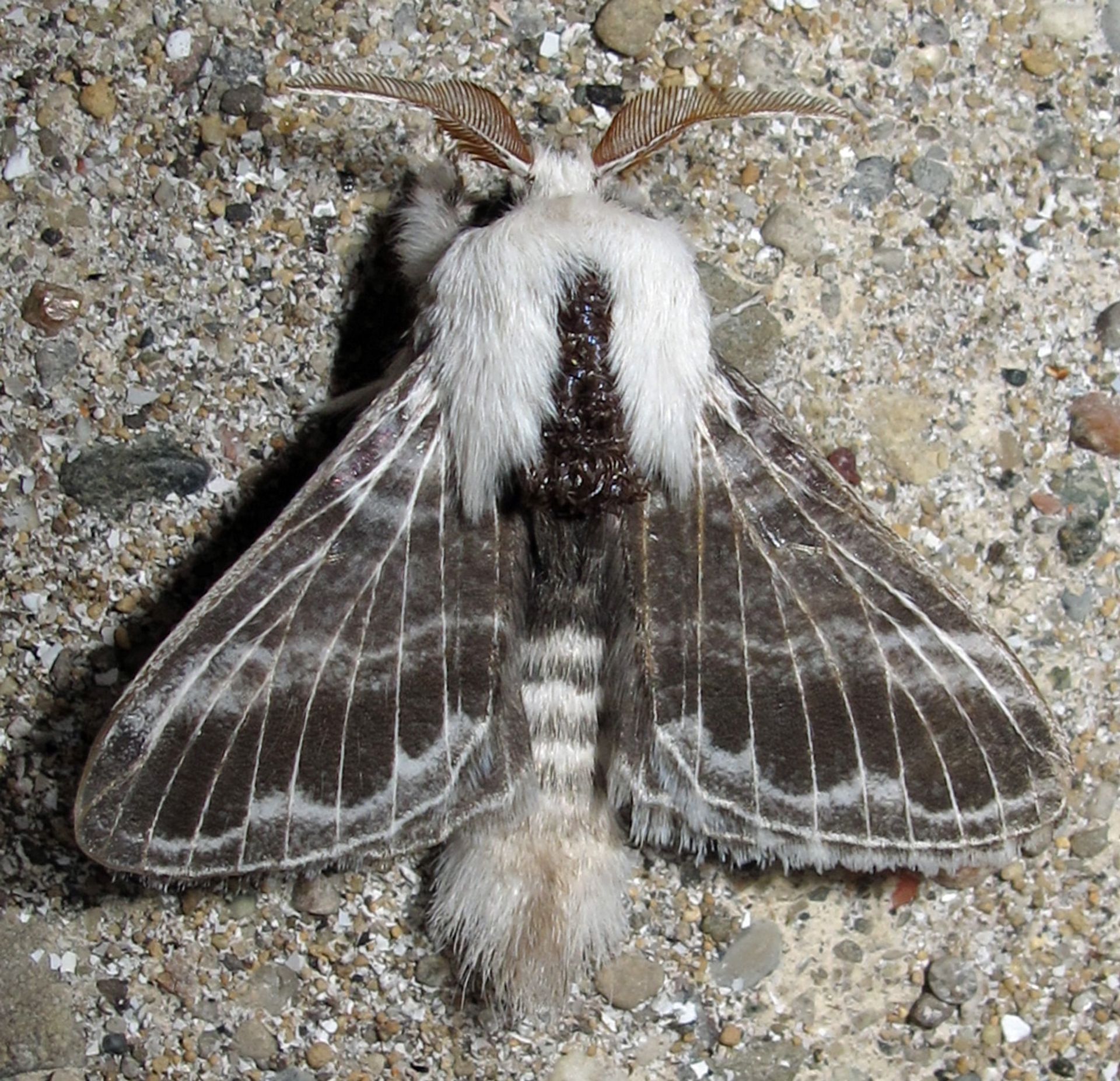
A medium-sized with broad, rounded wings. display dark gray forewings with distinct wavy transverse bands and white lines visible when wings are spread. Females are noticeably larger than males. The has a broad distribution across eastern North America with disjunct in western mountain ranges and the Mediterranean region. Single-brooded, with adults active from early summer through late autumn.
Pronunciation
How to pronounce Tolype velleda: /ˈtoʊlɪpi vɛlˈliːdə/
These audio files are automatically generated. While they are not always 100% accurate, they are a good starting point.
Identification
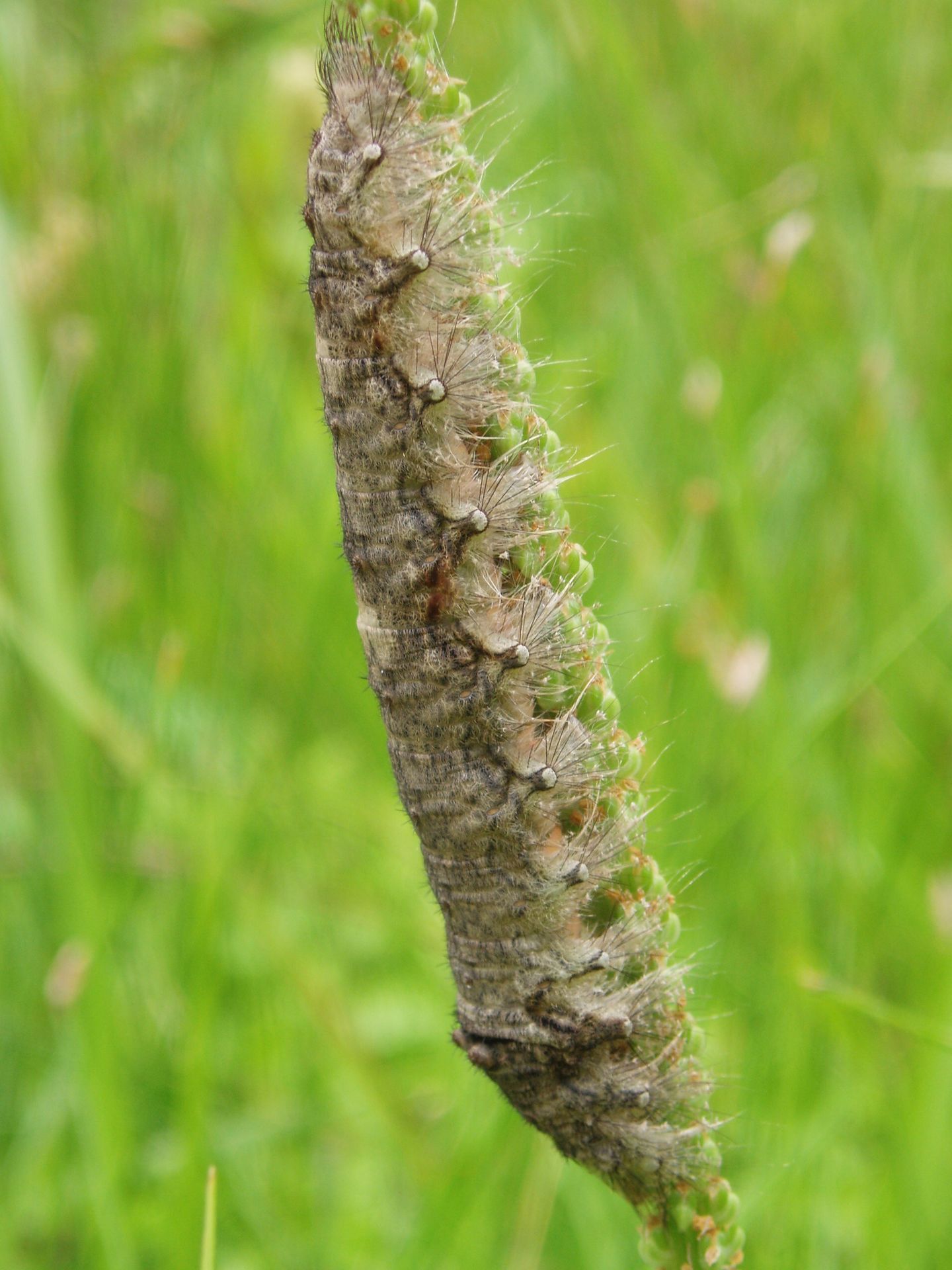
distinguished from other eastern North American Lasiocampidae by the combination of dark gray ground color, wavy transverse wing bands, and relatively late period (June–November). The white linear markings are most visible with wings spread. Larvae identified by the gray coloration and the presence of a flap in early instars. Similar in Tolype (e.g., T. laricis, the larch tolype) differ in association and typically show paler or more contrasting wing patterns.
Images
Habitat
Broadleaf forests and woodlands, suburban areas with ornamental trees, and low in Mediterranean . Associated with stands of preferred trees.
Distribution
Eastern North America: Nova Scotia to central Florida, west to Texas and north to Ontario. Disjunct western North American in California mountains. Palearctic: Iberian Peninsula (low and littoral areas) and North Africa from Egypt to Atlantic coast of Morocco.
Seasonality
: June to November, single . Larvae: June to August. Most active feeding occurs during summer months.
Diet
Larvae feed on leaves of broadleaf trees and shrubs: Malus (apple), Prunus (plum, cherry, apricot, almond), Fraxinus (ash), Populus (poplar), Tilia (basswood), Fagus (beech), Betula (birch), Quercus (oak), and Citrus.
Host Associations
- Malus - larval food plantapple
- Prunus - larval food plantplum, cherry, apricot, almond
- Fraxinus - larval food plantash
- Populus - larval food plantpoplar
- Tilia - larval food plantbasswood
- Fagus - larval food plantbeech
- Betula - larval food plantbirch
- Quercus - larval food plantoak
- Citrus - larval food plant
Life Cycle
. deposited on leaves of plants. Larvae feed through summer, with flap present in early instars and lost at maturity. presumably in soil or leaf litter (not explicitly documented). emerge June–November.
Behavior
are and attracted to light. Larvae are external leaf feeders.
Ecological Role
Larval defoliator of broadleaf trees; levels typically insufficient to cause significant economic damage. Serves as prey for .
Human Relevance
Minor occasional pest of fruit trees (apple, plum, cherry, apricot, almond, citrus) and ornamental broadleaf trees. Not considered a significant agricultural pest.
Similar Taxa
- Tolype laricisLarch tolype; differs in primary association with Larix (larch) rather than broadleaf trees, and typically shows paler wing coloration with more contrasting pattern elements.
- Other LasiocampidaeEastern tent caterpillar (Malacosoma americanum) and fall webworm (Hyphantria cunea) differ in larval social (tent/web construction) and wing shape and pattern.
More Details
Disjunct Distribution
The presence of T. velleda in both eastern North America and the western Mediterranean/North Africa, with a gap across the central and western United States (except California mountains), represents an unusual transatlantic disjunction. The California may represent a separate introduction or relictual distribution.
Oviposition
are laid individually on leaves of plants rather than in masses.