
Thera
Stephens, 1831
Species Guides
4- Thera contractata(Contracted Spanworm)
- Thera juniperata(Juniper Carpet)
- Thera latens
- Thera otisi
Thera is a of in the Geometridae, Larentiinae, established by Stephens in 1831. The genus comprises numerous distributed primarily across the Northern Hemisphere. Thera moths are small to medium-sized geometrids with relatively broad wings and cryptic coloration patterns. Larvae typically feed on coniferous trees, making several species economically significant as forest pests.
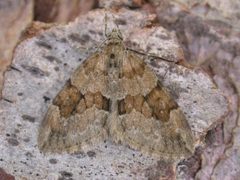
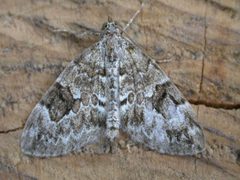
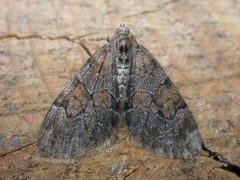
Pronunciation
How to pronounce Thera: /ˈθɛrə/
These audio files are automatically generated. While they are not always 100% accurate, they are a good starting point.
Identification
Thera can be distinguished from similar Larentiinae by the combination of broad forewings with relatively simple venation, prominent labial palps, and characteristic wing pattern with transverse lines. Differs from Eupithecia (pug moths) by larger size and broader wings. Separated from Operophtera and related genera by presence of areole in forewing and different male genitalia structure. -level identification often requires examination of genitalia or larval plant association.
Images
Habitat
Coniferous and mixed forests; strongly associated with pine (Pinus), spruce (Picea), and fir (Abies) stands. Occurs from lowland to montane elevations, with distribution tracking tree ranges. Larval on foliage and shoots of coniferous trees.
Distribution
Holarctic distribution, with greatest diversity in the Palearctic region. Present across Europe, Asia, and North America. Individual ranges often correspond to distributions of specific conifer trees.
Seasonality
typically active from late spring through summer, with peak periods varying by and latitude. Most species , with single per year. stage usually larval, occasionally as pupa.
Diet
Larvae feed on coniferous trees, primarily Pinaceae. Recorded plants include Pinus (pines), Picea (spruces), Abies (firs), and Larix (larches). Some show strong host specificity, while others are more within conifers. do not feed.
Host Associations
- Pinus - larval food plantprimary for many
- Picea - larval food plantsignificant for several
- Abies - larval food plant for some
- Larix - larval food plantoccasional
Life Cycle
Holometabolous development with complete . laid on plant foliage or shoots. Larvae feed externally on needles, shoots, or buds; some mine needles or feed in cones. occurs in soil or leaf litter. typically as larva, with pupation in spring and shortly thereafter.
Behavior
, attracted to light. Larvae generally solitary feeders. Some exhibit periodic resulting in defoliation of trees. Adults relatively weak fliers, with limited capacity.
Ecological Role
Larvae function as primary consumers in coniferous forest . During , can significantly impact forest productivity and tree health. Serve as prey for various insectivorous birds, , and .
Human Relevance
Several are forest pests of economic importance, particularly when larval reach levels. Notable pest species include Thera britannica (spruce carpet) and related that can cause defoliation of plantation and native conifer stands. Monitoring and management sometimes required in commercial forestry operations.
Similar Taxa
- EupitheciaSimilar Larentiinae but differs in smaller size, narrower wings, and more delicate build; larvae typically feed on angiosperms rather than conifers
- OperophteraSimilar conifer-feeding geometrids but differ in forewing venation (areole absent) and male genitalia structure; often have reduced mouthparts
- PareulypeOverlapping distribution and use; distinguished by wing pattern details and genitalia
More Details
Taxonomic complexity
boundaries within Thera have been subject to revision, with some formerly recognized as distinct now treated as synonyms or . Molecular phylogenetic studies continue to clarify relationships within the and its placement relative to other Larentiinae.
Forest pest status
dynamics of Thera are influenced by forest composition, climate, and natural enemy . Damage potential varies with tree vigor and stand age structure.
Sources and further reading
- BugGuide
- iNaturalist taxon
- NCBI Taxonomy
- Catalogue of Life
- Could Bee Sting Therapy Possibly Have a Role in COVID-19 Treatment? | Bug Squad
- Growing Interest in Bee Sting Therapy Research as a Possible COVID-19 Treatment? | Bug Squad
- Bruce Hammock: From Researching Insects to Helping Humankind | Bug Squad
- Did You Miss the UC Davis-Based COVID-19 Symposium? | Bug Squad
- Bruce Hammock: From ResearchIng Insect Science to Researching Autism and Schizophrenia | Bug Squad
- Harvard, UC Davis and Ionova Researchers: Hammock Lab Drug May Help Pancreatic and Liver Cancer Patients | Bug Squad
- Thera-Build and Simple Cognitive Behavioural Therapy
- Effect of exercise therapy and self-management support on multimorbidity: Secondary analysis of the MOBILIZE trial.