
Thera otisi
(Dyar, 1904)
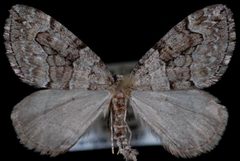
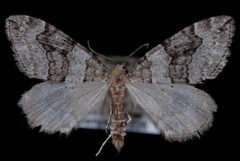
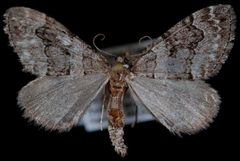
Thera otisi is a of geometrid first described by Dyar in 1904. It belongs to the Larentiinae, a diverse group of carpet moths. The species is recorded from North America, with confirmed observations from Alberta, Canada. Like other members of the Thera, it is likely associated with coniferous , though specific ecological details remain poorly documented.
Pronunciation
How to pronounce Thera otisi: /ˈθɛɹə ˈoʊtɪsaɪ/
These audio files are automatically generated. While they are not always 100% accurate, they are a good starting point.
Identification
Thera otisi can be distinguished from related Thera by genitalia examination. The Thera is characterized by relatively small size, typically with forewings showing intricate brown, gray, or reddish patterns with distinct transverse lines. Species-level identification within Thera generally requires microscopic examination of male genitalia structures, particularly the shape of the valva and . The MONA ( of North America) Hodges number 7219 provides a standardized reference for this species in North American faunal works.
Images
Distribution
North America. Confirmed records include Alberta, Canada. The full extent of its range within North America is not well documented.
Similar Taxa
- Thera cupressataSimilar conifer-associated preference and wing pattern; distinguished by genitalia and geographic distribution in Europe rather than North America
- Thera juniperataOverlapping size range and general appearance; distinguished by plant specificity and subtle differences in wing pattern and genitalia
More Details
Taxonomic History
Originally described as Mesoleuca otisi by Dyar in 1904, later transferred to the Thera. The basionym Mesoleuca otisi reflects historical classification within a now-restricted genus.
Nomenclature
The specific epithet 'otisi' likely honors an individual, though the etymology has not been explicitly documented in available sources. The MONA Hodges number 7219 facilitates identification in North American inventories.
Research Status
This has received limited focused study. Most available information derives from taxonomic catalogs and collection records rather than dedicated ecological or behavioral research.
Sources and further reading
- BugGuide
- Wikipedia
- GBIF taxonomy match
- iNaturalist taxon
- NCBI Taxonomy
- Catalogue of Life
- Could Bee Sting Therapy Possibly Have a Role in COVID-19 Treatment? | Bug Squad
- Growing Interest in Bee Sting Therapy Research as a Possible COVID-19 Treatment? | Bug Squad
- Bruce Hammock: From Researching Insects to Helping Humankind | Bug Squad
- Did You Miss the UC Davis-Based COVID-19 Symposium? | Bug Squad
- Bruce Hammock: From ResearchIng Insect Science to Researching Autism and Schizophrenia | Bug Squad
- Harvard, UC Davis and Ionova Researchers: Hammock Lab Drug May Help Pancreatic and Liver Cancer Patients | Bug Squad