
Pristiphora
Latreille, 1810
Species Guides
13- Pristiphora abbreviata(Pear Tree Sawyer)
- Pristiphora appendiculata(Small Gooseberry Sawyer)
- Pristiphora banksi
- Pristiphora bivittata
- Pristiphora chlorea
- Pristiphora cincta(Banded Sawyer)
- Pristiphora erichsonii(Larch Sawfly)
- Pristiphora geniculata(mountain ash sawfly)
- Pristiphora litura
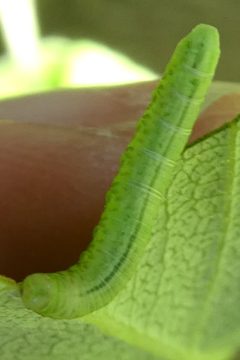
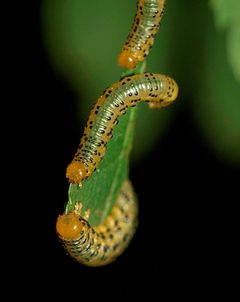
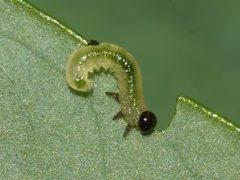
Pristiphora is a of in the Tenthredinidae. within this genus are known for their larval feeding on leaves of various plants, with some species causing significant economic damage to trees and shrubs. The genus includes notable pests such as the larch sawfly (Pristiphora erichsonii), which defoliates tamarack and other larch species. are small, dark-colored -like insects with two pairs of wings.
Pronunciation
How to pronounce Pristiphora: //ˌprɪs.tɪˈfɔː.rə//
These audio files are automatically generated. While they are not always 100% accurate, they are a good starting point.
Identification
are small, dark-colored insects resembling tiny or flies. Key distinguishing features include two pairs of membranous wings (placing them in Hymenoptera rather than Diptera), and females possess a saw-like ovipositor used to cut plant tissue for insertion. Larvae are caterpillar-like with black and six or more pairs of (distinguishing them from lepidopteran caterpillars, which have five or fewer pairs).
Images
Habitat
Found in a variety of where plants occur, including forests, gardens, and landscapes. Specific habitat associations depend on host plant distribution.
Distribution
occur across the Northern Hemisphere. The columbine (Pristiphora rufipes) is non-native to North America, first detected in Canada in 1963, now ranging from the eastern seaboard to the Rocky Mountains. The larch sawfly (Pristiphora erichsonii) occurs in North America, Europe, and Asia.
Seasonality
Activity patterns vary by and latitude. In northern regions, some species produce one annually; in warmer areas, multiple generations may occur. The columbine in Maryland produces at least two generations, with activity beginning when new columbine foliage appears in spring.
Diet
Larvae feed on leaves of plants. Specific host associations include: larch (Larix) for P. erichsonii, columbine (Aquilegia) for P. rufipes. feed on nectar, pollen, and other small insects.
Host Associations
- Larix laricina - tamarack/eastern larch; defoliated by P. erichsonii
- Aquilegia - columbine; defoliated by P. rufipes
Life Cycle
Females use their saw-like ovipositor to cut slits in leaves or stems and insert . Larvae hatch and feed externally on leaf tissue. When mature, larvae drop to the soil and spin brown cocoons to pupate. Some have one per year in northern climates; others have two or more generations in warmer regions.
Behavior
are active fliers. Females exhibit precise -finding to locate suitable oviposition sites. Larvae feed gregariously and can completely defoliate host plants when are high.
Ecological Role
Larvae function as herbivores that can significantly reduce plant foliage. May serve as prey for birds and other . Some act as forest pests that influence tree health and forest composition.
Human Relevance
Several are economically significant pests. Pristiphora erichsonii (larch ) is a serious defoliator of tamarack and other larches, capable of causing extensive tree mortality. Pristiphora rufipes (columbine sawfly) damages ornamental columbines in gardens. Management includes hand-picking larvae, , and targeted applications.
Similar Taxa
- Macremphytus tarsatusdogwood sawfly; similar larval appearance and but feeds on dogwood rather than larch or columbine
- Atomacera deceptamallow sawfly; similar and larval form but associated with hibiscus and mallow plants
- Endelomyia aethiopsroseslug sawfly; similar larval habit of skeletonizing leaves but restricted to Rosa