
Pristiphora abbreviata
(Hartig, 1837)
Pear Tree Sawyer
Pristiphora abbreviata is a in the Tenthredinidae, commonly known as the Pear Tree Sawyer. Sawflies are primitive in the suborder , distinguished from higher wasps by the absence of a narrow waist between and . Females possess a saw-like ovipositor used to insert into plant tissue. The species has been documented in Canada (British Columbia, Ontario), Denmark, and Norway.
Pronunciation
How to pronounce Pristiphora abbreviata: /ˌprɪstɪˈfɔːrə ˌæbriˈvaɪətə/
These audio files are automatically generated. While they are not always 100% accurate, they are a good starting point.
Identification
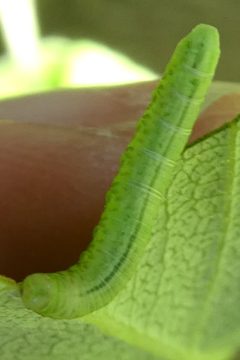
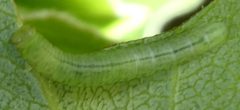
As a member of Tenthredinidae, P. abbreviata can be distinguished from true flies (Diptera) by having two pairs of membranous wings rather than one. larvae resemble caterpillars but possess six or more pairs of abdominal (caterpillars have five or fewer pairs), and their prolegs lack the hook-like found on caterpillar prolegs. sawflies lack the constricted waist characteristic of higher Hymenoptera (). Specific identification features for P. abbreviata are not well documented in available sources.
Images
Distribution
Canada (British Columbia, Ontario), Denmark, and Norway. GBIF records indicate presence in these regions.
Host Associations
- Pyrus - larval 'Pear Tree Sawyer' suggests association with pear trees, though specific documentation is limited
Behavior
Females use a saw-like ovipositor to cut into plant tissue and deposit . This is a characteristic of Tenthredinidae .
Similar Taxa
- Pristiphora rufipesCongeneric columbine sawfly with similar and appearance; both are in Pristiphora and feed on woody plants
- Other Tenthredinidae sawfliesShare primitive with two pairs of wings and lack of constricted waist; many have similar saw-like ovipositors and larval feeding habits on woody plants
More Details
Taxonomic note
Pristiphora is a large of with many associated with trees and shrubs. The 'Pear Tree Sawyer' appears to be used primarily on iNaturalist and may reflect larval feeding on pear (Pyrus), though this association requires verification from primary literature.