
Helorus
Latreille, 1802
Species Guides
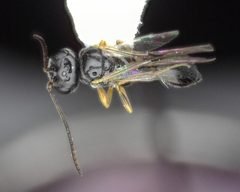
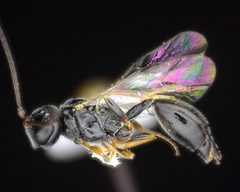
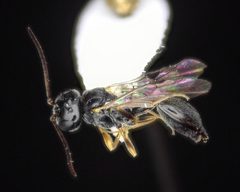
2Helorus is a of small comprising the Heloridae (Hymenoptera: Proctotrupoidea). The genus contains approximately 18 extant that are endoparasitoids of chrysopid larvae (Chrysopidae, Neuroptera). Species are rarely collected and poorly known biologically, with most records coming from incidental captures in , sweep netting, and light traps. Recent integrative taxonomic work using has helped resolve species boundaries, particularly in Europe where five species have been confirmed.
Pronunciation
How to pronounce Helorus: //hɛˈloʊ.rʊs//
These audio files are automatically generated. While they are not always 100% accurate, they are a good starting point.
Identification
Helorus are small (exact size range not specified in sources) distinguished from other Proctotrupoidea by -level characters. European species can be separated using morphological features detailed in updated identification keys; H. coruscus was reinstated as valid separate from H. ruficornis based on combined molecular and morphological data. No specific distinguishing features for the relative to other helorid genera are provided in the available sources (the family contains only this single genus).
Images
Habitat
Associated with supporting chrysopid : meadows, forest edges, grasslands, and areas with rich vegetation. Specific collection records include cow meadows adjacent to beech forest, dry grassland, and similar semi-open environments. are rarely encountered, suggesting either low abundance or cryptic activity patterns.
Distribution
across all major zoogeographic regions, with greatest in the Palaearctic. Documented from Europe (Germany, Belgium, Estonia, UK), Asia (Türkiye, Iran, Japan, Korea, China, Indonesia, New Guinea), Africa (various Afrotropical regions), and the Americas (Brazil, Honduras, Guatemala). In Europe, five confirmed: H. anomalipes, H. coruscus, H. nigripes, H. ruficornis, and H. striolatus. H. brethesi is the only species recorded from the Neotropics.
Host Associations
- Chrysopidae larvae - endoparasitoidPrimary ; larvae of green lacewings and relatives
- Chrysopinae - endoparasitoid of Chrysopidae
- Chrysopa species - endoparasitoidSpecific within Chrysopidae
Life Cycle
Endoparasitoid development: larva develops inside larva, kills host after spinning cocoon, pupates within host cocoon, and emerges from host cocoon. Specific timing of developmental stages not documented.
Behavior
are rarely collected, suggesting either low densities, highly specific activity periods, or cryptic . No mating or foraging behaviors described in available sources.
Ecological Role
agent as specialized of chrysopid larvae. -level impacts on lacewing unknown.
Human Relevance
No direct economic importance documented. Potential value in contexts due to of chrysopids, which are themselves of agricultural pests. Academic interest due to rarity and taxonomic challenges.
Similar Taxa
- Other Proctotrupoidea familiesHeloridae is morphologically distinguished within Proctotrupoidea; -level characters separate it from related groups such as Proctotrupidae and Vanhorniidae, though specific diagnostic features not detailed in available sources
More Details
Taxonomic history
European boundaries were historically uncertain due to reliance on alone. Recent integrative taxonomic work (2024) combining with morphological analysis resolved ambiguities, particularly reinstating Helorus coruscus as a valid species distinct from H. ruficornis.
Collection challenges
Despite widespread geographic distribution, Helorus are among the most rarely collected Hymenoptera. This rarity may reflect genuine low abundance, highly specialized requirements, or failure of standard collecting methods to capture active .
Sources and further reading
- BugGuide
- Wikipedia
- iNaturalist taxon
- NCBI Taxonomy
- Catalogue of Life
- Discovery of Helorus brethesi Oglobin, 1928 (Hymenoptera, Heloridae) in Honduras and Guatemala
- New evidence on the identity of the European Helorus species (Hymenoptera, Proctotrupoidea, Heloridae)
- A Remarkable Record of Little-Known Parasitoid Wasp Helorus striolatus (Hymenoptera: Heloridae) from Türkiye with A Global Checklist of the this Family