Perithous
Holmgren, 1859
Species Guides
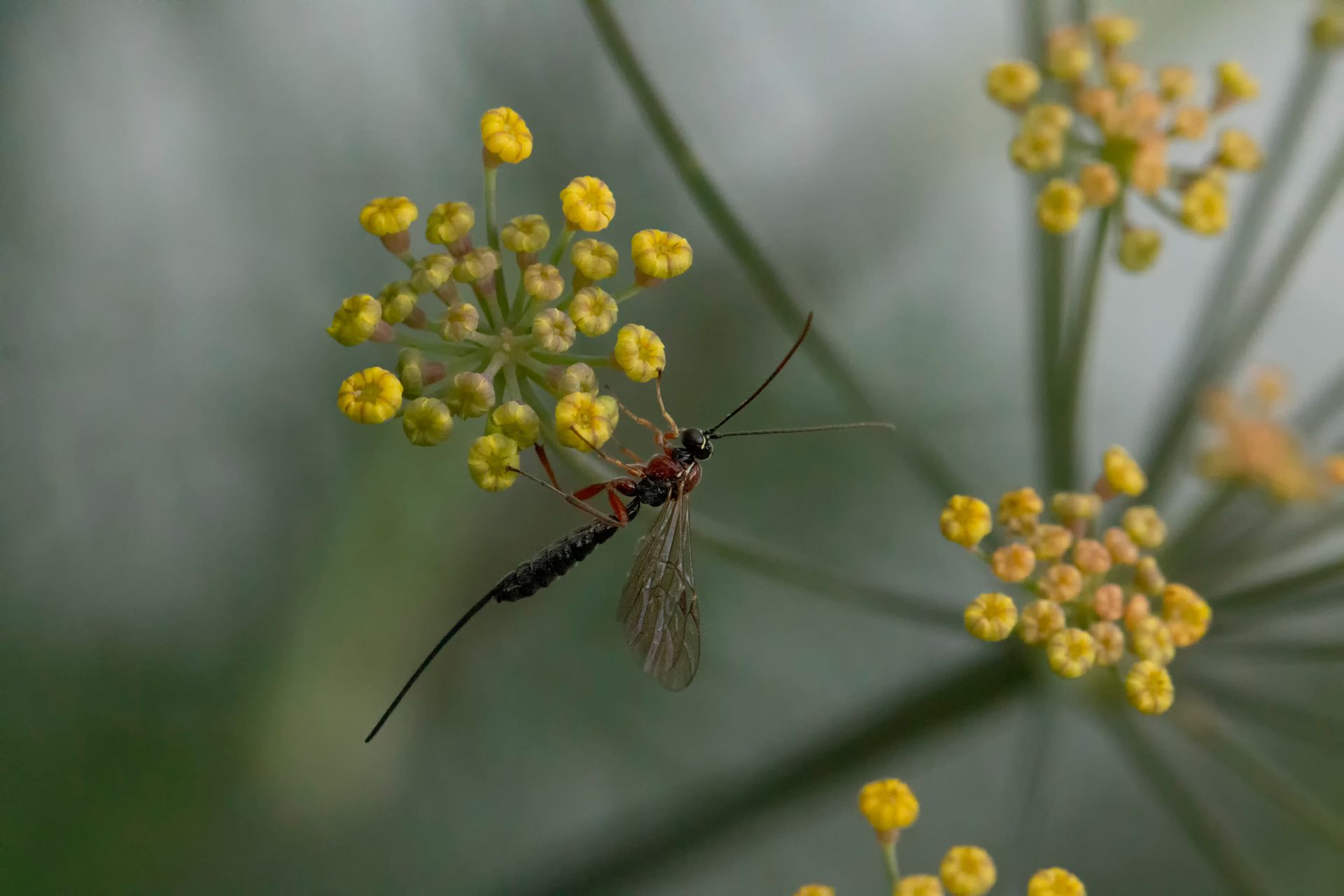
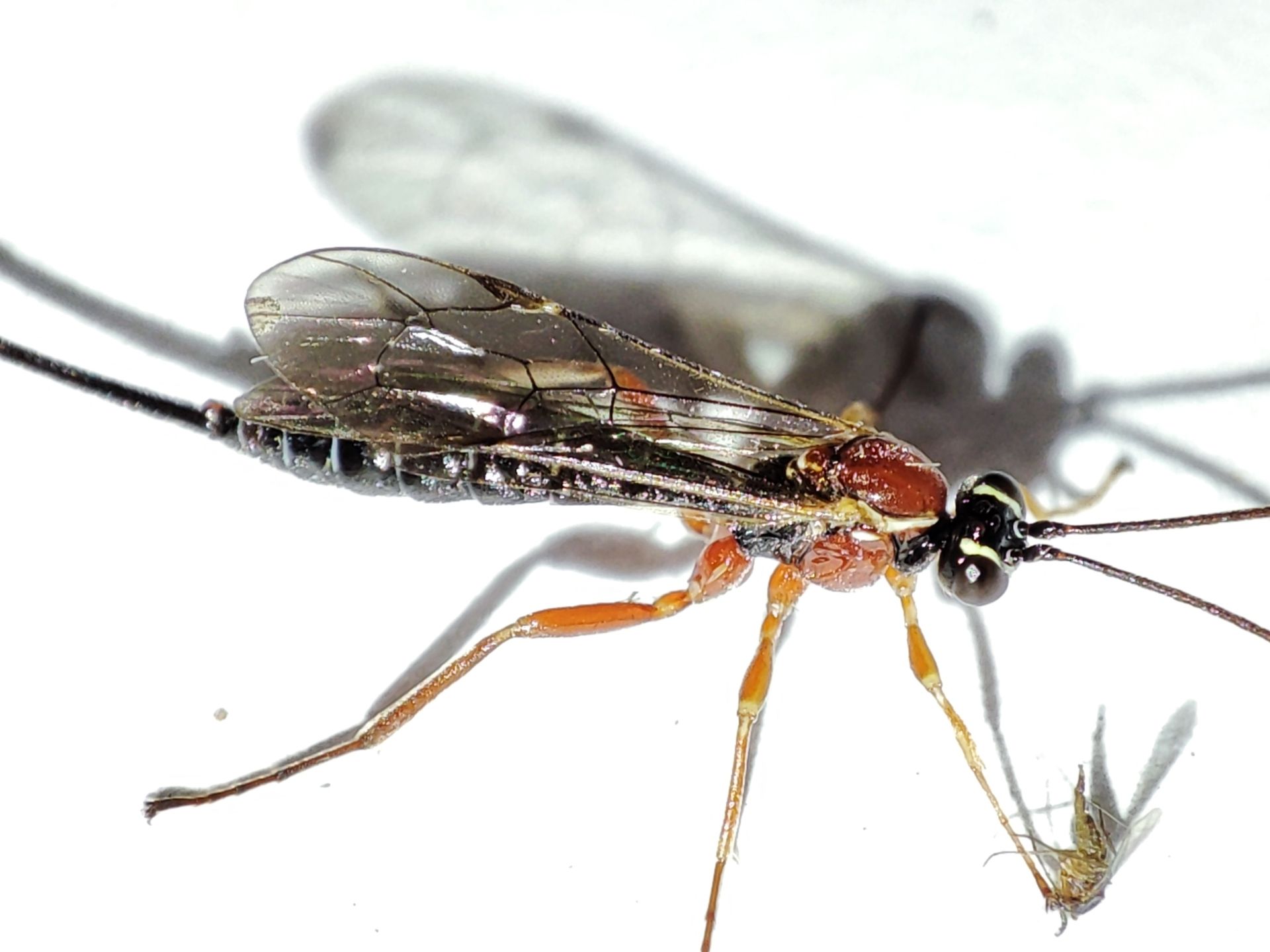
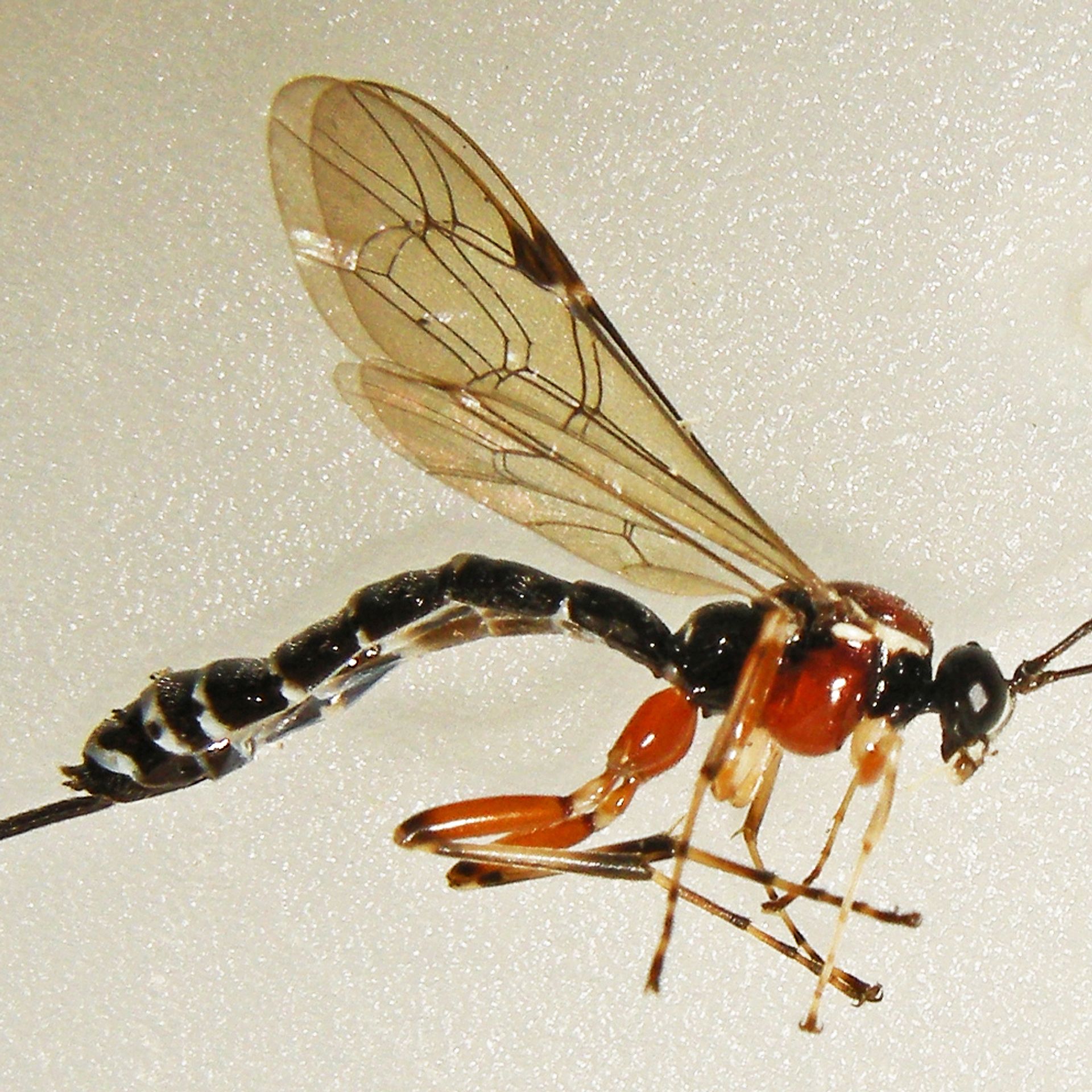
3Perithous is a of ichneumonid wasps in the Pimplinae, tribe Perithoini. are relatively large , approximately 12 mm in fore wing length, with long ovipositors. The genus is characterized by mature larvae having maxillary and labial palpi with more than two . Perithous species are idiobiont ectoparasitoids of solitary stem-nesting apoid , attacking larvae in their nests and feeding externally.
Pronunciation
How to pronounce Perithous: //ˈpɛr.ɪ.ˌθuːs//
These audio files are automatically generated. While they are not always 100% accurate, they are a good starting point.
Identification
Distinguished from similar pimpline by larval characters: mature larvae have maxillary and labial palpi with more than two . Final instar larvae can be differentiated from other Perithous by presence/absence of spinules on tegument, number and arrangement of setae on cranial and mouthparts, and degree of epistoma development. recognized by combination of large size, long ovipositor, and black coloration with yellow facial markings.
Images
Habitat
Associated with woodland where solitary stem-nesting apoid occur. Nests within pre-existing cavities in wood, hollow stems, or tunnels through pith of broken twigs or berry canes created by wasps.
Distribution
Palaearctic region, extending as far east as Japan. In Britain, first recorded from England in 1997 as a recent colonist, subsequently spreading across much of southern England and reaching Yorkshire by 2004. GBIF records from Denmark, Norway, and Sweden.
Diet
Idiobiont ectoparasitoid feeding externally on larvae of solitary stem-nesting apoid . Perithous larvae have been observed to consume other larvae that previously attacked the same .
Host Associations
- Ectemnius - relatively large Crabronidae of this are known
- solitary stem-nesting apoid wasps - general group; larvae attacked in their nests
- other parasitoid larvae - prey/consumed by Perithous larvae when co-occurring on same
Life Cycle
Complete . Final instar larvae described; pupates after larval development. Female attacks larvae in their nests, permanently paralyzes host, and lays for external feeding. Multiple may be created in linear or branching tunnels.
Behavior
Females hunt larvae in their colonies, plucking them from stems and leaves, stinging them into permanent paralysis, and transporting them back to nest. Females create partitions of chewed plant pith or sawdust to close completed and form base of next cell; partitions can exceed 25 mm in thickness, possibly to deter . Females have been observed guarding nest entrances to chase off potential parasites or competitors. Males wait outside nest tunnels to mate with emerging females.
Ecological Role
controlling of solitary stem-nesting apoid . Member of Pimplinae tribe Perithoini, which are almost exclusively parasitoids of other Hymenoptera. Competes with small carpenter bees (Ceratina spp.) for nesting sites.
Human Relevance
Subject of sequencing as part of Darwin Tree of Life project. Artificial nesting blocks with small-diameter holes can attract related , though Perithous itself is not commercially reared. Occasionally mistaken for pest indoors, though these wasps are solitary and do not nest in buildings.
Similar Taxa
- ZatypotaBoth pimpline ichneumonids with similar larval ; distinguished by stipital expansion at lateral end and differences in setae arrangement on cranial sclerites and mouthparts in final instar larvae
- PemphredonBoth associated with stem-nesting and /; Pemphredon are small Crabronidae that prey on aphids and are for Perithous, which are larger ichneumonid with different
- OmalusTiny cuckoo wasps that parasitize nests of aphid wasps including Pemphredon; much smaller and different (Chrysididae) than Perithous
More Details
Genome sequencing
Perithous albicinctus represents first assembly for the , produced as part of Darwin Tree of Life project from specimen collected in Wytham Woods, Oxfordshire, UK. Specimen collected by sweeping vegetation in June 2021.
Larval morphology
of final instar larvae of P. septemcinctorius, P. divinator, and P. scurra can be differentiated by multiple characters including spinule presence on tegument, and seta patterns, epistoma development, and differentiation.
Parasite defense
Thick nest partitions (>25 mm) and nest guarding may have evolved in response to diverse including ichneumonids (Perithous mediator), bee flies (Anthrax irroratus), satellite flies (Senotainia trilineata), and cuckoo wasps (Omalus spp.).
Sources and further reading
- BugGuide
- GBIF taxonomy match
- iNaturalist taxon
- NCBI Taxonomy
- Catalogue of Life
- Bug Eric: Aphid Killers: Pemphredon Wasps
- Descriptions of the Final Instar Larvae of Perithous septemcinctorius, Zatypota bohemani and Z. gracilis (Hymenoptera: Ichneumonidae: Pimplinae)
- The genome sequence of an ichneumonid wasp, Perithous albicinctus (Gravenhorst, 1829) (Hymenoptera: Ichneumonidae).