
Perithous divinator
(Rossi, 1790)
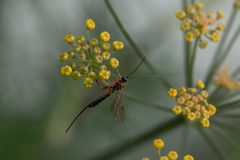
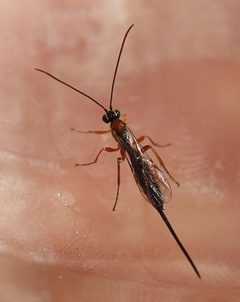
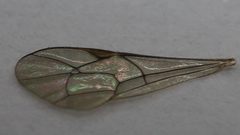
Perithous divinator is a of ichneumonid first described by Rossi in 1790. It belongs to the Perithous, a group of wasps within the Ichneumonidae. The species is known from Europe, with confirmed records in Belgium and Denmark. Limited biological information is available for this specific species.
Pronunciation
How to pronounce Perithous divinator: //pɛˈɹɪθuːs dɪˈvɪneɪtər//
These audio files are automatically generated. While they are not always 100% accurate, they are a good starting point.
Identification
Final instar larvae of Perithous divinator can be distinguished from P. scurra and P. septemcinctorius by specific larval characters: presence or absence of spinules on the tegument, on the antennal orbit and cardo, seta on the part of the stipital , number of setae on the , , and postlabium, degree of development of the epistoma, and differentiation of the and salivary orifice. The maxillary and labial palpi bear more than two sensilla.
Images
Distribution
Recorded from Belgium (including Brussels-Capital Region, Flemish Region, and Walloon Region) and Denmark.
Similar Taxa
- Perithous scurraLarval distinguished by differences in tegument spinules, antennal orbit , cardo sensillum, stipital setae, labral and clypeal setae number, epistoma development, and differentiation.
- Perithous septemcinctoriusLarval distinguished by differences in tegument spinules, antennal orbit , cardo sensillum, stipital setae, labral and clypeal setae number, epistoma development, and differentiation.
More Details
Taxonomic Note
The original description was published as Ichneumon divinator by Rossi in 1790. The is currently classified in the Perithous within the Ichneumonidae.