
Colpotrochia
Holmgren, 1856
Species Guides
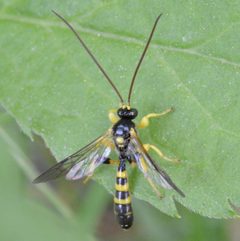
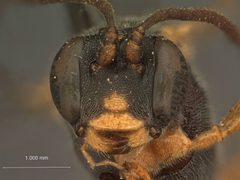
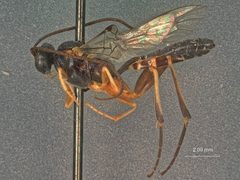
4Colpotrochia is a of ichneumon wasps in the Metopiinae, containing at least 61 described . These small , averaging 6–10 mm in body length, are larval-pupal endoparasitoids of Lepidoptera. Females use a short ovipositor to lay in caterpillars, with wasps emerging from the pupa rather than the . The genus has been recorded from North America, Brazil, and Europe.
Pronunciation
How to pronounce Colpotrochia: //kɔlpoʊˈtroʊkiə//
These audio files are automatically generated. While they are not always 100% accurate, they are a good starting point.
Identification
Members of Colpotrochia can be distinguished from other ichneumon by their placement in Metopiinae, characterized by a short ovipositor used to oviposit into concealed . North American include C. crassipes and C. trifasciata, which range from the Atlantic coast to barely west of the Mississippi River. For subfamily-level identification of ichneumons, specialized keys distinguishing ichneumonids from braconids are required.
Images
Habitat
Atlantic semi-deciduous forest at 1,187 m elevation in Brazil; North American found in eastern United States. Specific microhabitat associations include areas near outdoor lights where have been observed at night.
Distribution
North America: Atlantic coast to barely west of the Mississippi River, including Massachusetts. Brazil: São Paulo, Jundiaí (Reserva Biológica da Serra do Japi). Europe: Denmark, Norway, Sweden.
Host Associations
- Tortricidae (Lepidoptera) - leafroller caterpillars, especially in North America
- Opisthoxia farantes (Geometridae) - first record of Geometridae for ; larva collected feeding on Myrsine umbellata (Primulaceae)
Life Cycle
Larval-pupal endoparasitoid: laid in caterpillar, larva consumes from within, and emerges from host pupa. Development from host to approximately 31 days. Solitary parasitoid: one individual emerges per host. Parasitoid remains within host pupa for extra protection until emergence, due to fragile cocoons typical of Metopiinae.
Behavior
attracted to lights at night. Aposematic coloration (yellow-black pattern) observed in at least one .
Ecological Role
agent of lepidopteran defoliators, particularly tortricid leafrollers.
Similar Taxa
- Other Metopiinae generaSimilar short ovipositor and larval-pupal ; require specialized keys for differentiation.
- BraconidaeSuperficially similar ; distinguished by wing venation and other morphological characters detailed in ichneumonid identification keys.