Cremastinae
Genus Guides
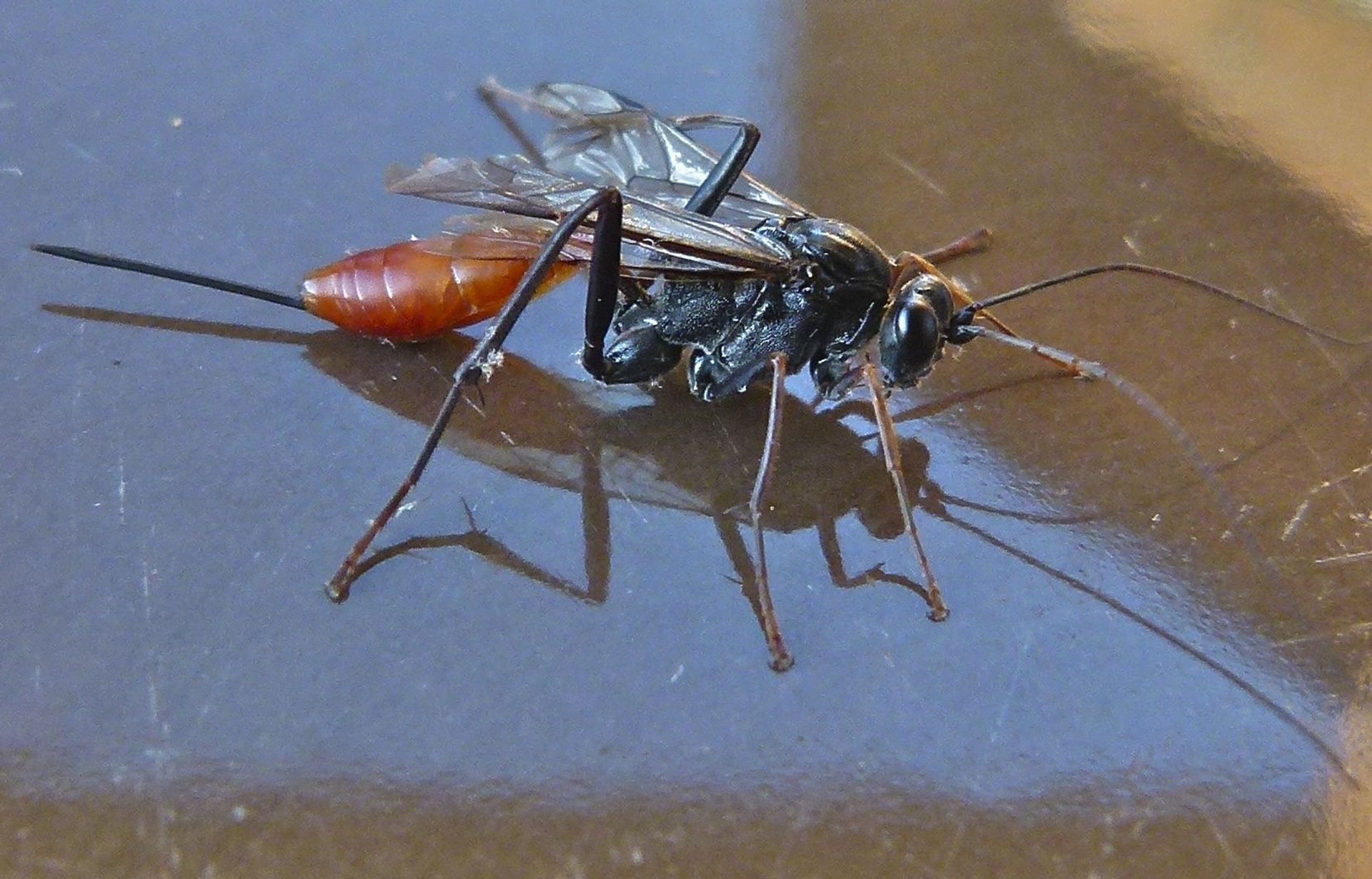
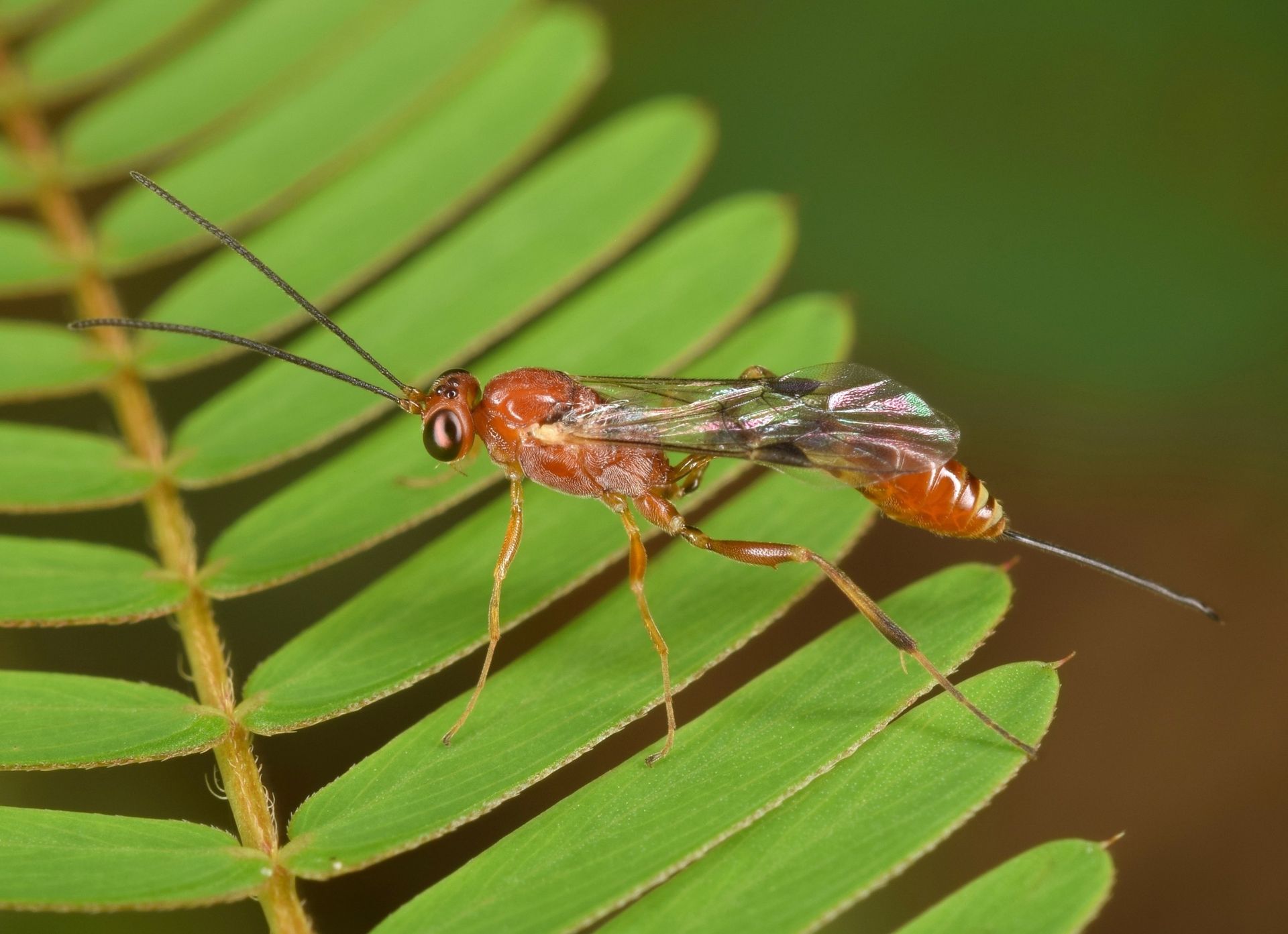
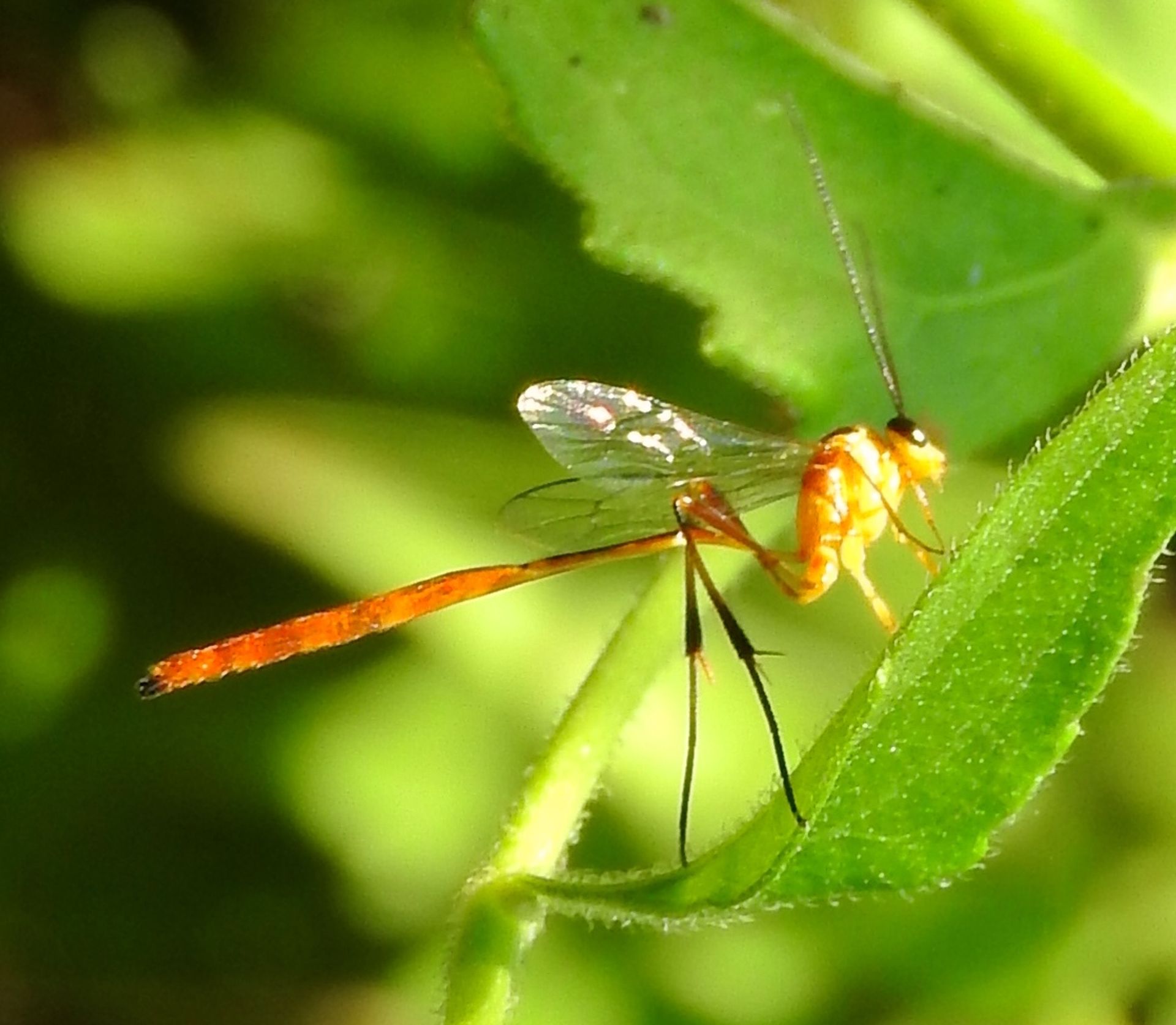
8Cremastinae is a worldwide of within Ichneumonidae. Members are koinobiont endoparasitoids, primarily attacking concealed larvae of Lepidoptera. Several , including Pristomerus, have been used in programs. The subfamily exhibits high diversity in tropical regions, with numerous undescribed species.
Pronunciation
How to pronounce Cremastinae: //krɛˈmæs.tɪˌniː//
These audio files are automatically generated. While they are not always 100% accurate, they are a good starting point.
Images
Habitat
Warm and dry such as coastal areas and heathlands; tropical habitats show highest . Members are frequently collected in agricultural settings including sugarcane crops and secondary forests at both ground and levels.
Distribution
Worldwide distribution with highest diversity in tropical regions. Documented from Australia (especially Northern Queensland and Northern Territories), Madagascar, Afrotropical region, Andean-Amazonian region of Colombia, Rica, Peru, northwestern Andes of Colombia, Iran, and Lithuania.
Host Associations
- Lepidoptera - koinobiont endoparasitoidprimarily concealed larvae in tunnels, leaf rolls, buds, and galls
- Hesperiidae - koinobiont endoparasitoiddocumented for Creagrura
- Coleoptera - koinobiont endoparasitoidsometimes, larvae in tunnels
Life Cycle
Koinobiont endoparasitoid development: larvae develop inside living , allowing host to continue feeding and growing until parasitoid .
Behavior
Some Creagrura have been observed to locate and oviposit in caterpillars when exposed at night rather than when concealed during daylight hours.
Ecological Role
that regulate of Lepidoptera and occasionally Coleoptera larvae. Contribute to natural in both natural and agricultural .
Human Relevance
Several , particularly in the Pristomerus, have been used in programs. High potential for undescribed species useful in pest management remains unexplored due to taxonomic understudying.
Similar Taxa
- other Ichneumonidae subfamiliesCremastinae distinguished by combination of morphological characters including fore wing venation and metasomal structure; diagnostic keys available in Townes (1971)
More Details
Taxonomic status
The contains numerous including Pristomerus, Creagrura, Eiphosoma, Temelucha, Trathala, Xiphosomella, and Eutanygaster. Many tropical regions harbor extensive undescribed diversity; for example, 75% of Australian are estimated to remain undescribed.
Research gaps
Basic , associations, and remain poorly known for most outside of Pristomerus. The origin of Australian Pristomerus fauna is unresolved, with possibilities including Southern relict elements or more recent Paleotropical immigration.
Sources and further reading
- BugGuide
- Wikipedia
- iNaturalist taxon
- NCBI Taxonomy
- Ichneumonid wasps from Madagascar. VI. The genus Pristomerus (Hymenoptera: Ichneumonidae: Cremastinae)
- Some Regularities of Distribution of Ichineumonids (Hymenoptera, Ichneumonidae) of Cremastinae Subfamily in Lithuania
- Revising Australian Pristomerus (Hymenoptera, Ichneumonidae, Cremastinae): species with a tooth on the hind femur
- Revision of the Afrotropical species of Pristomerus (Ichneumonidae: Cremastinae), with descriptions of 31 new species
- Two new Darwin wasp species of Eiphosoma Cresson, 1865 (Ichneumonidae: Cremastinae) from the northwestern Andes of Colombia
- A new species of Pristomerus Curtis, 1836 (Hymenoptera, Ichneumonidae, Cremastinae) and key to the known species in Iran
- Cryptic biodiversity of tropical hesperiid caterpillar-attacking parasitoid wasps: three new species of Creagrura Townes (Hymenoptera, Ichneumonidae, Cremastinae) from Costa Rica and Perú
- Darwin Wasps from the Andean-Amazonian Region in Caquetá, Colombia: A Taxonomic Synopsis of the Genera of Cremastinae (Hymenoptera: Ichneumonidae)
- Figure 2c from: Sääksjärvi IE, Kaunisto KM, Sharkey M, Stedenfeld S, Smith MA, Hallwachs W, Janzen D (2022) Cryptic biodiversity of tropical hesperiid caterpillar-attacking parasitoid wasps: three new species of Creagrura Townes (Hymenoptera, Ichneumonidae, Cremastinae) from Costa Rica and Perú. Biodiversity Data Journal 10: e91486. https://doi.org/10.3897/BDJ.10.e91486
- Figure 3d from: Sääksjärvi IE, Kaunisto KM, Sharkey M, Stedenfeld S, Smith MA, Hallwachs W, Janzen D (2022) Cryptic biodiversity of tropical hesperiid caterpillar-attacking parasitoid wasps: three new species of Creagrura Townes (Hymenoptera, Ichneumonidae, Cremastinae) from Costa Rica and Perú. Biodiversity Data Journal 10: e91486. https://doi.org/10.3897/BDJ.10.e91486
- Figure 2a from: Sääksjärvi IE, Kaunisto KM, Sharkey M, Stedenfeld S, Smith MA, Hallwachs W, Janzen D (2022) Cryptic biodiversity of tropical hesperiid caterpillar-attacking parasitoid wasps: three new species of Creagrura Townes (Hymenoptera, Ichneumonidae, Cremastinae) from Costa Rica and Perú. Biodiversity Data Journal 10: e91486. https://doi.org/10.3897/BDJ.10.e91486
- Figure 1c from: Sääksjärvi IE, Kaunisto KM, Sharkey M, Stedenfeld S, Smith MA, Hallwachs W, Janzen D (2022) Cryptic biodiversity of tropical hesperiid caterpillar-attacking parasitoid wasps: three new species of Creagrura Townes (Hymenoptera, Ichneumonidae, Cremastinae) from Costa Rica and Perú. Biodiversity Data Journal 10: e91486. https://doi.org/10.3897/BDJ.10.e91486
- Figure 2d from: Sääksjärvi IE, Kaunisto KM, Sharkey M, Stedenfeld S, Smith MA, Hallwachs W, Janzen D (2022) Cryptic biodiversity of tropical hesperiid caterpillar-attacking parasitoid wasps: three new species of Creagrura Townes (Hymenoptera, Ichneumonidae, Cremastinae) from Costa Rica and Perú. Biodiversity Data Journal 10: e91486. https://doi.org/10.3897/BDJ.10.e91486
- Figure 2b from: Sääksjärvi IE, Kaunisto KM, Sharkey M, Stedenfeld S, Smith MA, Hallwachs W, Janzen D (2022) Cryptic biodiversity of tropical hesperiid caterpillar-attacking parasitoid wasps: three new species of Creagrura Townes (Hymenoptera, Ichneumonidae, Cremastinae) from Costa Rica and Perú. Biodiversity Data Journal 10: e91486. https://doi.org/10.3897/BDJ.10.e91486
- Figure 3a from: Sääksjärvi IE, Kaunisto KM, Sharkey M, Stedenfeld S, Smith MA, Hallwachs W, Janzen D (2022) Cryptic biodiversity of tropical hesperiid caterpillar-attacking parasitoid wasps: three new species of Creagrura Townes (Hymenoptera, Ichneumonidae, Cremastinae) from Costa Rica and Perú. Biodiversity Data Journal 10: e91486. https://doi.org/10.3897/BDJ.10.e91486