Forelius pruinosus
(Roger, 1863)
high noon ant
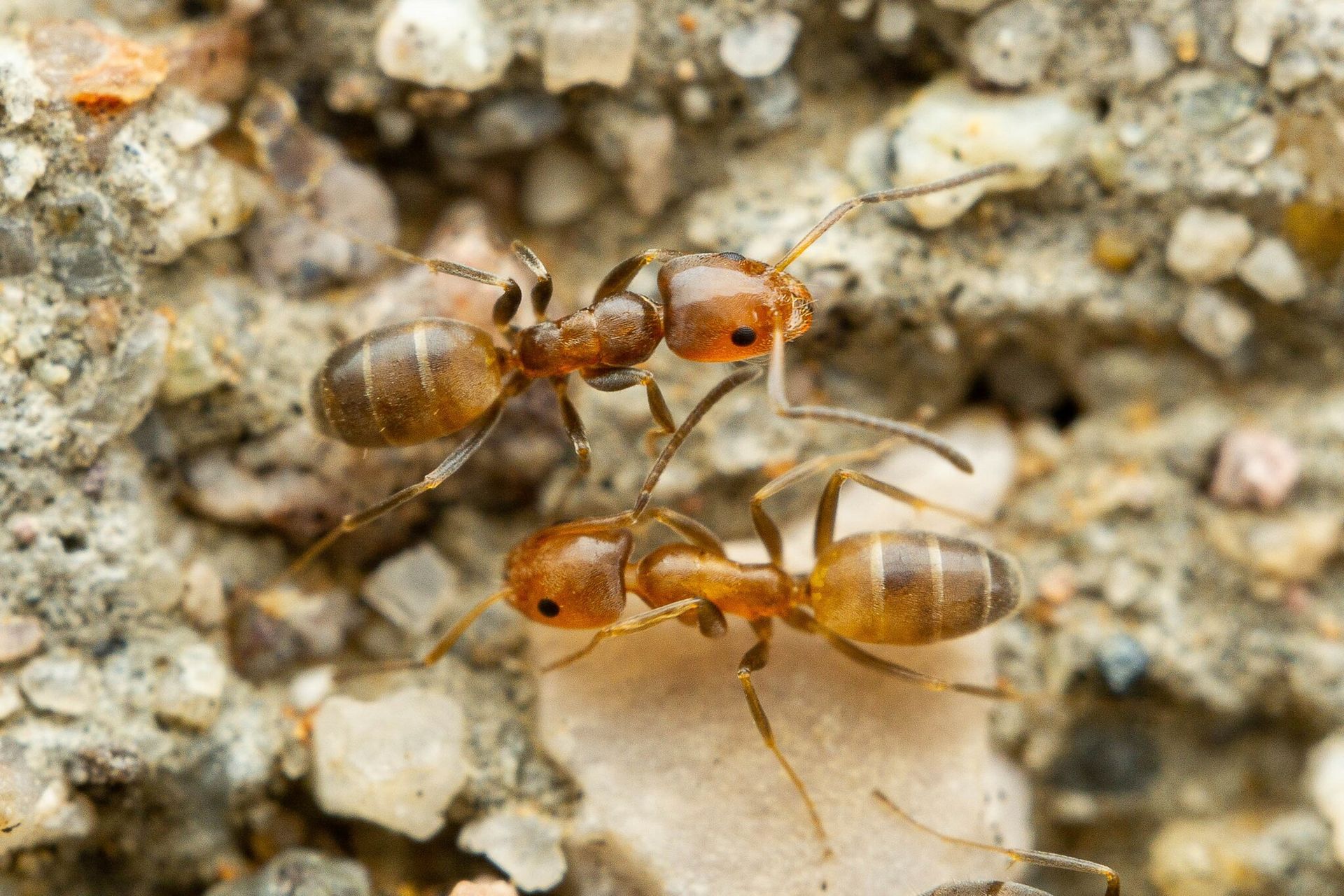
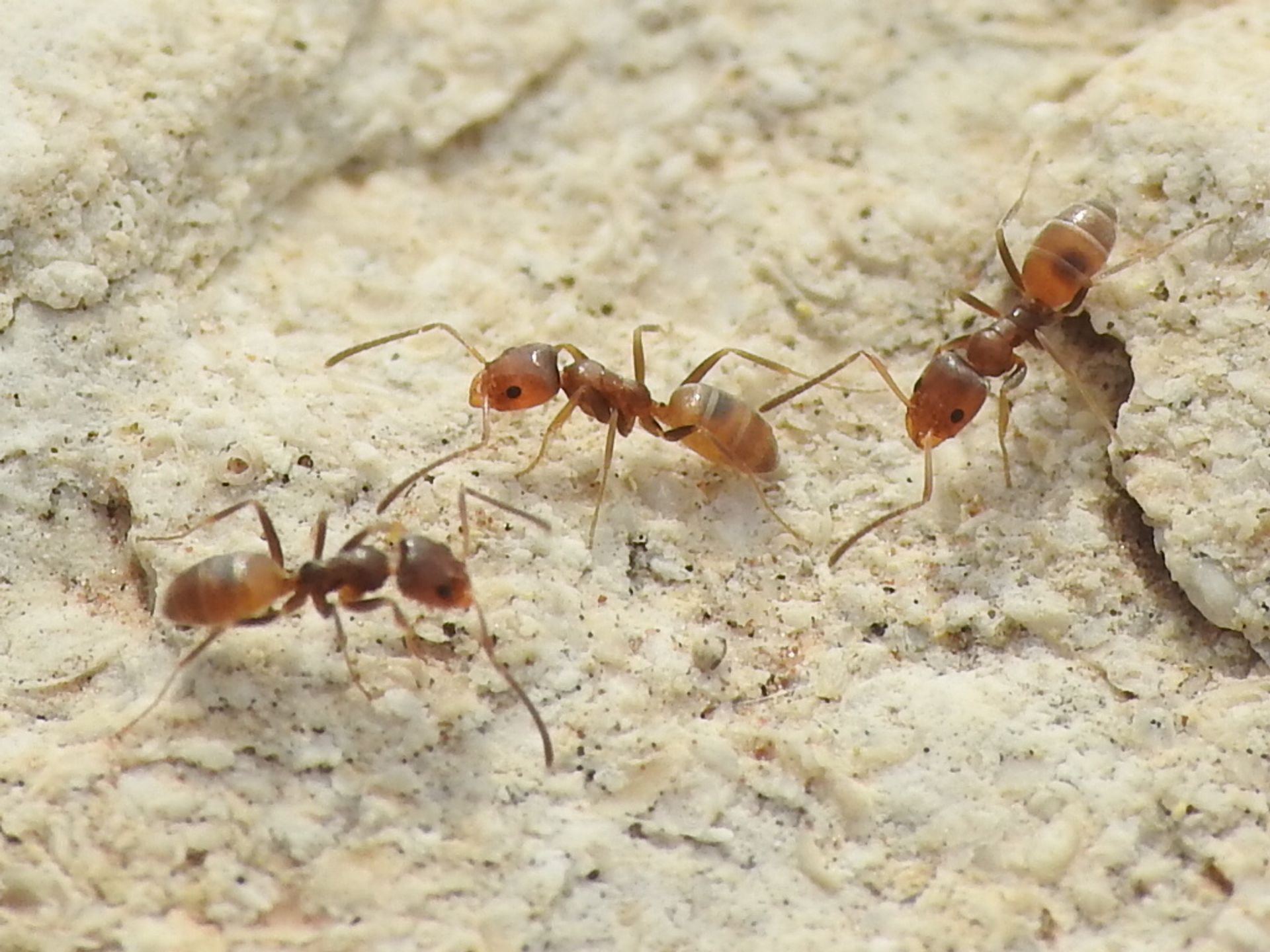
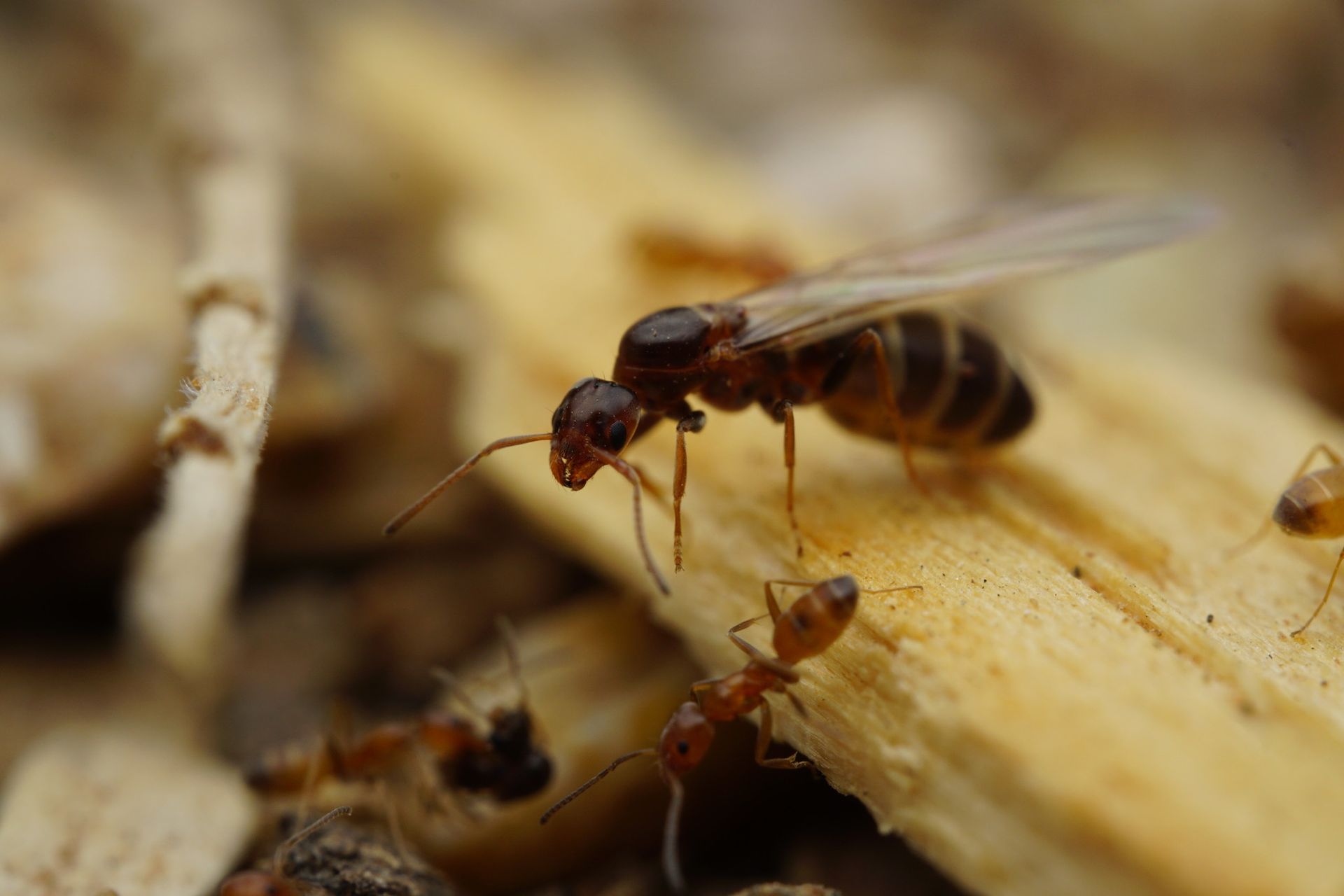
Forelius pruinosus, commonly known as the high noon , is a North American ant in the Dolichoderinae. It is notable for its foraging activity during hot, dry conditions, its polygynous colony structure with multiple queens, and its documented mutualistic relationships with various plants and insects. The species has been observed in sea turtle nests on Georgia's barrier islands and has been studied as a native ant mutualist in contrast to ant species.
Pronunciation
How to pronounce Forelius pruinosus: /fɔˈreɪliəs pruˈiːnoʊsəs/
These audio files are automatically generated. While they are not always 100% accurate, they are a good starting point.
Identification
Specific diagnostic morphological features for distinguishing Forelius pruinosus from are not provided in available sources. The belongs to the Forelius, which is characterized by features typical of the Dolichoderinae.
Images
Habitat
Occurs in diverse including desert regions, grasslands, and various woodland types in Mexico. In the United States, found in fields, meadows, pastures, and open woodland areas. Nests under stones and in soil. Thrives in hot weather and dry conditions. Recorded from dolomite glades and post oak savannas in southwestern Missouri, and from sand dune habitats in Oklahoma. In Georgia barrier islands, found in association with sea turtle nesting areas, particularly near dune vegetation.
Distribution
Native to North America. Documented from the United States (northern portions, with records from Florida, Arizona, Oklahoma, Missouri, and Georgia), Cuba, and Mexico. Range extends through desert regions, grasslands, and woodlands of Mexico. Recently recorded in Colombia (2008) in the Sierra Nevada de Santa Marta region, representing first documentation of the Forelius in that country.
Seasonality
Reproductive observed during from May to August. Active during hot daytime conditions; foraging activity ceases during cooler night temperatures.
Diet
Feeds on nectar and . Specifically observed feeding on flower nectar, foraging for insects, tending Hemiptera, scavenging dead vertebrates, and feeding on root coccids.
Host Associations
- Ferocactus wislizeni - mutualistExchanges protection against herbivores for nectar from the plant
- Cyclargus thomasi bethunebakeri - mutualistOpportunistic mutualism with Miami blue caterpillars; presence deters without active protection of larvae
- Catalpa bignonioides - mutualistNative mutualist providing food-for-protection services to this native nectaried tree
- Vanduzeea segmentata - tendsObserved tending this membracid on Helianthus annuus
Life Cycle
Colonies are polygynous, containing multiple queens. Colony size ranges from small to moderately large. of reproductive occur May through August.
Behavior
forager active during hot, dry conditions. Links nests via trails, marking foraging tracks with methyl-n-amyl ketone. Tends Hemiptera and other sap-feeding insects. Scavenges dead vertebrates along trail networks.
Ecological Role
Native mutualist with plants and insects, providing protective services in exchange for food resources. Documented as one of several native ant associated with loggerhead sea turtle nests on Georgia barrier islands, where ant presence correlates with reduced hatchling success in nests near dune vegetation. In Florida, identified as a ant species in the Dolichoderinae, with increasing following controlled fires while other ant species declined. In Arizona, observed as a predominant pest ant species in urban environments.
Human Relevance
Considered a household pest in the Gulf Coast region of the United States, where it nests in homes and invades houses. In Phoenix, Arizona, identified as one of the predominant pest following the southern fire ant. Robust to effects of controlled fires in Florida .
Similar Taxa
- Forelius damianiBoth were first Forelius members recorded in Colombia; share similar geographic range expansion patterns in Latin America
- Solenopsis invictaBoth have been compared as mutualists with native plants; F. pruinosus represents native mutualist in contrast to this species in ecological studies
- Dorymyrmex bureniBoth native frequently encountered in loggerhead sea turtle nests on Georgia barrier islands
More Details
Chemical ecology
Produces methyl-n-amyl ketone as a trail on foraging tracks. Defensive secretions share chemical similarities with related Forelius foetidus, supporting their close taxonomic relationship.
Fire ecology
In north central Florida, demonstrated robust response to controlled fires while other declined, suggesting competitive advantage in fire-maintained .
Conservation context
Presence in sea turtle nests on Georgia barrier islands highlights complex interactions between native ants and conservation efforts; recommended 1-meter buffer between dune vegetation and relocated nests to mitigate -related failure.
Sources and further reading
- BugGuide
- Wikipedia
- GBIF taxonomy match
- iNaturalist taxon
- NCBI Taxonomy
- Catalogue of Life
- Ants in the Nest: A Possible Emerging Pressure on Sea Turtles
- Periodical Cicadas, 2024: Entomologists Prepare for the Six-Week Serenade
- A “superb” southwestern Missouri cicada | Beetles In The Bush
- Bug Eric: Wasp Wednesday: Pacific Cicada Killer
- Psychidae | Beetles In The Bush
- Brood's Clues: New Mapping Approach Puts Cicadas in Focus
- Defensive Ecology of Forelius Foetidus and Its Chemosystematic Relationship to F. (=Iridomyrmex) pruinosus (Hymenoptera: Formicidae: Dolichoderinae)
- Contrasting exotic Solenopsis invicta and native Forelius pruinosus ants as mutualists with Catalpa bignonioides , a native plant