
Gorytina
Lepeletier, 1845
Genus Guides
7- Gorytes(sand wasps)
- Hapalomellinus
- Harpactus(Snatching Sand Wasps)
- Hoplisoides(sand wasps)
- Lestiphorus
- Psammaletes
- Saygorytes
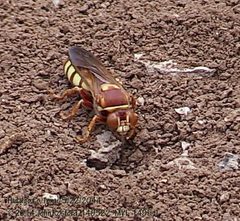
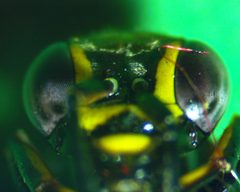
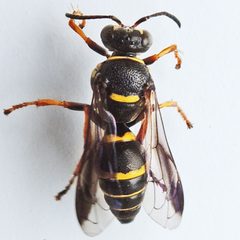
Gorytina is a subtribe of digger wasps within the tribe Bembicini, Crabronidae. These are solitary and typically nest in soil, with many specializing on particular prey types. The subtribe includes approximately 20 distributed globally, with notable diversity in North America. Members are distinguished from other Bembicini by morphological features of the and .
Pronunciation
How to pronounce Gorytina: /ɡɔˈrɪtɪna/
These audio files are automatically generated. While they are not always 100% accurate, they are a good starting point.
Identification
Gorytina can be distinguished from other subtribes of Bembicini (Bembicina, Exeirina, Stizina) by the structure of the and , though precise diagnostic characters require examination of preserved specimens. The subtribe is explicitly excluded from some regional inventories due to its distinct requiring separate treatment.
Images
Distribution
Global distribution with documented in North America, including the southwestern United States and Mexico, as well as other regions. Specific range data for the subtribe as a whole is not consolidated in available sources.
Behavior
Members are solitary digger wasps that construct nests in soil. Prey specialization patterns vary among included , with some known to provision nests with particular insect groups.
Similar Taxa
More Details
Taxonomic Note
Gorytina was established by Lepeletier in 1845. The subtribe has been treated as requiring separate study in some regional faunistic works, as noted in the Rio de Janeiro inventory which explicitly deferred treatment of this group.
Collection Holdings
The UCR Entomology Research Museum holds extensive collections of Bembicidae, including numerous Gorytina specimens. Holdings include at least 10 newly-discovered, undescribed species from the US and Mexico, indicating ongoing taxonomic work in this group.