
Gorytes
Latreille, 1805
sand wasps
Species Guides
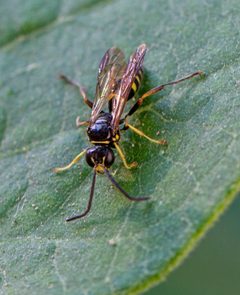
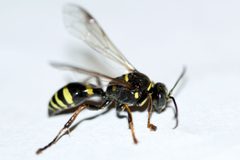
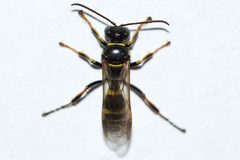
7Gorytes is a of sand wasps in the Crabronidae, comprising at least 70 described distributed across the Holarctic region. These solitary are ground-nesting that provision their burrows with paralyzed prey, primarily leafhoppers (Cicadellidae), for their developing larvae. The genus is taxonomically placed within the subtribe Gorytina of the tribe Bembicini.
Pronunciation
How to pronounce Gorytes: /ˈɡɔrɪtiːz/
These audio files are automatically generated. While they are not always 100% accurate, they are a good starting point.
Identification
Gorytes can be distinguished from similar sand wasps by their relatively slender body form and specific wing venation patterns, though precise identification often requires examination of male genitalia and other microscopic characters. They differ from the closely related Hoplisoides by subtle differences in clypeal structure and pygidial plate . Species-level identification is challenging and typically requires taxonomic knowledge.
Images
Habitat
in this inhabit open, sandy environments including riverbanks, coastal dunes, sandy fields, and sparsely vegetated ground. They require well-drained substrates suitable for excavating burrows and are typically found in areas with abundant leafhopper .
Distribution
Holarctic distribution, with records from North America (including Vermont and other US states), Europe (Denmark, Norway, Sweden), and Asia. The shows highest diversity in temperate regions.
Seasonality
are active during the warmer months, with activity periods varying by latitude and . In temperate North America and Europe, activity typically occurs from late spring through summer.
Diet
feed on nectar from flowers. Larvae are provisioned with paralyzed leafhoppers ( Cicadellidae) as their sole food source.
Host Associations
- Cicadellidae - preyleafhoppers paralyzed and stored as larval provisions
Life Cycle
Solitary ground-nesting . Females excavate burrows in sandy soil and provision individual with multiple paralyzed leafhoppers. An is laid on the prey, and the larva consumes the provisioned food before pupating. Development likely includes egg, larval, and pupal stages with emerging the following season, though specific timing varies by and climate.
Behavior
Females hunt leafhoppers on vegetation, capturing and paralyzing them with a sting, then transporting prey to the nest burrow. Nesting involves digging in sandy substrates and closing burrow entrances when away. Males patrol nesting areas seeking mates.
Ecological Role
of leafhoppers, potentially providing of these herbivorous insects in sandy . As ground-nesters, they contribute to soil aeration and nutrient cycling in their nesting substrates.
Human Relevance
Generally harmless to humans; stings are rare and occur only if females are handled. May provide incidental of leafhopper pests in agricultural areas adjacent to suitable sandy nesting .
Similar Taxa
- Hoplisoidesclosely related in the same subtribe Gorytina, distinguished by clypeal and pygidial plate characters
- Bembixanother sand wasp in tribe Bembicini, but Bembix provision nests with flies (Diptera) rather than leafhoppers and often have more robust body forms
More Details
Taxonomic History
Gorytes has been classified in Bembicidae (sometimes treated as Nyssonidae) and is now placed in Crabronidae following current phylogenetic treatments. The was established by Latreille in 1805.
Species Diversity
At least 70-75 described are recognized globally, with ongoing taxonomic work identifying additional undescribed species, particularly in North America.