
Phylloxera pilosula
Pergande, 1904
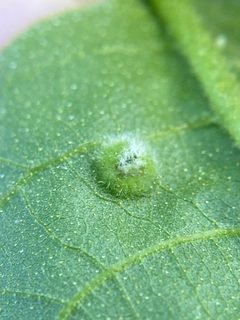
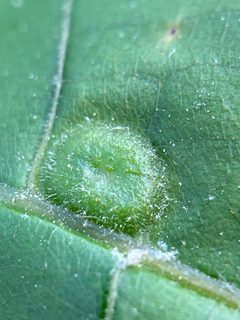
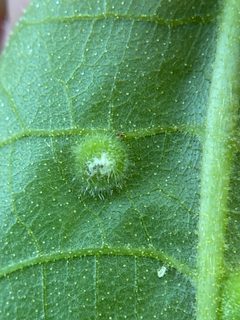
Phylloxera pilosula is a gall-forming insect in the Phylloxeridae, closely related to aphids. Like other phylloxerans, it induces abnormal plant growths (galls) on its plants through chemical secretions that manipulate plant tissue development. The was described by Pergande in 1904. Specific host associations and detailed for this particular species remain poorly documented in available literature.
Pronunciation
How to pronounce Phylloxera pilosula: /fɪˈlɒksəra pɪloʊˈsuːlə/
These audio files are automatically generated. While they are not always 100% accurate, they are a good starting point.
Identification
Identification to level requires examination of gall on specific plants and microscopic analysis of morphological characters. Phylloxera species are generally distinguished by host association, gall structure, and subtle morphological differences in wing venation and body proportions. P. pilosula is not among the most commonly referenced phylloxeran species in agricultural or ecological literature, suggesting it may be less economically significant or more geographically restricted than such as the grape phylloxera (Daktulosphaira vitifoliae) or pecan phylloxera species.
Images
Habitat
Associated with woody plants where gall formation occurs. Based on -level characteristics, likely found in temperate forest or woodland where suitable host occur. Specific microhabitat preferences for P. pilosula are not documented.
Distribution
Distribution records are sparse. The has been documented in North America based on iNaturalist observations (23 records as of source date). Specific range boundaries are not well established in published literature.
Seasonality
Activity patterns likely follow typical phylloxeran : hatch in spring coinciding with bud break, gall development through spring and early summer, and winged in late spring to summer. occurs as eggs in bark crevices.
Host Associations
- Unknown - gall inducerSpecific plant(s) for P. pilosula are not documented in available sources. Related phylloxeran typically show high host specificity, often restricted to single host or species.
Life Cycle
Phylloxerans typically have complex involving both sexual and parthenogenetic . overwinter in bark crevices. Nymphs hatch in spring and induce gall formation on new growth. Development occurs within galls, with winged emerging to disperse and produce subsequent generations. Some phylloxeran produce multiple generations per year if new growth remains available.
Behavior
Induces gall formation through chemical secretions during feeding. Nymphs are enclosed within galls for protection and feeding. Winged emerge from galls and disperse to new tissue or locations.
Ecological Role
As a gall inducer, modifies plant tissue structure and may influence plant physiology, though specific impacts are undocumented for this . Galls provide for specialized and in related phylloxeran systems.
Human Relevance
No documented economic or agricultural significance. Not referenced in major agricultural pest management literature, suggesting limited impact on cultivated plants compared to economically important .
Similar Taxa
- Phylloxera caryaecaulisBoth are Phylloxera that induce galls on woody plants; distinguished by association (P. caryaecaulis on Carya/hickory) and gall
- Daktulosphaira vitifoliaeBoth are phylloxerid gall inducers; D. vitifoliae (grape phylloxera) is historically significant as a grape pest and has been more extensively studied
- Phylloxera devastatrixAnother Phylloxera ; specific distinguishing characters require detailed morphological examination
More Details
Taxonomic note
Phylloxera pilosula is one of approximately 70 described in the Phylloxera. The genus is part of the Phylloxeridae, which also includes the economically devastating grape phylloxera now placed in Daktulosphaira. Species-level in Phylloxera relies heavily on associations and subtle morphological differences that can be challenging to assess.
Data limitations
Available literature focuses predominantly on economically important phylloxeran . P. pilosula appears in taxonomic catalogs (Catalogue of Life, GBIF) but lacks species-specific biological studies in accessible sources. The 23 iNaturalist observations suggest the species is documented but not extensively studied.
Sources and further reading
- BugGuide
- GBIF taxonomy match
- iNaturalist taxon
- Catalogue of Life
- Insects and mites that feed on leaves - AgriLife Extension Entomology
- Managing Insect and Mite Pests of Commercial Pecans in Texas - AgriLife Extension Entomology
- Meet 'The Moth Man' at Bohart Museum's Moth Night | Bug Squad
- A Victory for the Bees | Bug Squad
- Gall darn it! Gall insects on hickory, oak, and elm, Phylloxera caryaecaulis, Andricus palustris, Colopha ulmicola — Bug of the Week
- The Insects Behind the Weird Growths on Plants