
Phylloxera deplanata
Pergande, 1904
pecan leaf phylloxera, pecan phylloxera
Phylloxera deplanata is a tiny, soft-bodied insect in the Phylloxeridae, closely related to aphids. It is a significant pest of pecan trees (Carya illinoinensis), causing the formation of galls on leaves, shoots, and nuts. The overwinters as in bark crevices and emerges in spring to feed on new growth, inducing abnormal plant tissue development. Unlike the pecan leaf phylloxera (which forms galls on leaves only), this species attacks shoots and nuts, making it more economically damaging. Heavy can reduce yield, impair tree vitality, and diminish subsequent production.
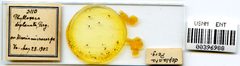
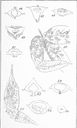
Pronunciation
How to pronounce Phylloxera deplanata: /fɪˈlɒksərə dɛpˈlæneɪtə/
These audio files are automatically generated. While they are not always 100% accurate, they are a good starting point.
Identification
Distinguished from pecan leaf phylloxera by its gall formation on shoots and nuts rather than leaves alone. Galls on shoots and developing nuts confirm this . The two pecan phylloxera species are often discussed together in literature, with P. deplanata being the more destructive form due to nut and shoot gall formation. Galls crack open in late season to release winged .
Images
Appearance
Tiny, soft-bodied insect with . are winged when they emerge from galls. Nymphs are minute and enclosed within plant galls during development.
Habitat
Pecan orchards and native pecan . Found on pecan trees (Carya illinoinensis) in commercial and non-commercial settings. move slowly from tree to tree due to limited capability.
Distribution
Documented in pecan-growing regions of Texas and the southern United States. Native to North America where pecans occur naturally or are cultivated.
Seasonality
hatch during spring bud break. Nymphs feed and induce galls during spring and early summer. Winged emerge from galls in late season. Females overwinter in protected bark locations, with eggs remaining inside their bodies until spring. No second galls are produced by this .
Diet
Feeds on phloem sap of pecan trees using . Induces gall formation on new growth, shoots, and developing nuts through chemical secretions that stimulate abnormal plant tissue development.
Host Associations
- Carya illinoinensis - primary Pecan; sole known for gall formation and development
- Carya - -level Hickories and pecans in Carya
Life Cycle
Overwinters as retained within dead female bodies in bark crevices. Eggs hatch in spring during bud break. Nymphs crawl to new growth and feed, inducing gall formation. Nymphs develop completely enclosed within galls. Galls crack open to release winged . Adults mate; females seek protected bark locations, deposit eggs within their bodies, and die, with eggs inside maternal remains. No second gall occurs.
Behavior
Nymphs secrete substances that chemically manipulate plant tissue to form protective galls. have limited capability, restricting rapid spread between trees. progress slowly through orchards.
Ecological Role
Herbivore and gall-former on pecan trees. Reduces photosynthetic capacity and nut production through gall formation. Provides temporary microhabitat for other organisms within galls.
Human Relevance
Major economic pest of commercial pecan production. Damage to shoots and nuts directly reduces yield and tree vigor. Controlled through targeted applications timed to kill nymphs after hatch but before gall enclosure. varies among pecan varieties. Monitoring and spot-treatment of infested trees is often sufficient due to slow .
Similar Taxa
- Phylloxera notabilisPecan leaf phylloxera; forms galls on leaves only, not shoots or nuts. Less economically damaging. Same but different gall locations allow distinction.
- Phylloxera caryaecaulisHickory phylloxeran; forms galls on hickory (Carya) rather than pecan. Similar but different primary and gall .
- Aphidoidea (aphids)Superficially similar soft-bodied, sap-feeding insects with . Distinguished by gall-forming habit, different wing venation, and details.
Sources and further reading
- BugGuide
- GBIF taxonomy match
- iNaturalist taxon
- Catalogue of Life
- Insects and mites that feed on leaves - AgriLife Extension Entomology
- Managing Insect and Mite Pests of Commercial Pecans in Texas - AgriLife Extension Entomology
- Meet 'The Moth Man' at Bohart Museum's Moth Night | Bug Squad
- A Victory for the Bees | Bug Squad
- Gall darn it! Gall insects on hickory, oak, and elm, Phylloxera caryaecaulis, Andricus palustris, Colopha ulmicola — Bug of the Week
- grape phylloxera Archives - Entomology Today