
Hamana
DeLong, 1942
Species Guides
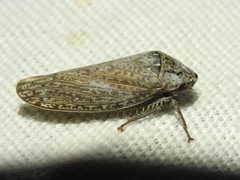
7Hamana is a of leafhoppers in the Cicadellidae, Iassinae, established by DeLong in 1942. These insects belong to the tribe Gyponini and are part of the diverse leafhopper fauna within the Hemiptera. The genus is recognized in major taxonomic databases including Catalogue of Life, GBIF, and NCBI . within Hamana are distributed across various regions, with 576 observations recorded on iNaturalist. Like other leafhoppers, members of this genus are sap-feeding insects associated with vegetation.


Pronunciation
How to pronounce Hamana: /həˈmɑːnə/
These audio files are automatically generated. While they are not always 100% accurate, they are a good starting point.
Identification
Hamana can be distinguished from other Gyponini by genitalic characters and structural features of the and pronotum, though specific diagnostic traits require examination. The genus belongs to the Iassinae, which is characterized by particular wing venation patterns and body form. Accurate identification to species level typically requires examination of male genitalia.
Images
Distribution
Records of Hamana span multiple continents based on iNaturalist observations, though precise native ranges of constituent remain incompletely documented. The has been reported from the Nearctic and Neotropical regions.
Diet
Members of the Cicadellidae feed on plant sap, typically from xylem or phloem tissue of vascular plants. Specific plant associations for Hamana are not well documented in available sources.
Life Cycle
Leafhoppers undergo with , nymph, and stages. Specific details for Hamana are not documented in available sources.
Ecological Role
As phytophagous insects, leafhoppers in this participate in plant-insect and may serve as prey for various including spiders, birds, and . Their specific functions within Hamana are not separately documented.
Similar Taxa
More Details
Taxonomic note
The name 'Hamana' has multiple unrelated uses including geographic locations (Lake Hamana, Japan), a ship name, and a 1930s sandwich. In zoological , it refers exclusively to this leafhopper .