
Ponana
Ball, 1920
Species Guides
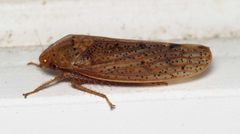
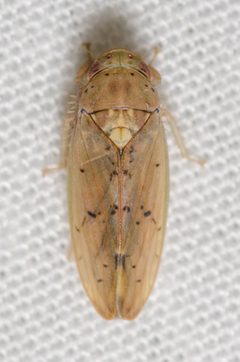
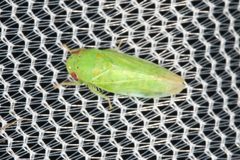
19Ponana is a of leafhoppers in the Cicadellidae, established by Ball in 1920. The genus contains more than 100 described . Members belong to the tribe Gyponini within the Iassinae. The genus is well-represented in citizen science observations, with thousands of records documented.
Pronunciation
How to pronounce Ponana: /poˈna.na/
These audio files are automatically generated. While they are not always 100% accurate, they are a good starting point.
Identification
As a -level , specific identification criteria vary by . Ponana species can be distinguished from other Gyponini genera by genitalic characters, particularly male aedeagal structure. General Gyponini traits include a broad, often rounded and pronotum, with wings typically held roof-like over the body. Accurate species identification usually requires examination of microscopic features.
Images
Habitat
in this inhabit diverse environments including forests, woodlands, and shrublands. Many are associated with deciduous and mixed forest and understory vegetation. Specific microhabitat preferences vary considerably among the 100+ species.
Distribution
Recorded from North America, including the United States (with confirmed records from Vermont and other states). The full geographic range extends more broadly across the Nearctic region, though precise boundaries for the and individual require further documentation.
Seasonality
activity patterns vary by and latitude. Most species are active during the growing season, with peak abundance typically occurring in late spring through summer. Specific differs among species.
Life Cycle
As with other Cicadellidae, Ponana undergo hemimetabolous development with , nymph, and stages. Specific details of egg-laying substrates, nymphal development duration, and number of per year vary among species and have not been comprehensively documented for the .
Behavior
are active jumpers, using their enlarged hind for escape locomotion. Like other leafhoppers, they are phloem feeders. Many are found in the forest , making them less frequently encountered than ground-dwelling leafhopper . Specific behavioral repertoires differ among species.
Ecological Role
As phloem-feeding insects, Ponana function as herbivores in forest and woodland . They contribute to nutrient cycling and serve as prey for various , birds, and other . Their role as potential of plant has not been established.
Human Relevance
No significant direct economic impact has been documented. The is not known to include major agricultural pests. are primarily of ecological and systematic interest.
Similar Taxa
- GyponaAlso in tribe Gyponini; shares broad and pronotum shape. Distinguished by male genitalia and wing venation patterns.
- Cicadellidae (other Gyponini genera)Multiple in the same tribe share general body plan; accurate separation requires examination of genitalic and wing characters.
More Details
Taxonomic History
Established by Elmer Darwin Ball in 1920. The has undergone periodic revision, with many described in the mid-20th century.
Research Status
Despite the large number of described , many remain poorly known biologically. Modern taxonomic revisions using molecular data are limited.