
Gyponini
Stål, 1870
Genus Guides
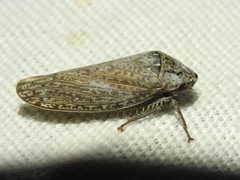
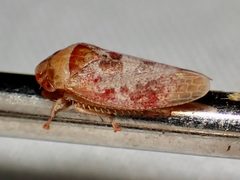
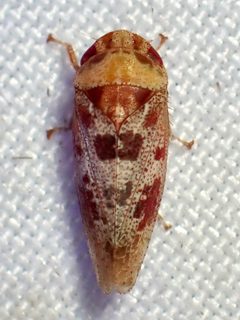
13Gyponini is a tribe of leafhoppers (Cicadellidae) in the Iassinae, comprising approximately 60 and over 1,300 described . Formerly treated as a subfamily, it is now classified within Iassinae. The tribe is restricted to the Americas, with species distributed from North America through Central America to South America. Gyponini is taxonomically diverse and has been the subject of extensive revisionary work, including numerous new species descriptions and generic reclassifications.
Pronunciation
How to pronounce Gyponini: /dʒɪˈpɒnɪnaɪ/
These audio files are automatically generated. While they are not always 100% accurate, they are a good starting point.
Images
Distribution
Restricted to the Americas; documented from the United States through Mexico, Central America, and throughout South America including Brazil, Peru, Bolivia, Argentina, Rica, Guatemala, French Guiana, and other Neotropical regions.
Ecological Role
for in the Dryinidae (Hymenoptera: Chrysidoidea), including Anteon and Gonatopus. Specific host records include Curtara concava, Gypona lita, and Reticana lineatta as hosts for dryinid parasitoids.
More Details
Taxonomic history
Gyponini was formerly treated as a (Gyponinae) but is now classified as a tribe within the subfamily Iassinae. The tribe has undergone extensive taxonomic revision, with numerous elevated from subgeneric status and multiple new combinations proposed for previously placed in different genera.
Research focus
Recent taxonomic studies on Gyponini have focused heavily on the Brazilian fauna, with multiple papers describing new in such as Polana, Costanana, Fuminana, and others. These studies typically include male genitalia descriptions, identification keys, and distribution records, but rarely provide ecological or biological data.
Sources and further reading
- BugGuide
- Wikipedia
- iNaturalist taxon
- NCBI Taxonomy
- Catalogue of Life
- Five new Brazilian species of Fuminana Freytag (Hemiptera: Cicadellidae: Gyponini) with new records and key to males
- Five new species of Polana (Polana) (Hemiptera: Cicadellidae: Gyponini) from Brazil and Costa Rica, and new combinations in the genus
- Gypona nigronervosa Stål (Hemiptera: Cicadellidae: Gyponini): redescription of male, first description of female, new synonymy, color polymorphism, and new records
- Review of the genus Tenuacia DeLong (Insecta: Hemiptera: Cicadellidae: Gyponini), including two new species and Rubacea DeLong raised to generic status
- Eight new species of Costanana DeLong & Freytag (Hemiptera: Cicadellidae: Gyponini): taxonomic changes, key to males, and description of Metacostana gen. nov.
- Review of Pandara DeLong & Freytag (Insecta: Hemiptera: Cicadellidae: Gyponini), raised to generic status, including three new species and an identification key
- Sexual association and cicadellid hosts of Dryinidae (Hymenoptera, Chrysidoidea): description of five new species from Brazil and a synopsis of the interaction with Gyponini (Hemiptera, Membracoidea)