
Pisciforma
Family Guides
7- Acanthametropodidae
- Ameletidae(combmouthed minnow mayflies)
- Ametropodidae
- Baetidae(small mayflies)
- Heptagenioidea
- Metretopodidae(cleftfooted minnow mayflies)
- Siphlonuridae(primitive minnow mayfly)
Pisciforma is a suborder of mayflies (Ephemeroptera) encompassing at least 410 described across 11 . It includes diverse aquatic insects commonly known as minnow mayflies, flatheaded mayflies, and sand-dwelling mayflies. Members occupy varied freshwater and exhibit morphological diversity in mouthpart structure and leg .


Pronunciation
How to pronounce Pisciforma: //ˈpis.iˌfɔr.ma//
These audio files are automatically generated. While they are not always 100% accurate, they are a good starting point.
Identification
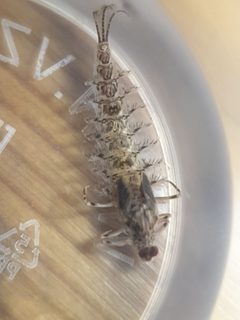
Pisciforma are distinguished by specialized morphological traits: Ameletidae possess comb-like mouthparts; Heptageniidae and Arthropleidae have dorsoventrally flattened adapted for clinging in fast currents; Isonychiidae and Oligoneuriidae exhibit brush-like or fringed legs for filter feeding; Metretopodidae have cleft or divided ; Pseudironidae display crab-like adaptations. Nymphal gill structure and wing venation patterns further separate families.
Images
Habitat
Aquatic freshwater environments including streams, rivers, and lakes. Specific occupy distinct microhabitats: Acanthametropodidae and Ametropodidae in sandy substrates; Heptageniidae and Arthropleidae on rocks in fast-flowing water; Baetidae in diverse running and standing waters; Siphlonuridae in lentic and lotic environments.
Distribution
Worldwide distribution in freshwater systems. Individual distributions vary: Baetidae and Heptageniidae are ; other families have more restricted ranges.
Life Cycle
Hemimetabolous development with , nymph, and stages. Nymphs are fully aquatic; adults are short-lived, non-feeding, and terrestrial or aerial. Specific developmental durations vary by and .
Ecological Role
Nymphs serve as primary consumers and important food sources for fish and other aquatic . contribute to terrestrial . Some (Isonychiidae, Oligoneuriidae) function as , enhancing nutrient cycling in aquatic .
Human Relevance
Important bioindicators of water quality in freshwater . Used in ecological monitoring and assessment programs. emergences provide significant food pulses for fish, supporting recreational and commercial fisheries.
Similar Taxa
- SetisuraAnother suborder of Ephemeroptera; distinguished by different nymphal morphologies and gill structures. Setisura includes with operculate gills and different leg adaptations.
- FurcatergaliaEphemeroptera suborder distinguished by forked or divided gills in nymphs and different wing venation patterns in .
More Details
Family diversity
The 11 within Pisciforma represent substantial ecological and morphological diversification within mayflies, including the speciose Baetidae (small minnow mayflies) and Heptageniidae (flatheaded mayflies).
Taxonomic stability
Pisciforma has been recognized as a well-supported clade in molecular and morphological phylogenetic studies of Ephemeroptera, though -level relationships continue to be refined.