
Acanthametropodidae
Genus Guides
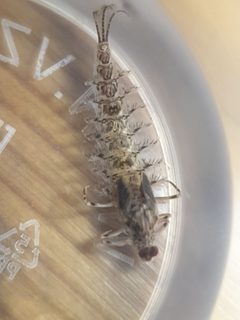
1Acanthametropodidae is a of sand-dwelling mayflies (Ephemeroptera) in the suborder Pisciforma. The family contains at least two —Acanthametropus and Analetris—with four described . These insects are specialized for life in sandy substrates, a relatively uncommon among mayflies.
Pronunciation
How to pronounce Acanthametropodidae: //əˌkænθəˌmiːtrəˈpɒdɪdiː//
These audio files are automatically generated. While they are not always 100% accurate, they are a good starting point.
Identification
Members of Acanthametropodidae are distinguished from other by their association with sandy . The family can be separated from related pisciform mayflies by the combination of Acanthametropus and Analetris, which share derived morphological features associated with sand-dwelling . Specific diagnostic characters require examination of and nymphal specimens.
Images
Habitat
Sandy substrates in aquatic environments. Nymphs inhabit spaces within sand beds of rivers and streams.
Life Cycle
As with all Ephemeroptera, development includes aquatic nymphal stages and short-lived winged . Specific details of nymphal development duration and number of instars have not been documented.
Similar Taxa
- Other Pisciforma familiesAcanthametropodidae shares the suborder Pisciforma with other burrowing or bottom-dwelling , but is distinguished by its exclusive sand-dwelling and the unique combination of Acanthametropus and Analetris.
More Details
Taxonomic note
The was established to accommodate sand-dwelling mayflies previously difficult to place within the classification of Ephemeroptera. The two , Acanthametropus (established 1948) and Analetris (established 1972), represent distinct lineages unified by ecological and morphological specializations.