
Metretopodidae
cleftfooted minnow mayflies
Genus Guides
2- Metretopus
- Siphloplecton(cleftfooted minnow mayflies)
is a of mayflies in the order Ephemeroptera, commonly known as cleftfooted minnow mayflies. The family contains at least 3 (Metreplecton, Metretopus, Siphloplecton) and more than 20 described . These mayflies are part of the diverse aquatic insect fauna associated with freshwater .
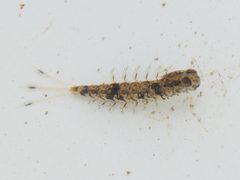
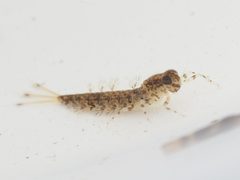
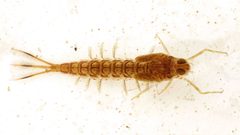
Pronunciation
How to pronounce Metretopodidae: /mɛˌtrɛtoʊˈpɒdɪdiː/
These audio files are automatically generated. While they are not always 100% accurate, they are a good starting point.
Identification
Members of can be distinguished from other by the structure of the fore , which are cleft or divided—hence the 'cleftfooted' mayflies. This family belongs to the superfamily Heptagenioidea, and identification to level requires examination of wing venation, genitalia, and leg structure.
Images
Habitat
are associated with freshwater lotic environments, particularly streams and rivers. Larvae are aquatic and typically inhabit clean, well-oxygenated waters where they occupy the benthic zone.
Distribution
Distribution records indicate presence in southeastern regions; the has been documented in North America and parts of the Palearctic. Specific range details for individual vary by .
Life Cycle
As with all Ephemeroptera, has a hemimetabolous consisting of aquatic nymphal stages and short-lived, terrestrial stages. Larval development occurs in freshwater, with of winged adults typically synchronized with environmental conditions favorable for mating and oviposition.
Ecological Role
Larvae contribute to benthic as both consumers and prey items. They play a role in nutrient cycling in freshwater and serve as indicators of water quality due to their sensitivity to degradation.
Human Relevance
Mayflies in this , like other Ephemeroptera, are used as bioindicators for assessing stream health and water quality. They are also important components of aquatic supporting fish of recreational and commercial interest.
Similar Taxa
- HeptageniidaeBoth belong to the superfamily Heptagenioidea and share flattened body forms adapted to lotic environments; is distinguished by the cleft fore .
- BaetidaeBoth are of mayflies with aquatic larvae; larvae have distinctive cleft and different mouthpart structures.
More Details
Taxonomic history
The was established to accommodate previously placed within Heptageniidae but distinguished by unique tarsal . The genus Metreplecton was described relatively recently (1996), indicating ongoing taxonomic refinement.
Research needs
Despite recognition as a distinct , published ecological and studies on remain limited compared to more intensively studied families.