Isonychiidae
Brush-legged Mayflies
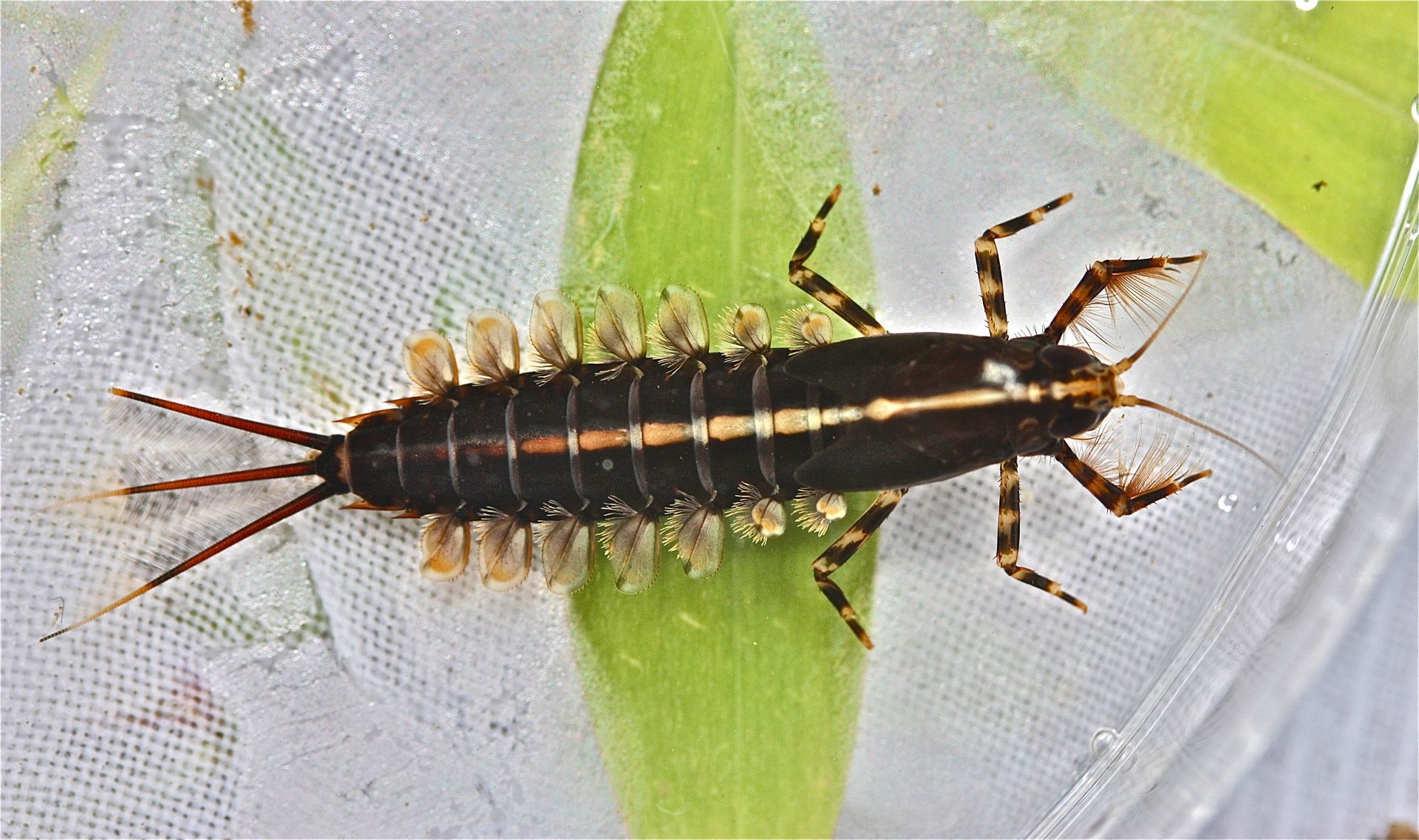
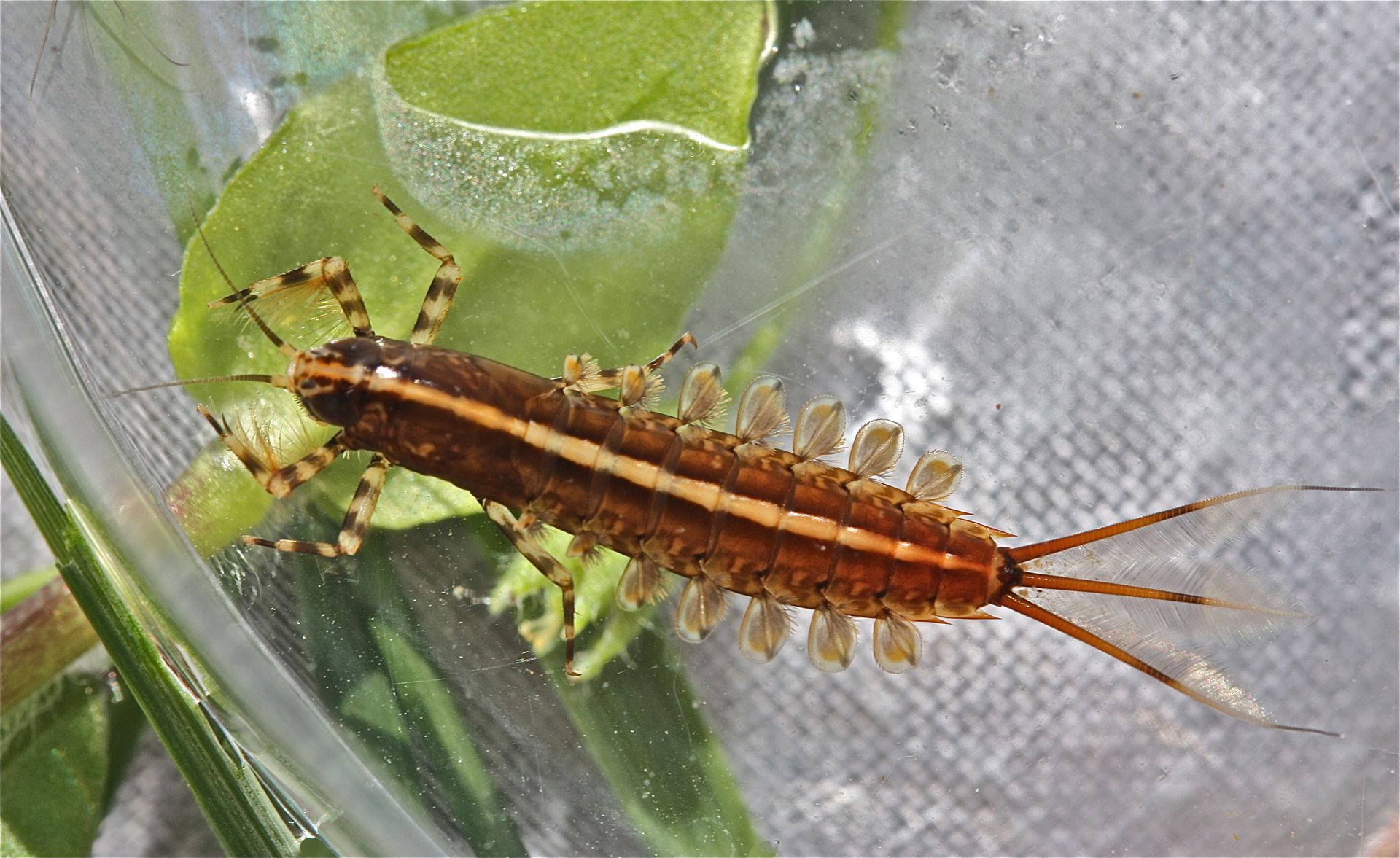
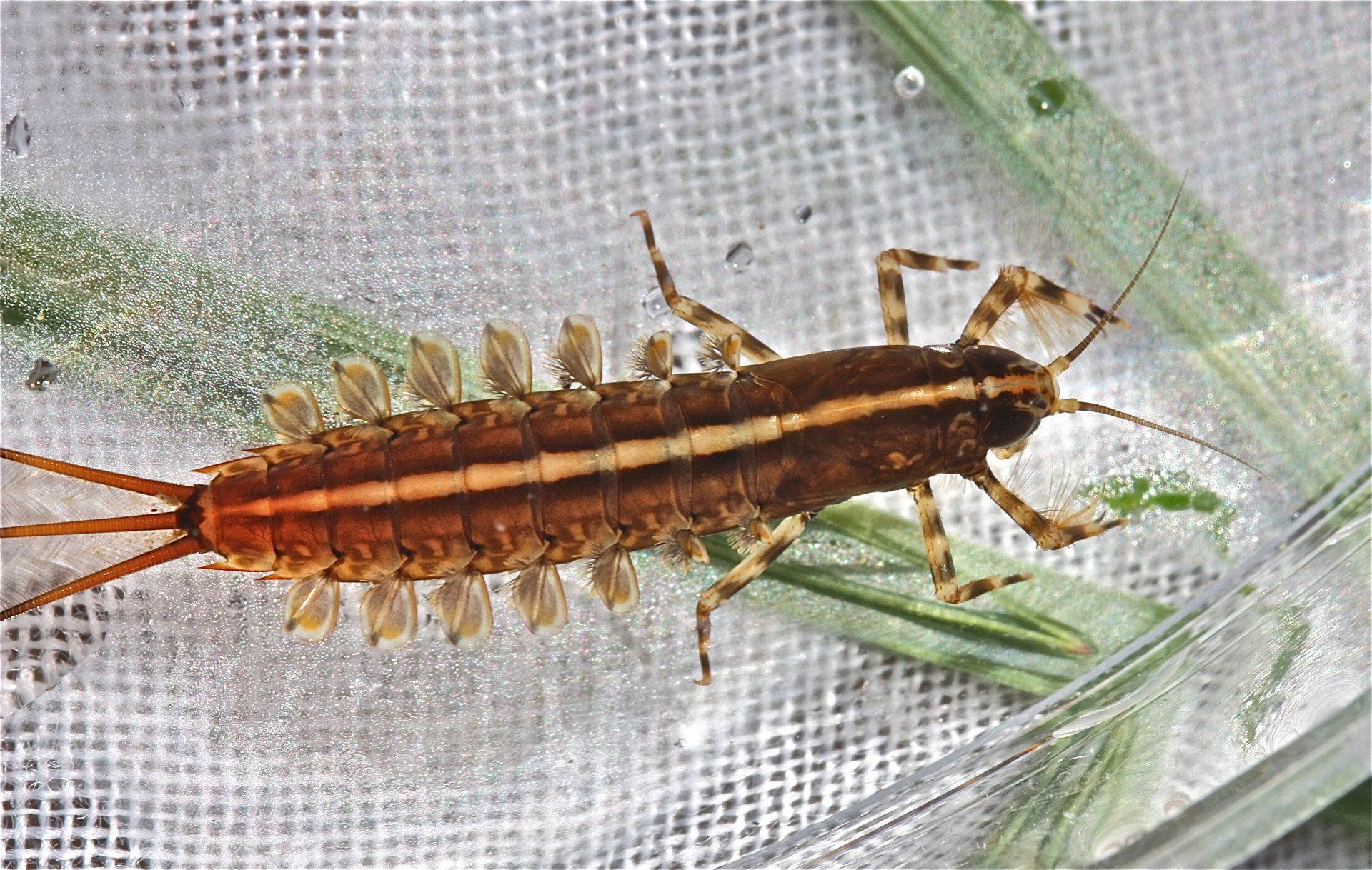
is a monogeneric of containing the single extant Isonychia Eaton, 1871, with approximately 37 distributed across the Holarctic and Oriental regions. The family is characterized by distinctive brush-like or hairy legs in the stage, giving rise to the "brush-legged mayflies." Species inhabit flowing water , with occurring on rocky substrates in streams and creeks. The family is among the earliest reported groups of Chinese and is relatively abundant at suitable sampling sites.
Pronunciation
How to pronounce Isonychiidae: /ˌaɪsoʊˈnɪkɪˌaɪdiː/
These audio files are automatically generated. While they are not always 100% accurate, they are a good starting point.
Identification
distinguished by brush-like or hairy legs, a trait reflected in the . -level identification relies on male , particularly penes shape (triangular in I. kiangsinensis versus cylindrical in I. guixiensis), body coloration patterns (pink/reddish in I. kiangsinensis versus in I. guixiensis and I. ignota), and transparency. possess relics on the forecoxae.
Images
Habitat
Flowing freshwater including streams, creeks, and rivers. occur on rocky substrates in water bodies. Specific collection sites include montane streams at approximately 880 m elevation, nature reserve waters, and forest farm locations.
Distribution
Widely distributed across the Holarctic and Oriental regions. In China: Jiangxi, Hainan, Zhejiang, Anhui, Fujian, and Guizhou provinces; also northeastern China. Additional records from Mongolia, Russia, and Western Europe. North distribution includes Vermont and other United States locations.
Life Cycle
development with aquatic nymphal (larval) stage and terrestrial winged stage. include , , and . Mature can be reared in captivity with creek water to obtain adults. dissected from female for study.
Behavior
attracted to light sources, facilitating collection with light traps. inhabit rocky substrates in flowing water.
Ecological Role
Relatively large and common aquatic in suitable ; among the earliest reported in Chinese faunal surveys. Abundant at almost all sampling sites where they occur.
Human Relevance
Used as indicators in freshwater biomonitoring due to sensitivity to water quality. Collected for taxonomic research and phylogenetic studies using molecular markers (COI, 16S).
Similar Taxa
- HeptageniidaeBoth belong to superfamily Heptagenioidea and share flattened body forms adapted to flowing water; distinguished by brush-like legs and relics on forecoxae in
- BaetidaeBoth are common in running waters; are larger and possess distinctive structures on forecoxae absent in
Sources and further reading
- BugGuide
- GBIF taxonomy match
- iNaturalist taxon
- NCBI Taxonomy
- Catalogue of Life
- Discovery of a new Isonychia species with distinctive characters from southwestern China, and preliminary exploration of its phylogenetic status (Ephemeroptera, Isonychiidae).
- A preliminary review of Isonychia Eaton, 1871 from Chinese mainland with a re-description of I.kiangsinensis Hsu, 1936 (Insecta, Ephemeroptera, Isonychiidae).